Battle Creek’s push for kindergarten readiness a model for all of Michigan
Battle Creek Public Schools says kindergarten readiness in their communities has increased 300%.
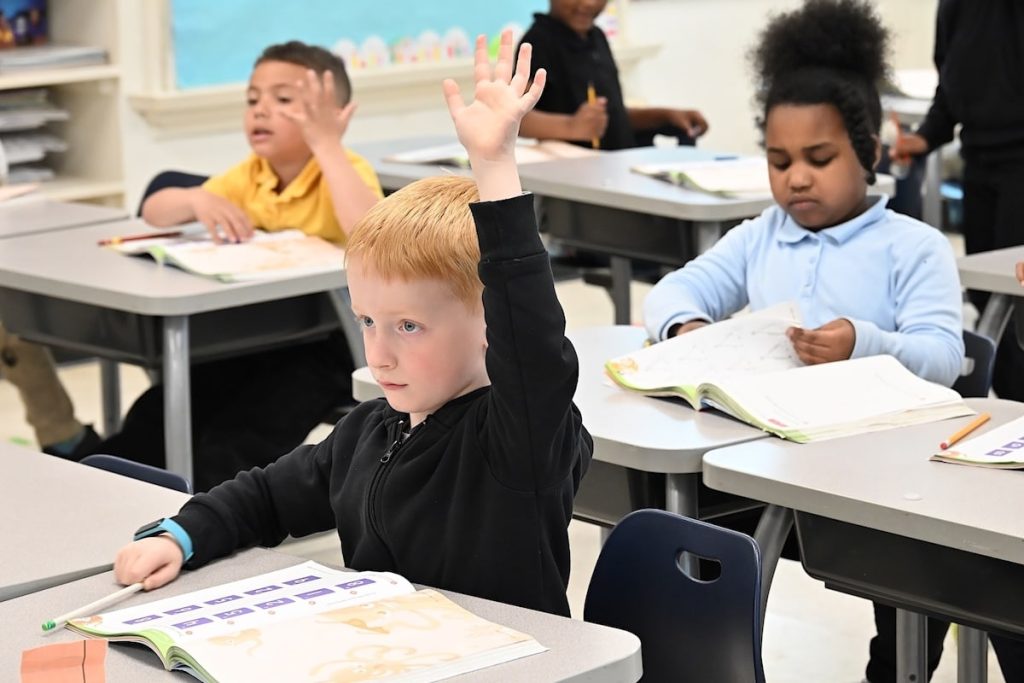
Battle Creek Public Schools (BCPS) reports significant growth in kindergarten readiness rates as district leaders and community partners expanded investments in early childhood education, family engagement, and kindergarten transition support.
District leaders describe that work as part of a broader effort to view kindergarten readiness not as something that begins on the first day of school, but as a long-term community investment that starts at birth and includes preschool access, summer bridge programming, dual language supports, and partnerships across the city.
According to district data and an independent evaluation commissioned by the W.K. Kellogg Foundation — a major supporter of the Early Childhood Education Collective of Calhoun County, a cross-sector partnership focused on strengthening early childhood outcomes — kindergarten readiness rates for children attending Battle Creek Public Schools increased by nearly 40 percentage points over the past decade, rising from roughly 15% to nearly 55%.
“What has made progress possible for Battle Creek is a willingness to invest early and align those efforts across departments and grade levels and to treat early childhood learning as a strategic priority, rather than just an isolated program,” says Tricha Grajek, director for early childhood education and also the director of Dudley Early Learning Center at BCPS.
Grajek says BCPS differs from some neighboring districts because the district directly operates its preschool programming rather than outsourcing portions of it to outside providers.
“Battle Creek Public keeps that in house, and so our teachers are paid better. They’re part of the union, they have better benefits, and it gives them more allegiance to the program,” she says.
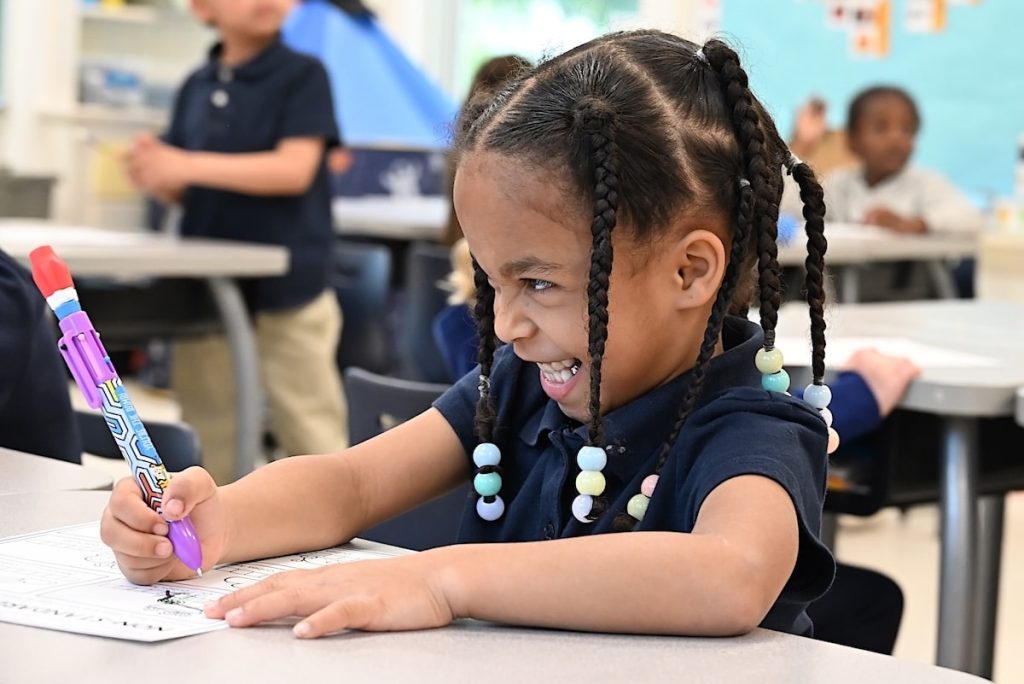
Building readiness before kindergarten begins
The district’s approach aligns with findings from a report by the Michigan Department of Lifelong Education Advancement and Potential (MiLEAP) which found that students entering kindergarten experience stronger academic and social and emotional outcomes when families are engaged, preschool programs and elementary schools coordinate with one another, and educators maintain consistent communication.
BCPS leaders say that continuity between preschool and elementary school has helped strengthen relationships with families and create smoother transitions into kindergarten. That transition work is most visible through the district’s Kindergarten Success Program (KSP), a free summer readiness initiative designed to bridge the gap between preschool and kindergarten.
The program focuses on literacy, math, social-emotional development, classroom routines, and family engagement. Students participate in play-based learning while becoming familiar with classroom expectations and school culture before their first day of kindergarten.
“We know learning loss is a problem,” Grajek says. “KSP is an intentional focus not only to make sure that our preschoolers don’t have learning loss over the summer, but also to help make a softer on-ramp to kindergarten.”
According to BCPS, the program has helped increase kindergarten readiness “by 300%” within the community.
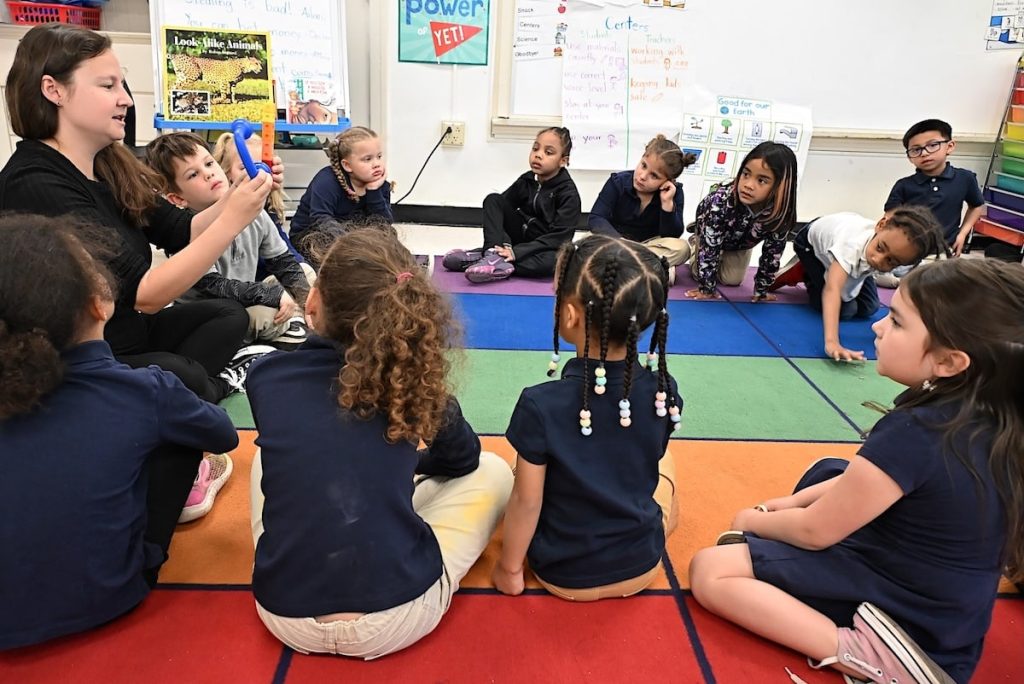
The district has also expanded early learning access through the Dudley Early Learning Center, which now serves children from six weeks old through preschool. Grajek says the expansion reflects growing recognition that brain development and school readiness begin long before kindergarten enrollment.
“We know that 90% of brain development happens before age five,” Grajek says. “Waiting until age five to start working with our kids is just too late.”
Michigan’s broader early childhood infrastructure has also played a role. The state’s Great Start Readiness Program (GSRP), has expanded significantly in recent years as Michigan moves toward universal pre-K access. State officials describe GSRP as the nation’s top-ranked state preschool program. Research from HighScope Educational Research Foundation has found that children participating in GSRP demonstrate lasting academic gains, including improved literacy outcomes years after preschool participation.
In Battle Creek, those investments appear to be producing measurable results beyond kindergarten entry. An evaluation highlighted by Second Wave Media found that BCPS students who participated in GSRP scored higher in reading and math by third grade compared with peers who did not attend preschool.
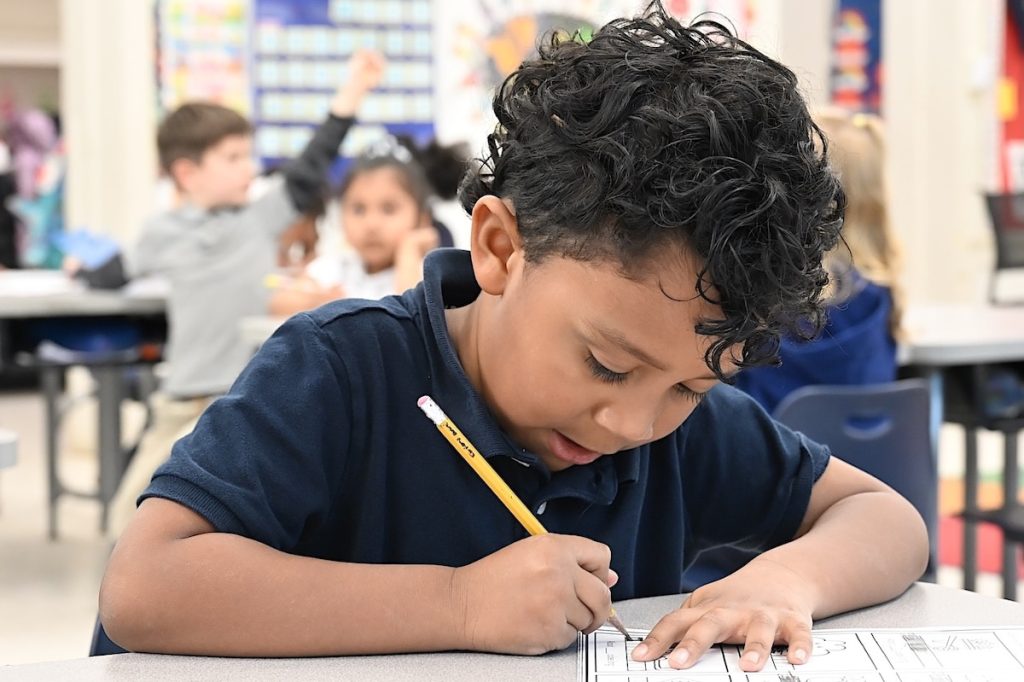
Supporting multilingual families
Community organizations have also become central to Battle Creek’s early childhood strategy.
One example is Catching the Dream, a Burmese dual-language preschool program serving multilingual families within the district. For many Burmese students entering American schools, language and cultural barriers can make the kindergarten transition especially difficult, says Lashi Mai, executive director of the preschool.
“Without dual language support, it is really difficult for children when they start kindergarten because there is a big language barrier,” Mai says. “Catching the Dream is here to help as a bridge between the family and the school.”
Teachers at the preschool use both Burmese and English instruction to help children understand classroom expectations, routines, and social norms before entering kindergarten.
“When they come to school, most of the teachers are using their home language, so that makes them feel confident,” Mai says.
The program also works closely with families, many of whom are still learning how the American school system operates. Mai says the preschool hosts monthly family breakfasts, parenting education sessions, English second language classes, and one-on-one coaching for parents.
“We help the family understand American school culture,” she says. “In Burma, mostly when we talk about school, it only focuses on academic performance. We help families understand that children also need social emotional skills and communication skills.”
She says students who participate in the program often enter kindergarten with stronger confidence and communication skills.
“What we see is confidence,” Mai says. “Whenever they go to school, they feel confident because they already know what will come in the classroom.”
A community-wide investment
That confidence, educators say, has become one of the clearest indicators of readiness.
Grajek says Battle Creek’s definition of kindergarten readiness has evolved over time to include not only literacy and math, but also emotional regulation, communication, independence, and the ability to function in a classroom community.
“We’re realizing readiness is about the whole child,” she says.
District leaders say the work remains ongoing. BCPS is currently conducting community listening tours across neighborhoods to gather feedback from families about what supports students need most and how schools can continue improving.
“We are not just assuming that because we have degrees and experience, we know what we’re doing,” Grajek says. “We’ve got to have relationships, and we’ve got to have ongoing curiosity and a willingness to admit that we’re not always going to get it right, but we’re always going to show up and try to do better.”
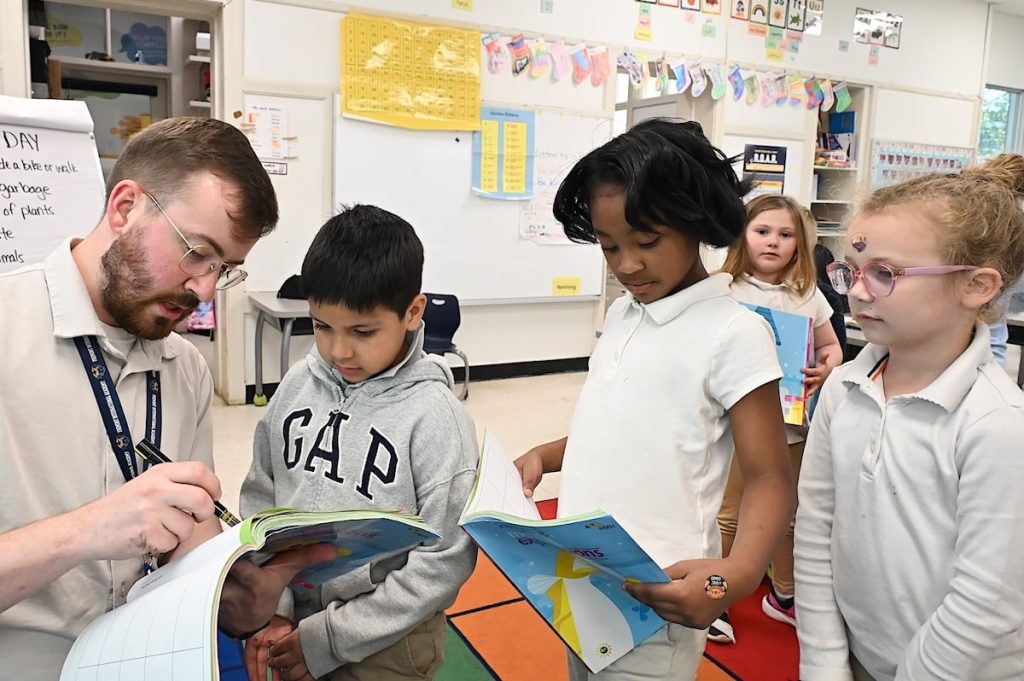
Photos by John Grap taken at Battle Creek Public Schools Fremont International Academy.
Early Education Matters shares how Michigan parents, child care providers, and early childhood educators are working together to create more early education opportunities for all little Michiganders. It is made possible with funding from the W.K. Kellogg Foundation.
Author

Related Articles
Three years of Bearcat Advantage: How Battle Creek’s free-college program is changing students’ plans
Three years after launching the Bearcat Advantage, Battle Creek Public Schools is seeing higher graduation rates and more students planning to attend four-year colleges, while the district works to make college more accessible.
Is PreK for All meeting its goals?
Roadmap co-author encouraged by how the state is expanding its Great Start Readiness Program into universal pre-K.
Michigan’s free universal pre-K program could serve 70,000 4-year-olds this school year
Launched in 2023, PreK for All now has no income qualifications.