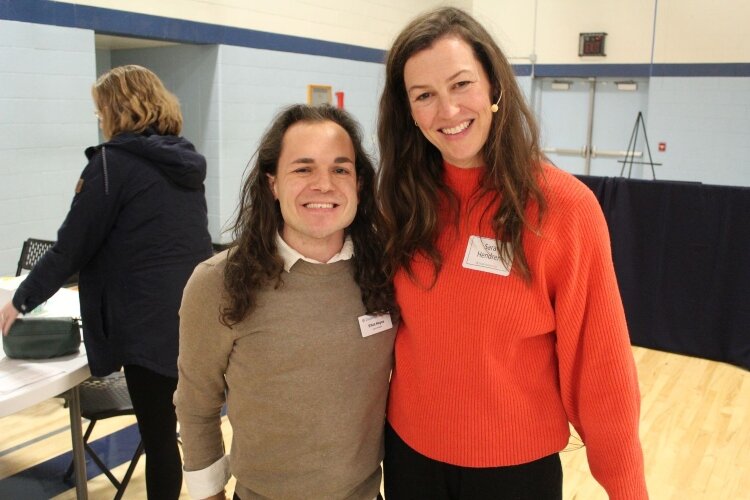
Sara Hendren, the author of “What Can A Body Do? How We Meet the Built World” advocates for the “most creative, joyful approach to making the world accessible.”
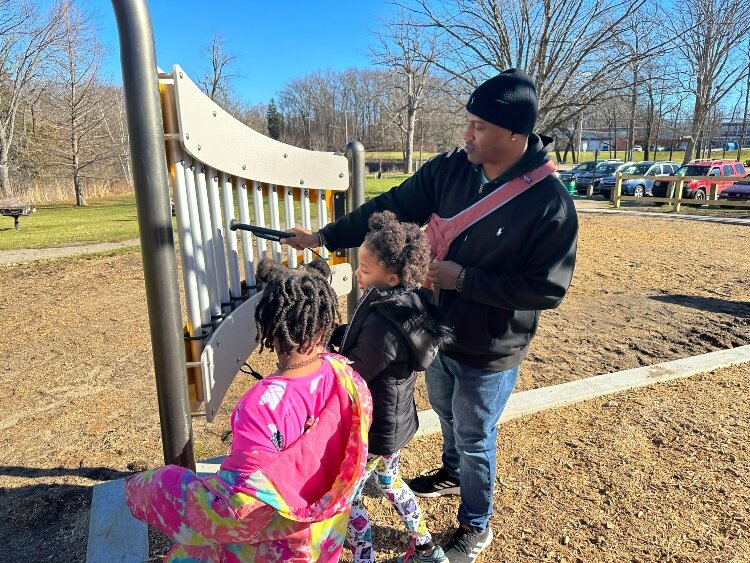
The playground at Milham Park has undergone a transformation that has created an inclusive environment for outdoor fun. It’s an example of a trend in making parks more accessible for people of all abilities.
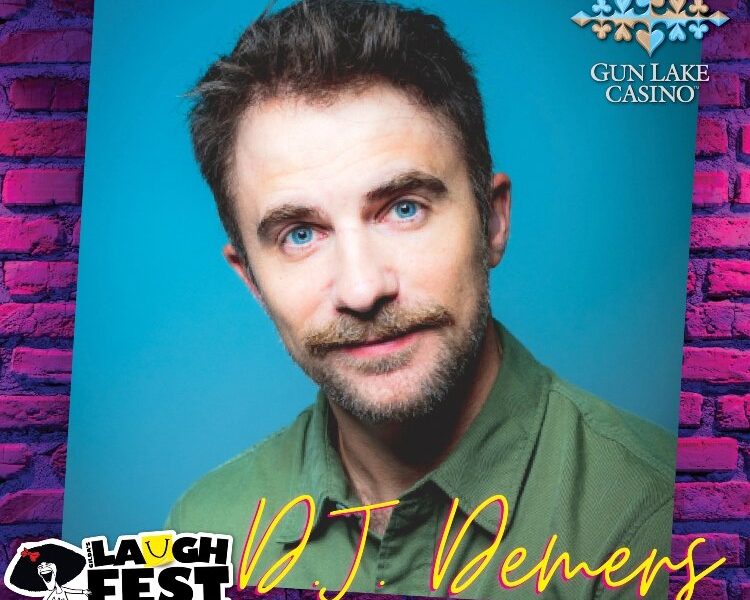
D.J. Demers, who is hearing impaired, brings his unique stand-up style to LaughFest on March 8 at the Special Olympics Michigan Unified Sports & Inclusion Center in Grand Rapids. His opening act will be local comedian Jon Cauchi, who is visually impaired.
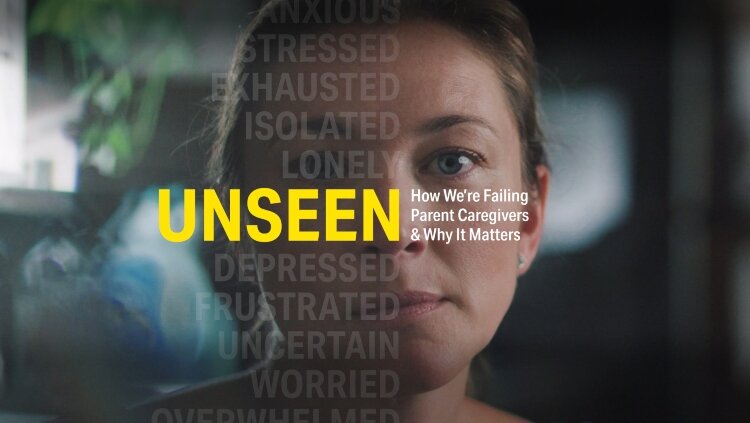
The public is invited to a Feb. 26 screening of a documentary that looks at parent caregivers for children and adults who are disabled or medically complex, and their lack of support from society.
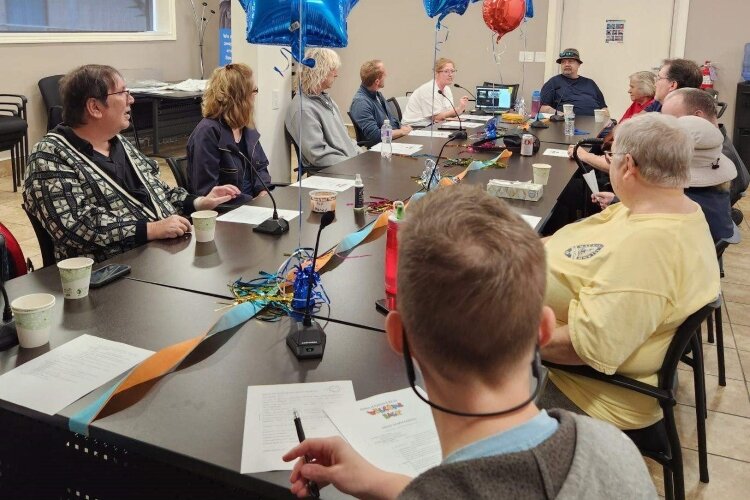
After going virtual during the pandemic, the brain injury support group hosted by Disability Network Southwest Michigan has shifted to a hybrid model as in-person meetings resume so more people can attend.
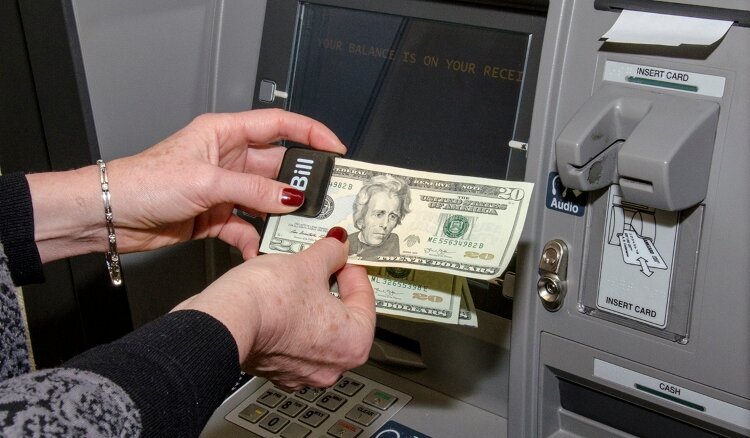
Michiganders who are blind or visually impaired can now apply to receive an audible currency reader at no cost through the Michigan Braille and Talking Book Library.
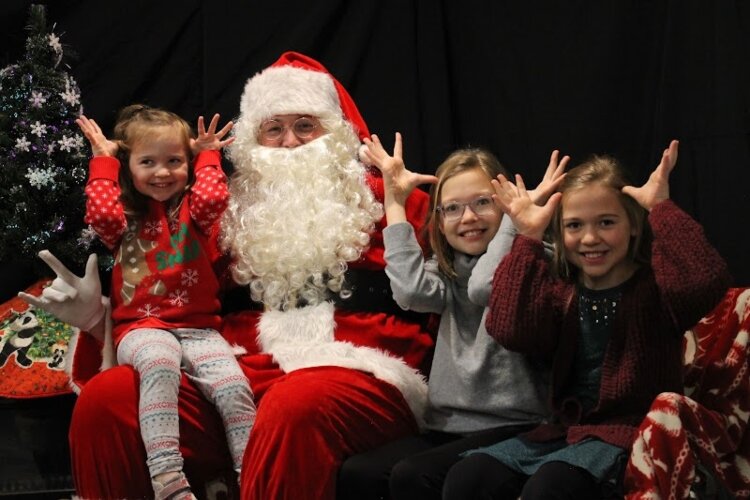
For more than a decade, DHHS has hosted Signing Santa for children who are deaf and hard of hearing so they can more fully experience the holiday tradition.
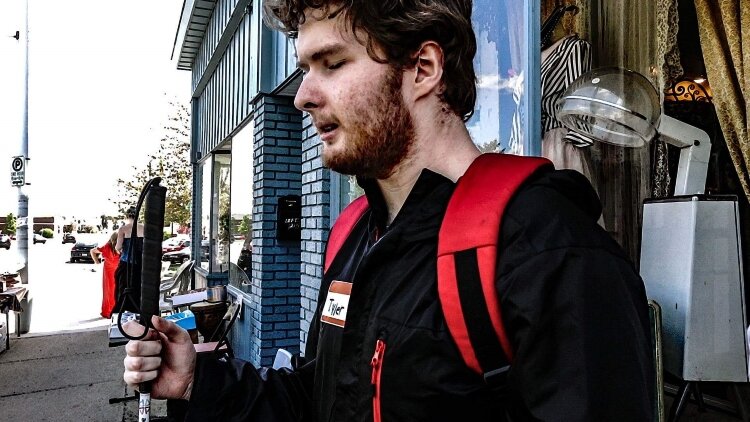
Grand Rapids singer Tyler Zahnke was one of 10 music students who are blind selected to attend the SongSight event with Scott MacIntyre, of “American Idol” fame.
According to the most recent study, by the Michigan Department of Civil Rights, 733,356 Michiganders — about 7.4% of the state population — identify as deaf, deaf-blind, or hard of hearing. In West Michigan, 8% of residents identify as members of that community.
Every day, people with disabilities find the support and help they need — quickly, conveniently, and free of charge — because of information and referral services.