State of Health

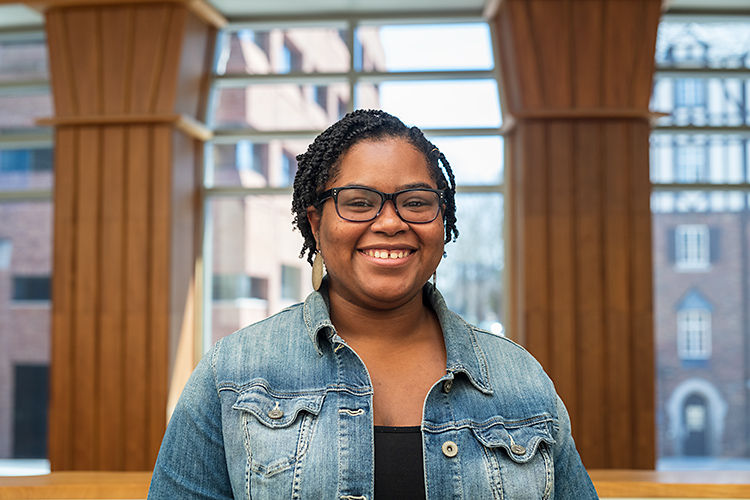
Mel Trombley.

For new moms, mood disorders are more common than you think – but here’s how we can help

20% to 25% of women are at risk for first-time onset of mental illness after they give birth. But proactive interventions, support systems for moms who suffer, and more open-minded discourse can make a difference.

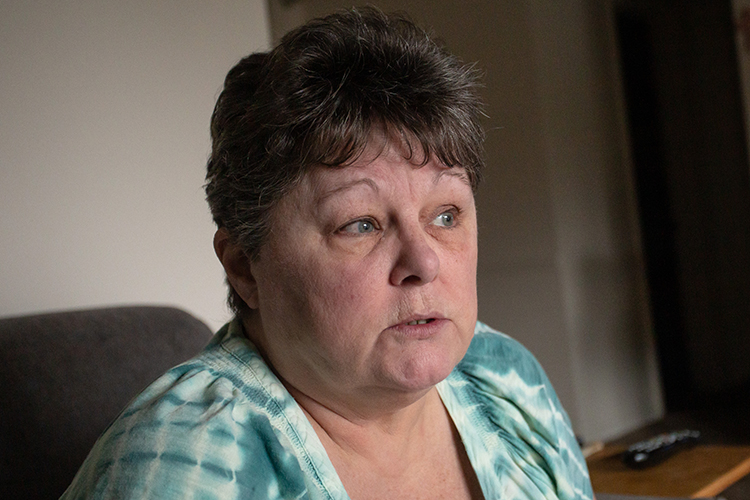
Christina Pavlak.
Michigan’s home visiting programs bring support to new parents

A wide range of perinatal home visiting programs bring professional support to Michigan's new moms and moms-to-be, helping to fill the void of community support and develop vital skills. 

Julie Ribaudo.
Infant mental health programs create better futures for little Michiganders and their parents

Most people don’t really think about infant mental health until they notice its absence – but the difference can be stark to the observer and life-changing for the infant.

Members of Cherry Health's integrated care team confer. The team includes nurses, medical assistants, pharmacists, and physicians.
Michigan providers pursue holistic model for more affordable and effective healthcare

Integrated care involves not just physical co-location of services that are often isolated from one another, but also broader community-based solutions that promote good health.

Audrey Smith with a webcam used to connect child psychiatrists to students.
How technology is bridging gaps between healthcare and underserved populations

Technology is not the solution in and of itself for the many systemic factors that create health disparities in Michigan. But it does have wide-ranging potential to provide support for those who suffer from those disparities.

Sade Richardson.
Why Michigan needs a more diverse healthcare workforce – and what we can do about it

The healthcare workforce doesn't represent the diversity of those it serves, and that results in poor health outcomes for patients of color. But several initiatives are working to develop more diverse health professionals.

Lou Sobleskey.
Many Michigan caregivers need care themselves – but they aren’t getting it

The importance of a support network when caring for a loved one can't be understated. That's why a number of Michigan organizations are working to better understand what caregivers need and make it more accessible to them.

Here’s how we can address rural Michigan’s alarmingly high infant mortality and poor maternal health

Substance abuse, lack of access to healthy food, and dwindling birthing hospitals and OB-GYNs all contribute to poor health outcomes for mothers and infants. These organizations and individuals are working to change that.

Urban Michigan initiatives recognize racism as major factor in infant and maternal mortality

Statewide, black babies are three times more likely to die in their first year of life than white babies. But those statistics are even more alarming in many of Michigan's urban centers.

Michigan Health Council's Mini Medical School.
Health literacy initiatives help Michiganders and their doctors speak each other’s language

Although almost everyone has experienced not understanding their doctor, health literacy issues may be especially pronounced for refugees, youth, and disadvantaged communities.

Our Sponsors

Gilmore Foundation

Our Media Partners

Battle Creek Community Foundation
BINDA Foundation
Southwest Journalism Media Collaborative
Southwest Michigan First
Milestone Senior Services
Consumers Energy

Don't miss out!

Everything Southwest Michigan, in your inbox every week.

Close the CTA

Already a subscriber? Enter your email to hide this popup in the future.