Rx Kids expansion to 60 Michigan communities is balancing family budgets and birthing healthier babies
The Michigan program is the largest unconditional cash transfer program for expectant parents in the country.
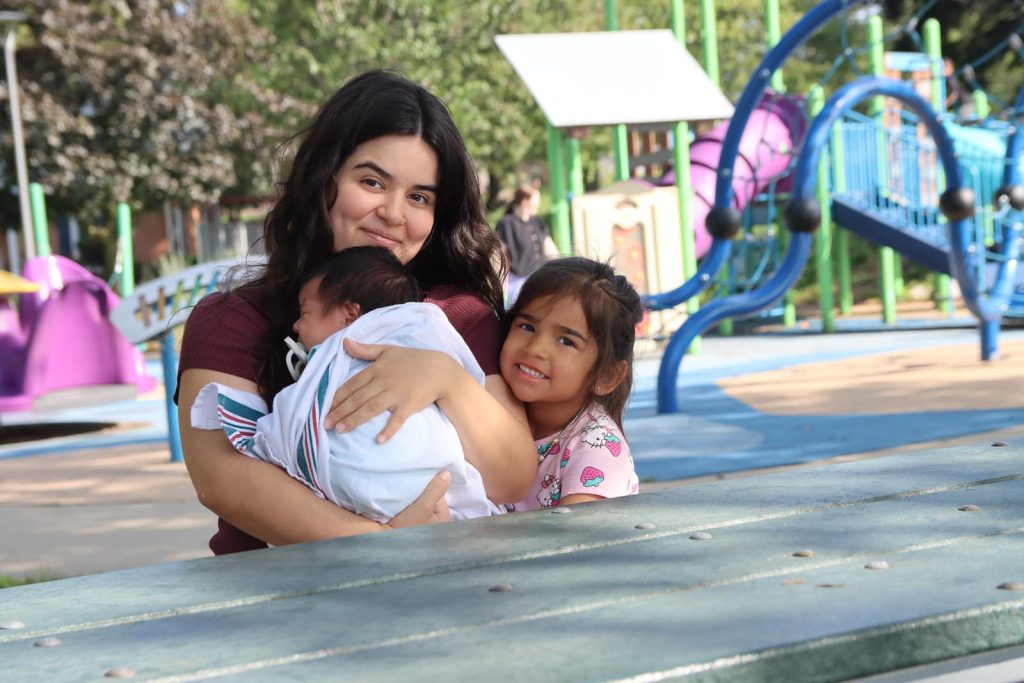
When Michigan launched Rx Kids in Flint in 2024, the idea was simple: trust parents. Instead of requiring families to navigate complicated applications, income thresholds or spending restrictions, the nation’s first community-wide prenatal and infant cash prescription program gives eligible families $1,500 during pregnancy and $500 each month throughout a baby’s first year, allowing parents to decide what their families need most.
Two years later, the program has expanded from a single city to more than 60 Michigan communities, making it the largest unconditional cash transfer programs for expectant parents in the country.
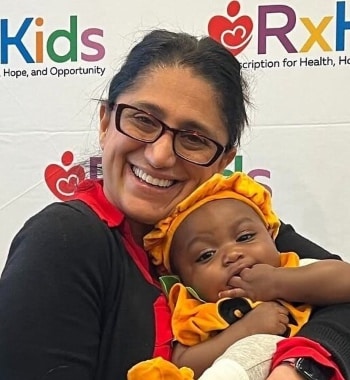
“We are now in 60 Michigan communities, and two out of state,” says Dr. Mona Hanna, pediatrician, associate dean of public health at Michigan State University College of Human Medicine, and director of Rx Kids. “The biggest lesson has been the enthusiasm for this program, and that it is something families are demanding.”
As new communities continue launching Rx Kids, Hanna hopes the conversation shifts beyond whether direct cash assistance works and toward how broadly it can be implemented.
“I hope we can continue to build on our momentum and help more kids in communities all over,” she says. “I hope we get to a point where there’s conversations at the national level of doing this for every single baby.”
A growing body of evidence suggests that the investment may be doing far more than easing financial stress.
A recent study found that Flint’s Rx Kids program was associated with significant reductions in preterm births, low birthweight babies, neonatal intensive care unit admissions and smoking during pregnancy, while increasing adequate prenatal care.
For Hanna, those findings reinforce a philosophy that has guided the program since its inception — and one of the biggest surprises has been the demand from communities eager to participate.
“We built Rx Kids from the very beginning to be simple so that it could be scalable,” Hanna says. “People are poor during this time. They don’t need complicated bureaucratic, paternalistic ways to support them. They just need to not be poor.”
Treating poverty as a public health issue
Pregnancy and infancy are among the most financially vulnerable periods in a family’s life. Researchers estimate that a baby’s first year can add roughly $20,000 in expenses while many parents simultaneously experience reduced income because of unpaid leave or fewer work hours.
Rather than creating another targeted assistance program, Rx Kids approaches poverty itself as a health condition worth addressing.
“The science is showing that this prescription for health, hope and opportunity is working at scale,” Hanna says. “It’s something we should be paying attention to and doing for even more families.”
The study compared birth outcomes in Flint before and after the program launched with outcomes in similar Michigan communities. Researchers found Rx Kids was associated with a 2.7 percentage-point reduction in preterm births and a 4.2 percentage-point reduction in low birthweight births relative to matched comparison cities. The program was also associated with fewer neonatal intensive care unit (NICU) admissions, less smoking during pregnancy and improved prenatal care utilization.
Hanna says the results are especially notable because those outcomes have historically proven difficult to improve.
“For decades, researchers have been trying to decrease prematurity or decrease NICU admissions,” she says. “Here is one simple intervention being delivered at a population level that’s moving the needle.”
Where the money goes
Critics of direct cash assistance programs have often questioned whether recipients spend the money responsibly. Data collected from 2,288 participant surveys across Rx Kids communities tells a different story. Families overwhelmingly reported using their payments for essential needs: 74% purchased baby supplies such as diapers, wipes and formula, 59% spent money on food, 37% on housing costs and 35% on utilities. Researchers found virtually no spending on luxury or discretionary items.
When mothers were asked to identify specific purchases, diapers and changing supplies topped the list, followed by bottles, clothing, formula, furniture and car seats.
Participant testimonials echoed those findings. One Flint mother said the payments helped her keep utilities connected while purchasing diapers and other necessities. Another parent from the Upper Peninsula said the funds covered transportation to medical appointments, groceries and baby essentials while relieving significant financial stress.
“Families report using their Rx Kids support to cover a wide range of essential expenses,” the report concludes, noting that flexible cash assistance helps prevent crises during one of the most financially vulnerable periods of life.
One piece of a larger system
Danielle Atkinson, executive director of Mothering Justice, says the program’s success reflects something advocates have argued for years: supporting mothers directly improves outcomes for children.
“We believe that moms are the intervention,” Atkinson says. “If we are investing in moms and investing in their autonomy, then we know not only will they do well, their children will do well, their communities will do well, and society as a whole.”
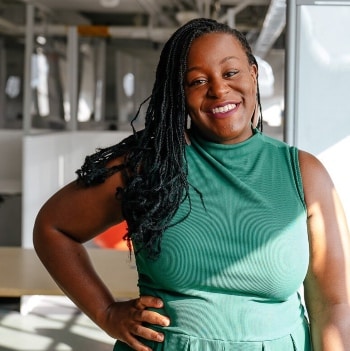
Still, Atkinson cautions against viewing Rx Kids as a standalone solution.
“We really need to see this as part of the care infrastructure,” she says. “Rx Kids by itself is not enough. It’s part of a system of interventions, including paid leave, universal childcare, elder care, housing policies and creating systems that help families navigate all of those supports.”
She says direct cash assistance gives parents flexibility, something powerful that many traditional assistance programs cannot.
“When you have financial freedom, you’re able to take a breath,” Atkinson says. “You’re able to think about your future instead of wondering if your car is going to break down today.”
Atkinson emphasizes that cash flexibility may mean paying for a birth doula, childcare, replacing a broken appliance or taking time off to care for a sick child — decisions that differ from family to family but all contribute to stability. She says that the evidence points in one direction.
“We need to go beyond pilots,” Atkinson says. “We need to be brave. We need to stay focused on the data and the calls from caregivers and mothers because we can see really great outcomes for everyone.”
Photos by Tommy Allen.
Photo of Dr. Mona Hanna courtesy subject.
Danielle Atkinson photo by Nick Hagen.
Early Education Matters shares how Michigan parents, childcare providers, and early childhood educators are working together to create more early education opportunities for all little Michiganders. It is made possible with funding from the W.K. Kellogg Foundation.
Author

Related Articles
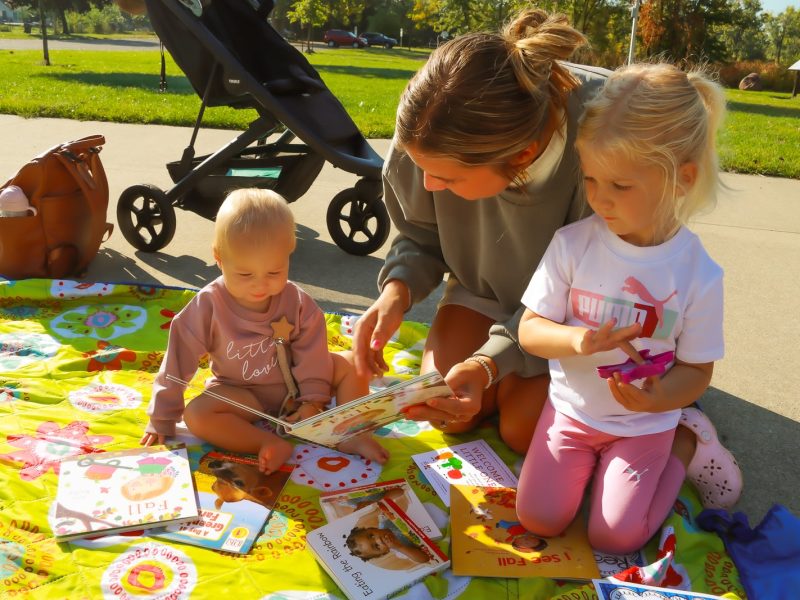
Free Wonderschool platform will help Michigan families find childcare faster
Scheduled to launch early 2027, the platform will connect parents to available childcare and preschool spaces with one application.
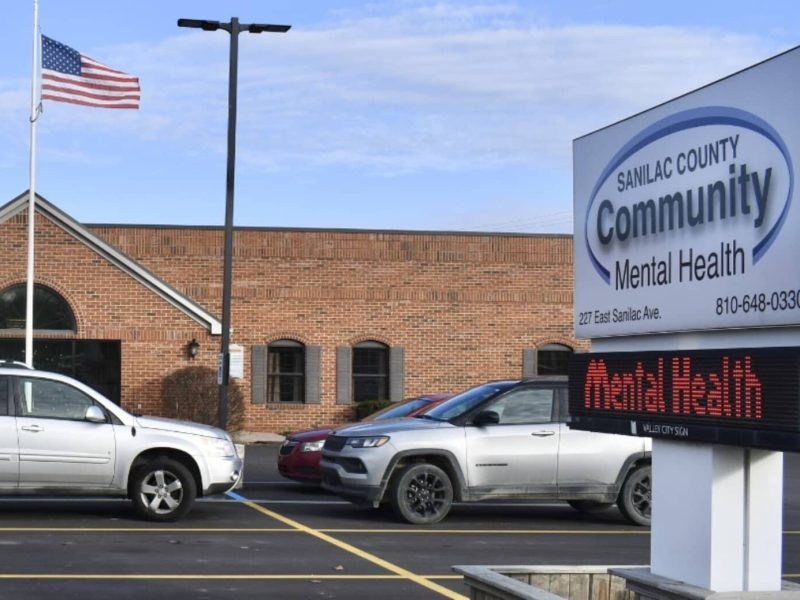
Relationships with law enforcement and community organizations central to rural mental health services
For Sanilac County Community Health, tech supports help but collaborations make the difference.
CMHA: Telling the whole story about Michigan’s public mental health system
The Community Mental Health Association of Michigan gives a voice to the issues and the people experiencing them.