Certified Community Behavioral Health Clinics meeting Michiganders’ needs for integrated care
CCBHCs serve Michiganders no matter what their income or insurance coverage.
Five years ago, the Michigan Department of Health and Human Services (MDHHS) launched 13 Certified Community Behavioral Health Clinics (CCBHCs). Today, 35 CCBHCs enable local community mental health (CMH) agencies to provide whole-person care by integrating physical health with a comprehensive range of mental health and substance use disorder services, serving Michiganders no matter what their income or insurance coverage.
CCBHCs are required to provide nine core services: Crisis mental health services; screening, assessment, and diagnosis; patient-centered treatment planning; outpatient mental health and substance use services; outpatient primary care screening and monitoring; targeted case management; psychiatric rehabilitation services; peer support, counselor services, and family supports; and intensive, community-based mental health care for members of the armed forces and veterans.

With the state facing a $523 million estimated shortfall for fiscal year 2028 and more than 25% of CCBHC funding designated as a “one-time” appropriation in that budget, some fear that funding cuts may negatively impact an initiative that benefited approximately 100,000 MIchiganders in 2025 alone.
The Center for Health Research and Transformation (CHRT) completed an evaluation of CCBHCs in June 2025. MI Mental Health spoke with Jonathan Tsao, CHRT senior project manager, about what they found.
Q. CCBHCs integrate care for mental health with primary care to reduce barriers to accessing care. How does that benefit patients?
A. There is a direct, significant impact specifically on healthcare integration. That is by design. For a CMH to become a CCBHC, one of the requirements is they need to have the ability to provide nine designated core services. By having the CMHs provide these services, it really does help bridge the gap between behavioral health care and primary preventative care, as well as medical care, for instance, crisis response.
We saw through our report how each core service increased for these clinics. Screenings, in general, increased 200%. Same thing with substance use services. Crisis services increased almost three times. Having improved access to these screenings and interventions really increased not just for behavioral health conditions but for health-related conditions like diabetes, substance use, and improved access to interventions. CCBHCs have really allowed the population to connect and access preventative care earlier on.
A lot of the clinics that became CCBHCs have been focused on health integration for a while, too. It wasn’t like they were starting from scratch. Having them become a CCBHC helped them further build up the infrastructure for health integration in three ways. One, by increasing the standard to fulfill those core service requirements. Second — a big one — they remove specific barriers to care, namely insurance-related barriers and requirements that prevent the population with mild-to-moderate conditions from accessing these integrated services. The third one, which also helped with the health integration piece, was that the funding structure for the CCBHCs allowed for more flexibility in how they can utilize those funds to help build the resources to meet their requirements that contributed to health integration. All of that contributed to improving integrated care.
On the patient side, from our evaluation done in focus groups, those who received CCBHC services did notice how the care has improved due to the ability to receive different services in one visit in one clinic and remove the need for them to navigate different services through separate systems. They felt that really contributed to improving their care.
Starting from year one, CCBHCs have connected more individuals to crisis services, substance use services, and targeted case management. We also noticed an increase in people being connected to primary care, which is an immediate, positive impact. We also observed from the patient focus groups that there were a lot of positive outcomes in terms of social/emotional outcomes — being able to connect to services and support.
Q. Community mental health agencies (CMHs) in rural areas, especially Northern Michigan, have had issues with becoming CCBHCs. Based on your findings, why is it important to adapt requirements so rural areas can have more CCBHCs to serve their populations?
A. Among the 13 original CCBHCs, maybe two or three of them were from rural areas. Their biggest challenges were having fewer geographic resources, infrastructure gaps, and no local hospitals or emergency rooms. From the client side, this forces residents who need care to travel long distances or rely on out-of-county emergency facilities. On the organizational side, workforce constraints and staffing shortages are more pronounced. For the CCBHCs, it becomes even harder because some of the specific staffing requirements, like credentials. From what we heard from some of the rural CCBHCs, that was a huge challenge.
They’re hoping that MDHHS can provide more flexibility in some of those requirements with staffing. Some of the examples discussed were for crisis teams and child-specific crisis teams.
Q. Based on CHRT’s findings, have CCBHCs been a good thing for Michigan?
A. Overall, we definitely feel CCBHCs are a good thing for Michigan in increasing access to behavioral health services. With our numbers across the board, we saw all the core services increase not just in the number of services provided but the number of individuals that they reached — due to removing barriers to access related to insurance, related to treating people with mild to moderate conditions instead of having to wait until you’re higher in the severity score before you finally qualify to receive services. On the patient side, that is huge.
On the organizational side, there’s the flexible funding structure and ability to build up the resources needed to carry out the integrated services. Some of the requirements are harder for rural communities and other community specific needs that might not align. Discussions with these CCBHCs could find out how to allow for some flexibility where they can still meet the standards of providing those services but be able to address some of those barriers to care.
One of the other feedbacks that we’ve gotten from CCBHCs was the heavy administrative burden — on the back end, there’s a transition process and administrative tasks like the billing structure. Some CCBHCs told us it almost required them to hire more specialized billing staff. They felt like that was a huge barrier initially. In my mind, this one can be addressed over time. The MDHHS has constant communication with these CCBHCs — they give them a platform to share some of these challenges, and they do find ways to try to improve and reduce the administrative burden. But I would say that those are the two biggest things that we’re aware of in terms of being able to sustain and improve sustainability.
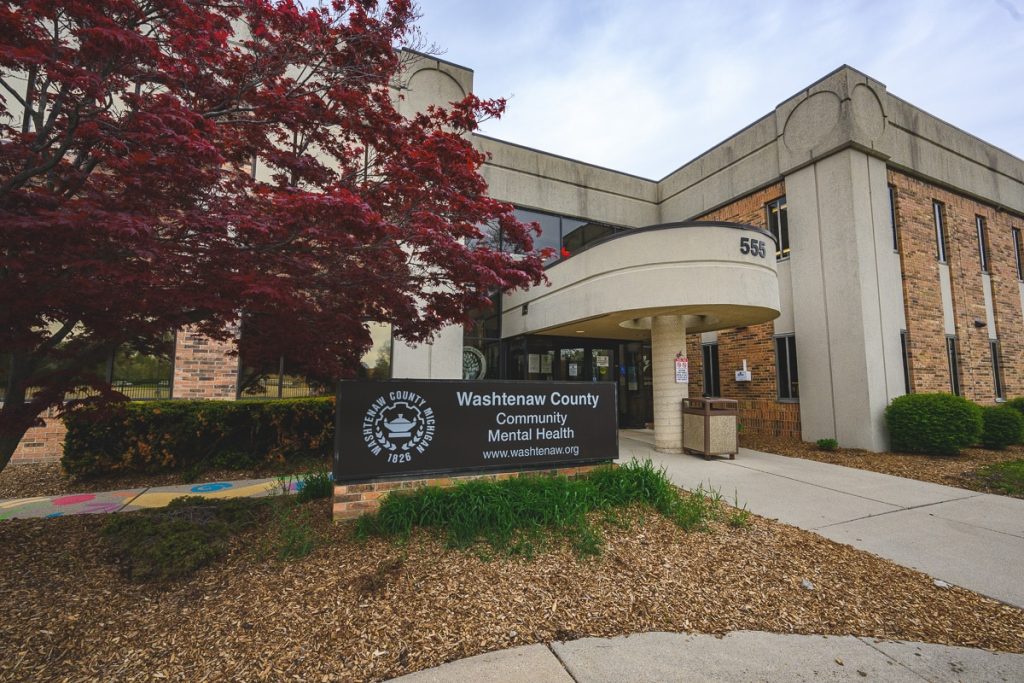
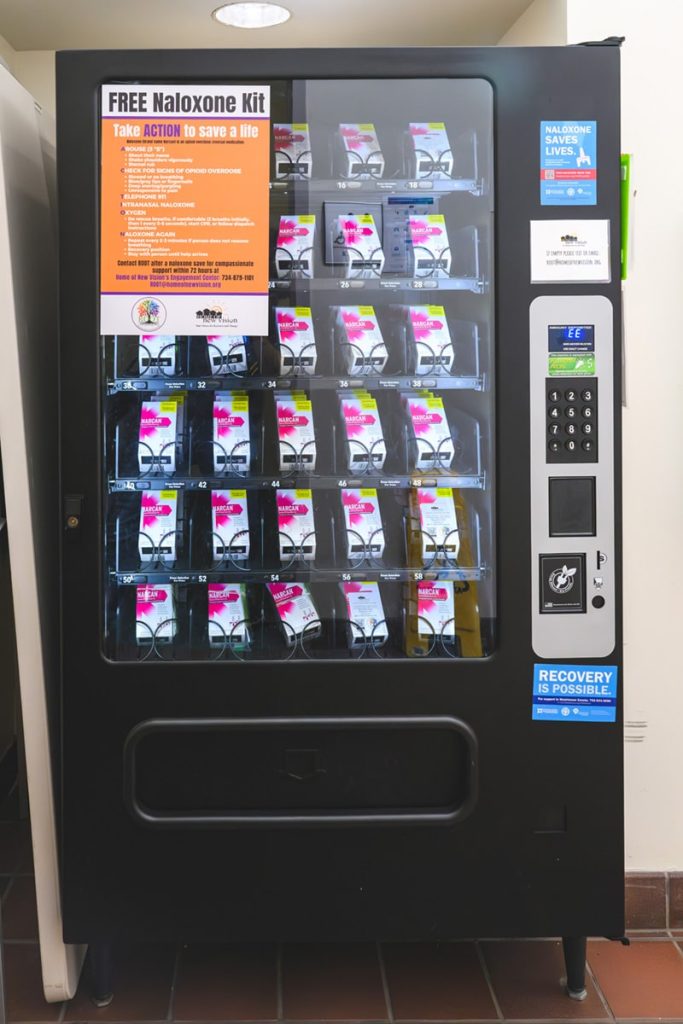
Washtenaw County Community Mental Health photos by Doug Coombe.
Other photos courtesy CHRT.
The MI Mental Health series highlights the opportunities that Michigan’s children, teens and adults of all ages have to find the mental health help they need, when and where they need it. It is made possible with funding from the Community Mental Health Association of Michigan, Center for Health and Research Transformation, Lifeways, OnPoint, Sanilac County CMH, Summit Pointe, Michigan Health and Hospital Association, Washtenaw CMH, and Public Safety Preservation Millage.
Related Articles
How are Michigan’s families doing?
Rising costs, child care shortages and barriers to health care are straining Michigan families. What could help?