
Partner Partner Content Pivotal pivots to meet the needs of individuals with mental health issues in St. Joseph County
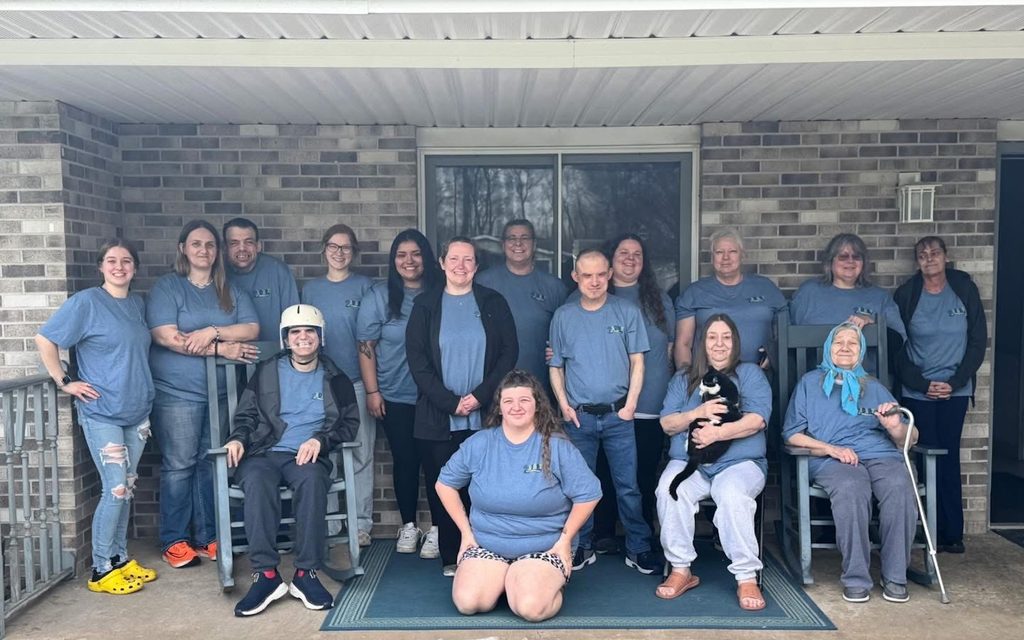
What happens if those you serve can’t get to you? For the community behavioral clinic Pivotal it means going to them with visits to those in homes designed for adult foster care who find it difficult to get into the office.
This is the second in a series of stories presented in partnership with Pivotal, a Certified Community Behavioral Health Clinic (CCBHC) based in Centreville.
Prabhjot Grewal literally meets patients living in St. Joseph County where they are to provide much-needed mental health services.
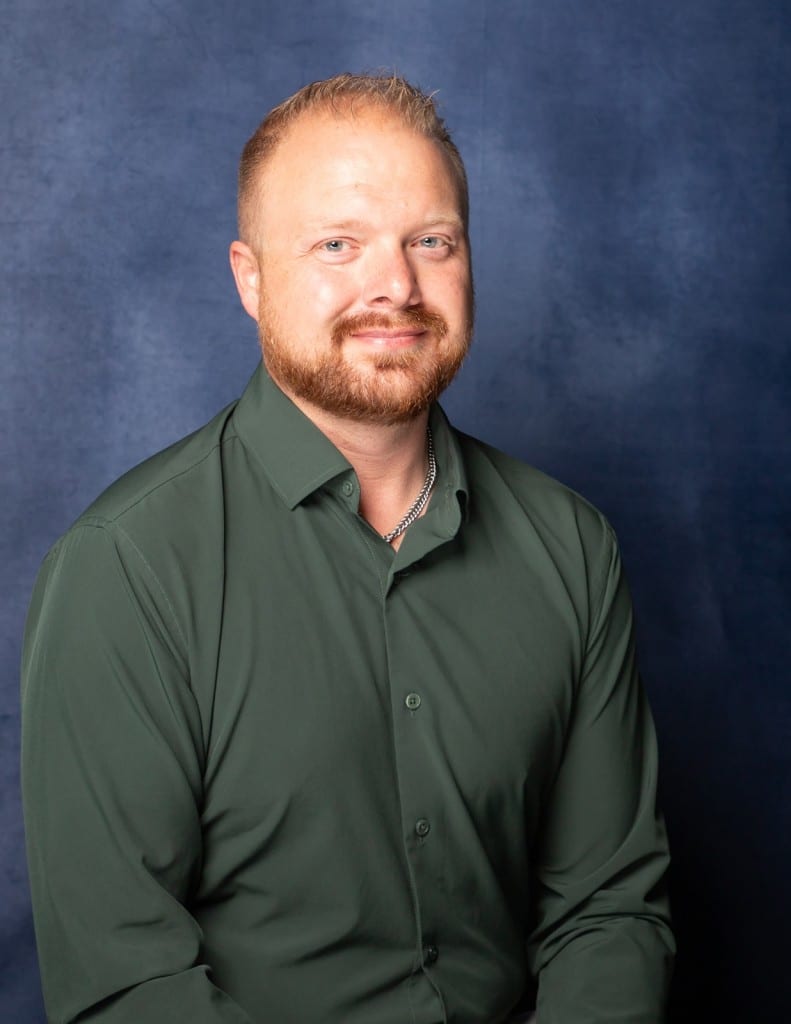
The concept of visits to individuals living in homes designed for adult foster care or community living support began more than five years ago at Pivotal under its former CEO, says Cameron Bullock, the current CEO, who accepted the post in 2022. Pivotal is a Certified Community Behavioral Health Clinic (CCBHC) based in Centreville.
“What makes this home visit model unique is that it brings back the personal way doctors used to practice medicine before COVID,” Bullock says.
While the home visiting model may not be a well-kept secret, it’s “not something that we’ve been going out and shouting from the rooftops,” Bullock says.
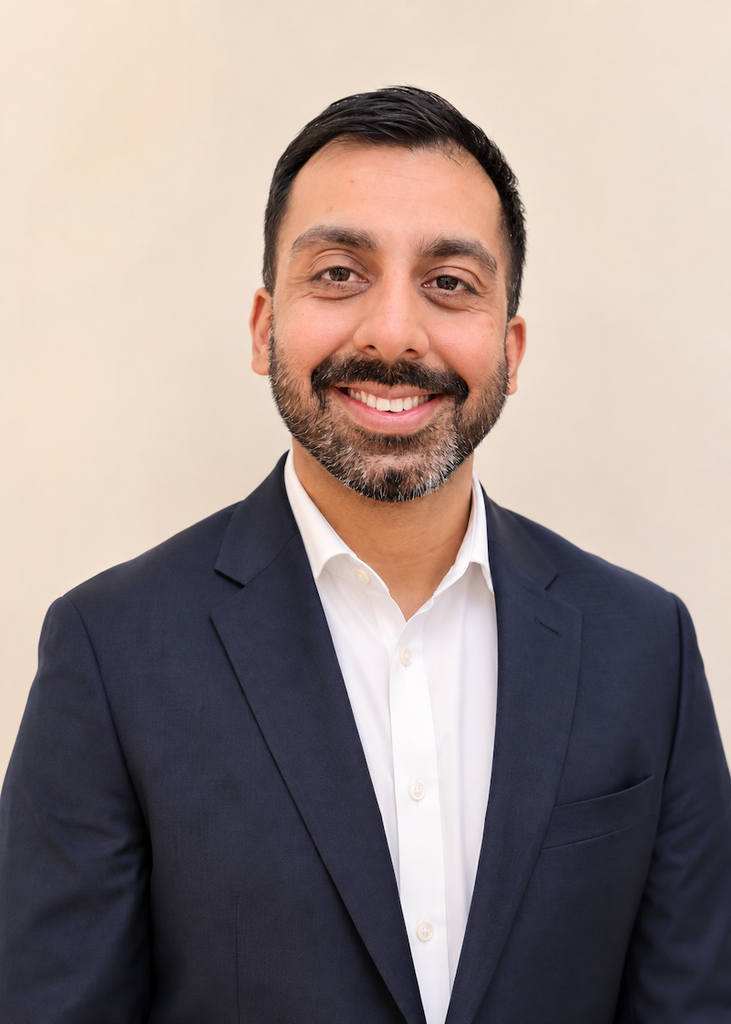
The way it works is that every three months, Grewal sets aside Wednesdays specifically for his home visits for a full month. He sees an average of 15 people each day, the majority of whom are between ages 35 and 50. Their diagnoses include intellectual disabilities, bipolar disorder, depression, anxiety, and autism.
About 80 percent of those he sees have “significant” issues with behavior and are violent toward staff, themselves, and others, and are on medication to control the violent outbursts.
“Most of these patients I deal with have one or more medical comorbidities too,” he says. “Some are nonverbal or have cognitive and developmental deficits. It’s hard for staff at these homes to bring them into my office. It helps me to see them in their own environment so I can judge how they’re doing.”
During these appointments, Grewal conducts a routine assessment and manages medication prescriptions. He also coordinates higher levels of care with Pivotal and the individual’s primary care physician as needed for patients. He also determines the need for specialty appointments.
Grewal credits staff at these homes with being the best sources of information about his patients.
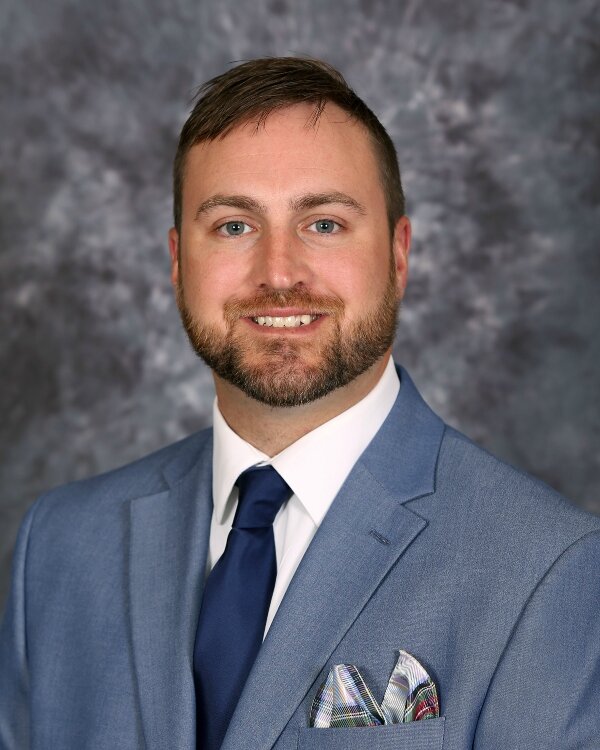
David Lowe, Associate Director for the Community Mental Health Association of Michigan (CMHAM), says, “Pivotal has done a great job to clearly identify a need and work towards solutions. It is a unique program, and I’m not hearing about too many instances where this model is necessarily being replicated.”
But CMHA member organizations, which includes Pivotal, are finding different ways to address and support the “challenging and diverse” needs in home settings. Lowe says these efforts include physical therapy, integrated nursing services, and mobile crisis response to stabilize and support individuals in crisis.
“CMHA is awfully proud of our members that do look to innovate to meet a community’s needs. Without the wonderful work they do, things would be far worse,” Lowe says. “We’re going to continue to see our members in the very near future looking into innovative ways to meet community needs determined by the community,” Lowe says.
An intimidation-free approach
Grewal, who has been with Pivotal since 2022, developed the home visit initiative along with Bullock’s predecessor. In August of that year, they had a plan that was implemented in March 2023.
“We had issues with patients not coming in to us, which caused a lapse in their care. We wanted to give them the care they deserve,” he says. “I don’t know of any other place that’s doing this or has plans to do it.”
The biggest challenge was finding which days would allow Grewal to meet with the majority of patients. The home visit schedule works around his Monday through Friday schedule, seeing patients in his office at Pivotal.
“It’s extra work, but I love doing it because I have great relationships with these patients,” Grewal says. “They tell me that I’m like a member of their family and they’ll say, ‘I miss you.'” Grewal says.
Based on feedback he receives, Bullock says the program is working.
“I can tell you that we’re ensuring that clients are being seen,” he says. “There have been fewer hospitalizations and the specialized residential homes are reporting satisfaction because they don’t have to transport or find transportation for their residents.”
The majority of these residents are already dealing with a significant amount of challenges, Grewal says.
“Sometimes I feel like people discard these types of individuals who deal with these issues. They have the same requirements and needs and care as anyone else,” he says.
The stigma surrounding the patients who Grewal and other mental health providers see is very real, Lowe says.
“I think the general public needs to continuously be made aware of those diverse challenges and the needs these individuals deal with every day,” he says. “This is something we have to work at. I think sometimes there’s a lack of understanding, but when we’re able as a society to understand and have those discussions about mental health and well-being and those that struggle, we find a lot of compassion in the community.”
Physically meeting them where they are not only gives Grewal more access; it also is an example of that compassion, he says.
“It means not having to spend time in a waiting room or enduring multiple car rides to see different providers. It’s better for them if they’re able to see just one provider instead of having their care spread between multiple providers,” he says. “I’ve been working with these homes for a long time. If I see a deficit or something that needs to be changed, that’s also a benefit.”
This familiarity all contributes to a patient’s comfort level, Bullock says.
“Sometimes pulling people out of an environment they’re comfortable in makes them anxious. This allows us to interact with them in their own settings versus pulling them out.”
St. Joseph County has a finite number of beds in specialized residential settings that provide 24/7 care for individuals diagnosed with severe or persistent mental health conditions, Bullock says.
“There are not currently any plans to expand to those homes at this point,” he says.
But the Pivotal model could be replicated by other CMHs, Grewal says. He says he’s not sure why this isn’t happening.
It’s not a career trajectory that he anticipated. Now that it’s part of his job, he says he appreciates it. “I just like that every patient has a different story. It’s hard to get bored.”
See our previous coverage of Pivitol here.
St. Joseph County law enforcement, mental health professionals team up to divert people from jail
Author

Related Articles
It was a bad Election Day for MAHA, and Zen Honeycutt wasn’t the least bit surprised.
Zen Honeycutt, a leader within the Make America Healthy Again movement, was prepared for Tuesday’s outcome and is open to working with Democrats on policy priorities.

Older adults suffer when stigma keeps them from mental health care
Generational stigma and diagnosing mental health issues as part of aging rob older adults of the help they need.
Certified Community Behavioral Health Clinics meeting Michiganders’ needs for integrated care
CCBHCs serve Michiganders no matter what their income or insurance coverage.