
Through Our City: A comic about the Kalamazoo River Valley Trail
Because there is more than one way to tell a story Southwest Michigan's Second Wave asked artist Simon Borst to create a graphic way of telling of the tale of the Kalamazoo Valley River Trail. He presents a story of gaps in the trail and what they mean for trail users.
Free T-shirts to the first 500 attendees, music, bike decorating and more are planned for the celebration.
The Kalamazoo River Valley Trail has been a work in progress since 1991. When it is finished it will connect to Battle Creek’s Linear Park, linking over 140 miles of regional trail in Southwest Michigan. Kal-Haven State Park Trail, and Portage Bicentennial Park Trail also will be linked to it.
Simon Borst is an artist in Kalamazoo.

Related Articles
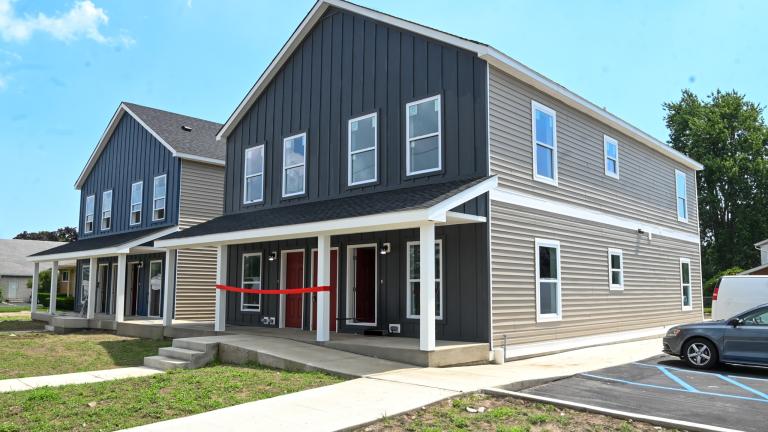
Modular building, 3D construction paves way for innovative solutions to the housing crisis
As Michigan’s affordable housing shortage continues, developers are exploring modular construction and 3D printing as innovative ways to reduce building time and address labor shortages.
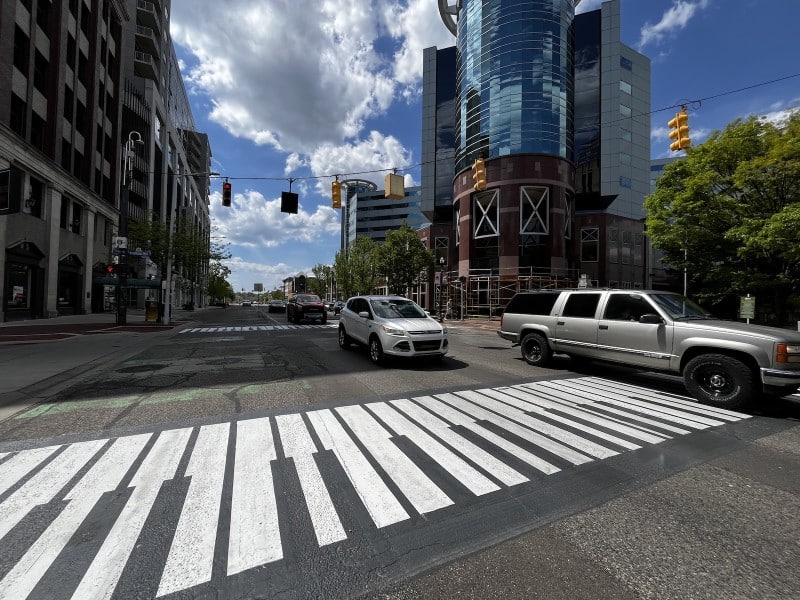
Kalamazoo asks residents to take a close, personal look at streets on walking audit for ‘Design It! Downtown’
A lively Downtown Kalamazoo walking audit highlights community-driven ideas and upcoming “Streets for All” improvements aimed at creating a safer, more welcoming, and pedestrian-friendly city center.
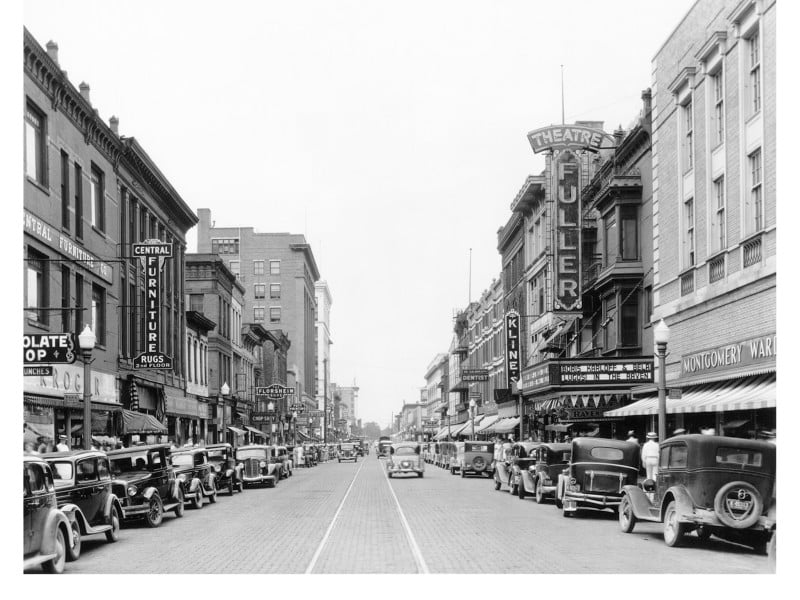
From ancestral trails to two-way roads: How Kalamazoo streets keep changing with the times
Kalamazoo’s shift from one-way to two-way streets reflects centuries of evolving transportation as the city reimagines a more walkable, people-centered downtown.