Coalition proposes that no family pay more than 7% of their income for child care
Universal Childcare without Conditions centers affordability for families and sustainability for providers.
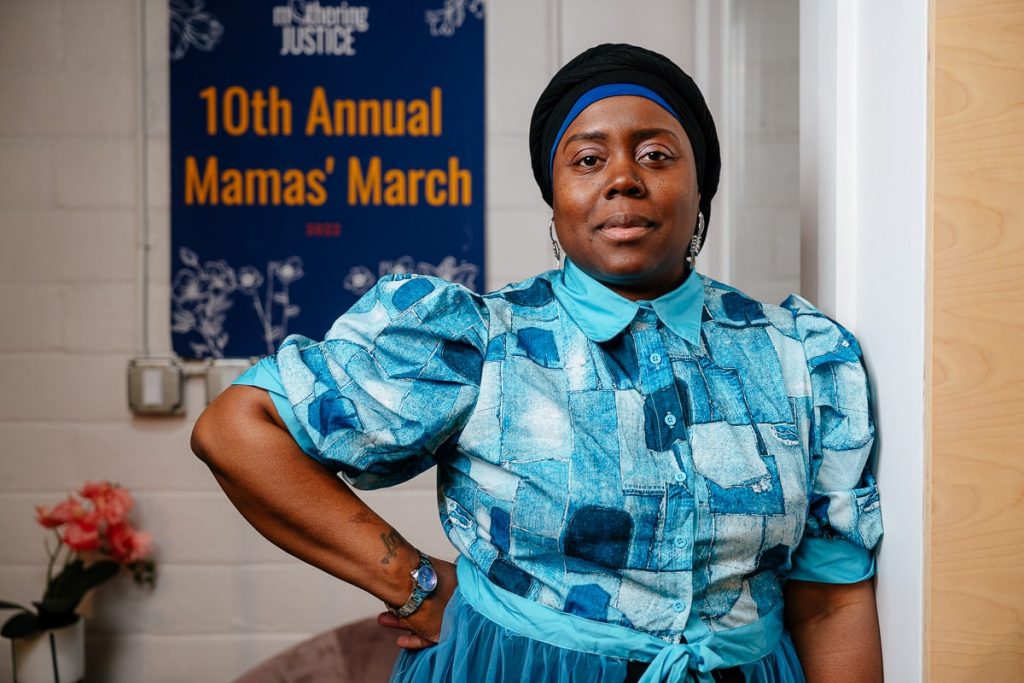
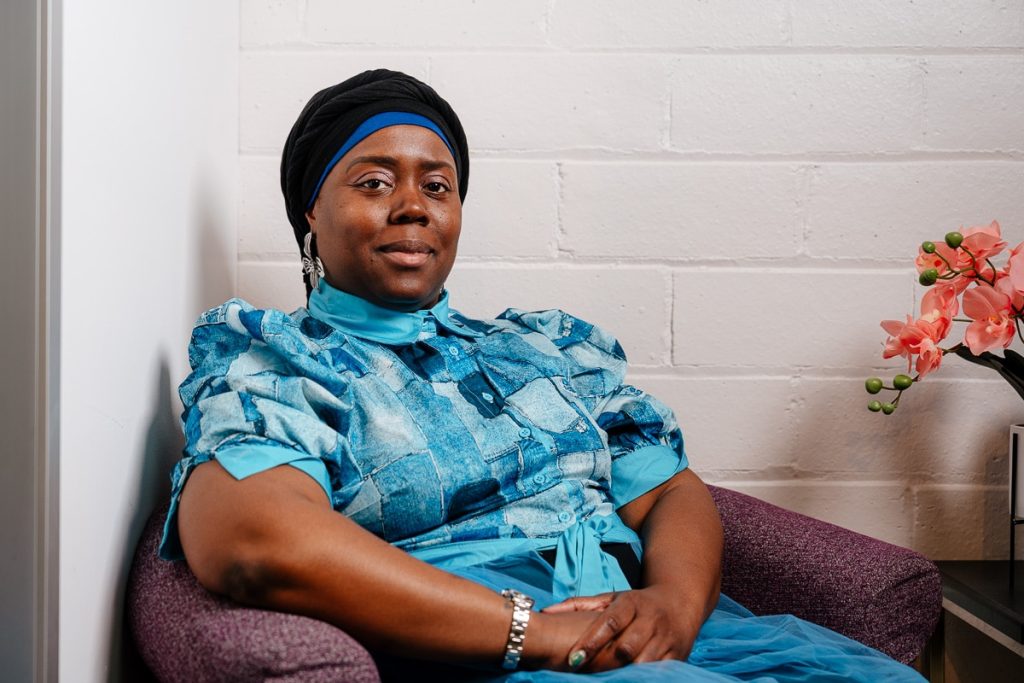
For years, Khadeejah Witte made impossible choices. As a single mother of three, she often had to decide between working and ensuring her children were safe. Without access to affordable child care, she brought her children along on mobile security shifts, keeping them in the car while she worked. Other times, she stepped away from work entirely.
“I had to choose between bringing them to work or not working at all,” says Witte, now a community birth doula and member of the Universal Childcare without Conditions coalition.
The numbers never added up. The cheapest child care she could find cost about $400 per week per child, adding up to more than $1,000 weekly. At the same time, she earned $8.25 an hour and paid $700 each month for rent.
“I made too much to qualify for assistance, but not enough to afford child care,” she says.
More than a decade later, Witte sees the same struggles playing out for families she works with today.
A coalition rooted in community voice
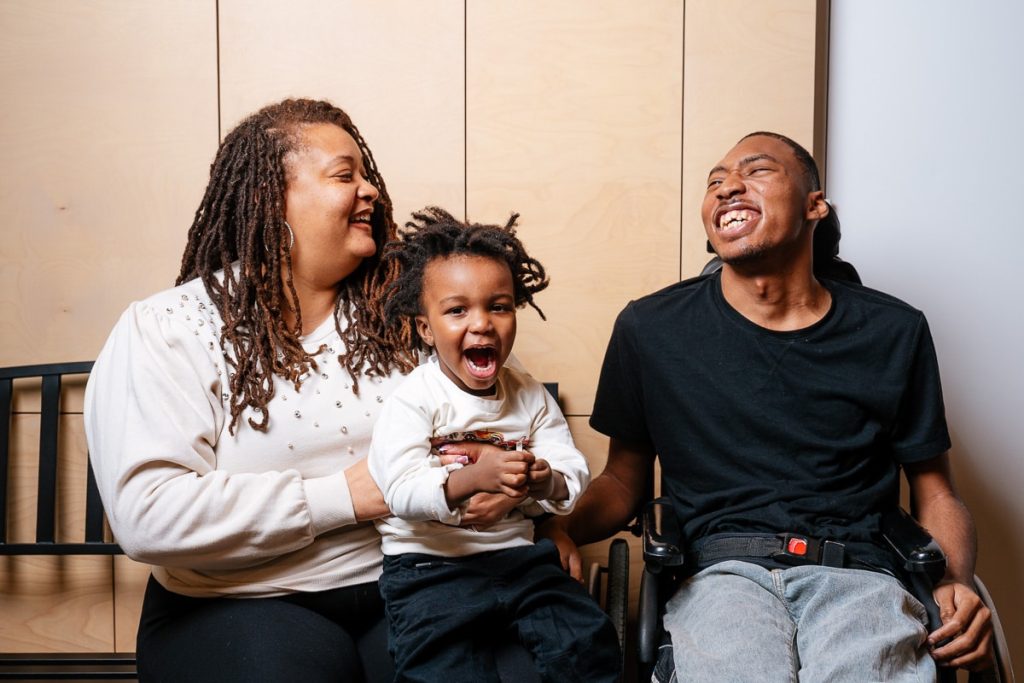
Stories like Witte’s are at the center of a growing movement led by Mothering Justice: Universal Childcare without Conditions. The grassroots organization advocates for policies that support mothers and families across the state. For Aisha Wells, deputy director of campaigns at Mothering Justice, the child care crisis is both deeply personal and systemic.
“I have a 2-year-old, and just the process of finding child care — something affordable, accessible, and high quality — is daunting for families,” Wells says.
Through years of listening sessions with mothers, caregivers, and providers, Mothering Justice has heard a consistent message: Child care is too expensive, too hard to find, and too often out of reach.
“We continue to hear from mamas that it costs as much as their rent or mortgage,” Wells says.
The issue extends beyond families. Child care providers themselves struggle to keep their doors open, navigating rising operational costs, staffing shortages, and reimbursement rates that often fall short of the true cost of care. Without greater public investment, many providers are forced to make difficult decisions about reducing capacity, increasing tuition, or closing altogether.
The Universal Childcare without Conditions coalition is a statewide effort to reimagine how child care is funded and accessed, centering affordability for families, sustainability for providers, and equity across communities. At its core, the coalition’s approach is grounded completely in community voice.
“Here at Mothering Justice, we truly believe that the people closest to the problem are also closest to the solution,” Wells says.
Because of this core belief, the coalition prioritizes bringing together parents, caregivers, child care providers, researchers, and advocacy organizations to shape policy recommendations rooted in lived experience. For Wells, that means not only identifying barriers, but co-creating solutions with those most impacted.
“We’re not just telling community what the issue is,” she says. “They’re telling us what the issue is, and we’re building policy from that.”

What “universal child care without conditions” means
The coalition’s vision centers on making child care affordable, accessible, and equitable for all families, without restrictive eligibility requirements that often leave working families just outside the threshold for support. According to Wells, in practice, this means incorporating a sliding-scale system where no family pays more than 7% of their income, or about $10 per day, a benchmark aligned with federal guidance for what is considered “affordable” child care.
“That means daycare centers can stay open, workers can earn a living wage, and families can access care they can actually afford,” says Wells.
Right now, most families far exceed that threshold. Nationally, child care costs average more than $13,000 per year per child, consuming about 10% of income for dual-income households and up to 35% for single parents. In many cases, families are spending between 8% and 16% of their income — or more — on care, well above what experts consider sustainable.
For the coalition, the goal is not just to lower costs, but to stabilize an entire child care system that has long relied on families to shoulder the burden. Under a universal model, public investment would help cover the true cost of care — ensuring providers can maintain operations, educators are fairly compensated, and families are not forced to choose between work and caregiving.
It also means expanding investments beyond existing programs, which currently leave significant gaps, particularly for children ages 0 to 3. While Michigan has made strides in funding preschool for 4-year-olds, early childhood care for infants and toddlers remains among the most expensive and least accessible stages of care, despite being one of the most critical periods for development.
The broader impact on families and the economy
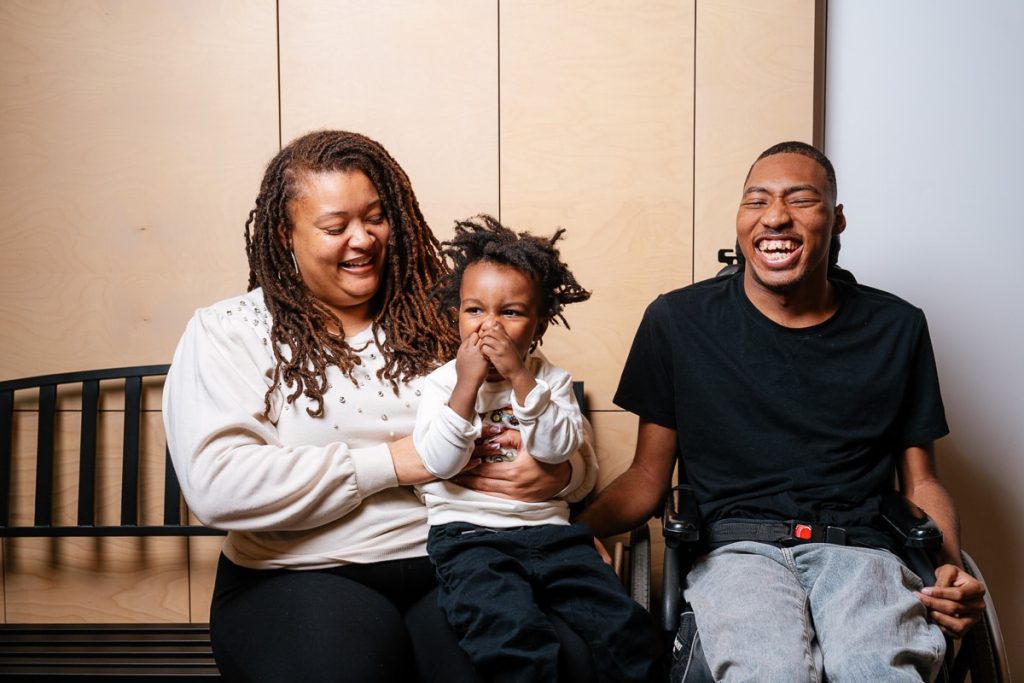
Advocates say the consequences of the current child care system extend far beyond individual households, shaping workforce participation, economic stability, and long-term community well-being. When families can’t access affordable child care, the impact is immediate and far-reaching. Many are forced to leave the workforce, reduce their hours, or turn down job opportunities altogether — decisions that limit both household income and broader economic growth.
“There are families who say, ‘I just won’t go to work,’ because child care costs more than what they would earn,” says Wells.

Data and policy analysis reinforce what families are already experiencing on the ground. According to Maddie Elliott, policy and programs associate at coalition partner Michigan’s Children, the system is falling short in both affordability and availability.
“Child care in Michigan costs, on average, about $12,000 a year per child,” Elliott says. “And about half the state is considered a child care desert.”
In these areas, there simply are not enough child care slots to meet demand, particularly in underserved communities where families may already face additional barriers to access. At the same time, Elliott says that these challenges are not just about supply, but about the structure of the system itself.
“The business model is broken,” she says.
Elliott points to the high cost of delivering quality care alongside staffing requirements and insufficient public investment. The first five years of life are foundational for brain development, learning, and social-emotional growth. Without access to high-quality child care, children miss out on key developmental opportunities, widening existing inequities.
“Education doesn’t start in kindergarten — it starts at birth,” Elliott says.
Reimagining what’s possible
For families like Witte’s, the lack of affordable child care creates a cascading set of challenges.
“It led to my financial instability,” she says. “If I couldn’t find child care, I couldn’t keep a job.”
That instability affects everything — from housing and food access to overall family well-being. Now working as a doula, Witte says she sees the same patterns today, including families forced to choose between working and staying home because child care costs too much.
“It’s putting a strain on families and limiting how much they can earn,” she says.
These realities are what Mothering Justice is working to change. As the coalition builds momentum, its focus is on expanding awareness, deepening community engagement, and advancing policy solutions.
“We’re building public support, educating communities, and drafting policy that doesn’t leave anyone out,” Wells says.
For Witte, the coalition’s vision is simple but transformative.
“It means families having access to safe, affordable child care in their own communities, without all the barriers,” she says. “I want policymakers to understand that without child care, families can’t work. And that affects everything.”
Photos by Nick Hagen.
Maddie Elliott photo courtesy subject.
Early Education Matters shares how Michigan parents, child care providers, and early childhood educators are working together to create more early education opportunities for all little Michiganders. It is made possible with funding from the W.K. Kellogg Foundation.
Author

Related Articles

CMHA: Telling the whole story about Michigan’s public mental health system
The Community Mental Health Association of Michigan gives a voice to the issues and the people experiencing them.
‘We go where they are’: Lucinda Stinson’s vision for a more connected Rotary
Lucinda Stinson, the new president of the Rotary Club of Kalamazoo, aims to broaden the organization’s community outreach, increase its diversity and engage members more directly with people and neighborhoods in need.
Three years of Bearcat Advantage: How Battle Creek’s free-college program is changing students’ plans
Three years after launching the Bearcat Advantage, Battle Creek Public Schools is seeing higher graduation rates and more students planning to attend four-year colleges, while the district works to make college more accessible.