Kalamazoo Choral Arts and Queer Chorus of Kalamazoo join voices for a powerful choral tribute to healing and hope
Kalamazoo Choral Arts and the Queer Chorus of Kalamazoo present “Considering Matthew Shepard,” a powerful choral performance that transforms tragedy into a message of remembrance, community, and hope.
KALAMAZOO, MI — Some stories are so painful, so difficult to revisit, that the instinct is to look away. But every so often, a work of art insists we do the opposite: that we sit with it together and remember why it matters. That’s exactly what “Considering Matthew Shepard,” a concert-length choral work by Craig Hella Johnson, asks of its performers and its audience.
In an upcoming performance in Kalamazoo, that act of remembrance becomes something even more powerful as Kalamazoo Choral Arts (formerly Bach Festival) joins voices with the Queer Chorus of Kalamazoo in a collaboration that transforms an already moving oratorio into a shared community experience.
At first glance, it may sound like a heavy evening. After all, the piece centers on the life and death of Matthew Shepard, whose 1998 murder in Wyoming became a defining moment in the fight for LGBTQ+ rights. But those involved in bringing the work to life say it’s not about despair, it’s about connection, memory, and what comes next.
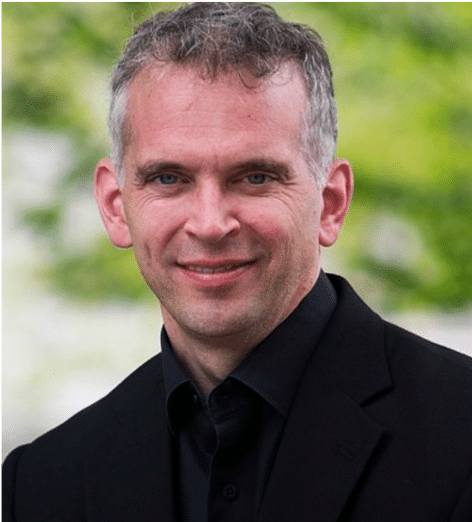
That sense of uplift — hard-won, but real — is something KCA Director Dr. Chris Ludwa sees as essential to the work’s impact. “It’s a very empowering piece. It’s so beautifully crafted in a way that doesn’t shy away from the event that has occurred,” says Ludwa.
Still, the journey there is not easy. The oratorio does not avoid the brutality of Shepard’s death. Instead, it reframes it by expanding the narrative beyond a headline and into a deeply human story. Ludwa points to the third movement, “We Tell Each Other Stories,” as the emotional and philosophical core.
“We tell each other stories so that we will remember,” he says. “And the remembering is about understanding how our past will help guide our future. What’s powerful in this piece is that there is so much reclaiming of his story — his life, his relationships, even his death experience — that has a different narrative than just ‘young gay man is victim of a hate crime.’”
In that retelling, Shepard is no longer defined solely by violence. He becomes, as the oratorio insists, an “ordinary boy” — a son, a friend, a presence in the world whose life rippled outward in ways both intimate and profound. The work even imbues objects and moments with meaning: the fence where he was found, the vast Wyoming landscape, and, as Ludwa reflects, the haunting image of a deer that reportedly lay down next to him through the night. “He didn’t die alone,” Ludwa says. “And he didn’t die for no purpose. Which comes back to what is our next move as citizens to ensure this doesn’t happen again.”
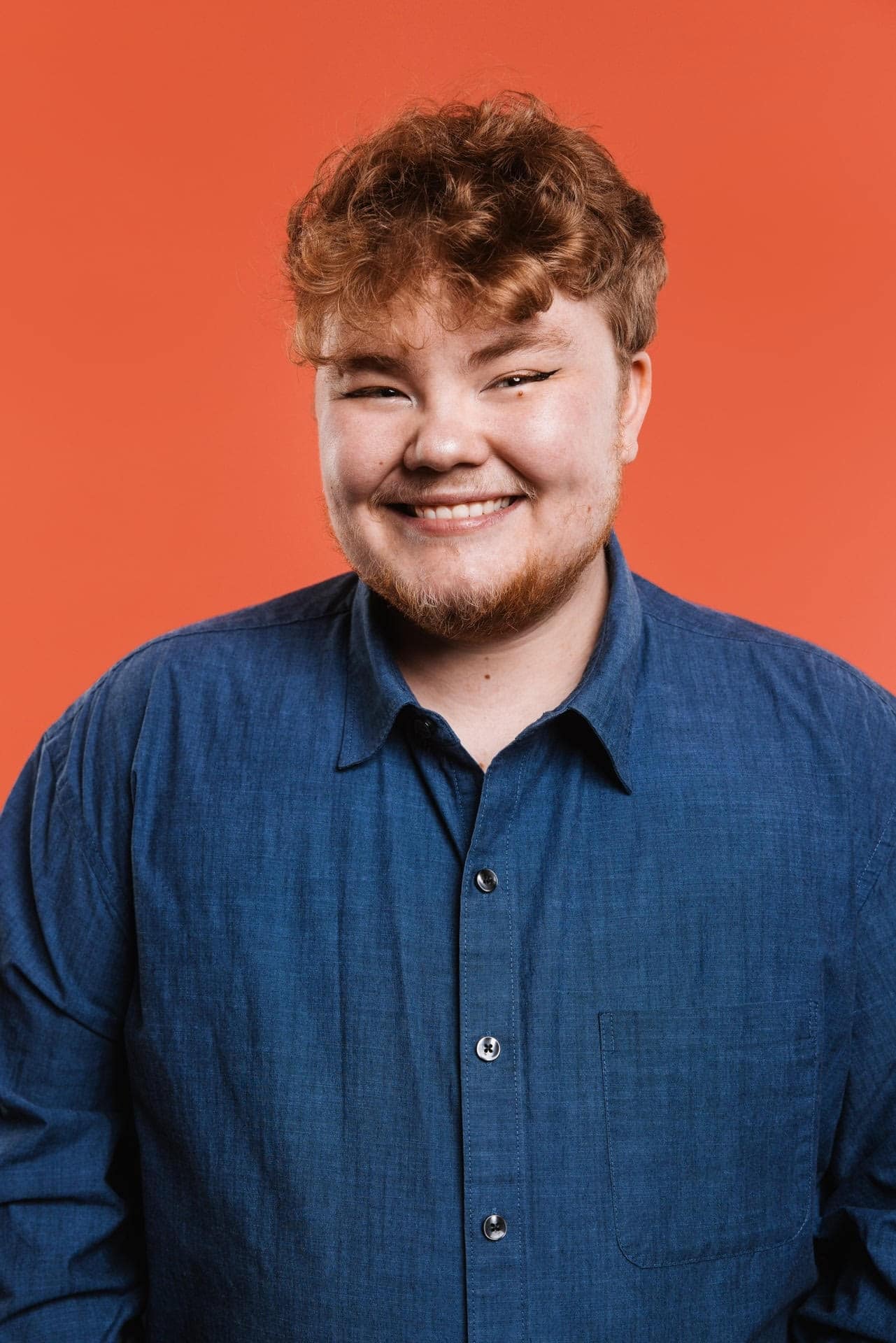
That question — what now? — is part of what makes performing the piece today feel so urgent. Syd West, founder and director of the Queer Chorus of Kalamazoo, who also works closely with the local LGBTQ+ community at OutFront Kalamazoo, sees that urgency every day. “The importance of us doing this piece now is really prevalent,” he says. “Especially with all of the issues that LGBT people are facing today. People come in and talk about their experiences. It’s just a really important thing to bring light to — especially for people who might not know.”
For West, the collaboration itself carries its own significance. The Queer Chorus of Kalamazoo, founded in 2024 as an inclusive, no-audition space for singers of all gender identities, was created in response to gaps in traditional choral structures.
West points out that there is a lot of gendered language around choirs. “It was really important to start this Queer Chorus in Kalamazoo because it can be a little bit intimidating, especially for trans people, to join a community choir or ‘regular chorus’ because hormone and voice changes are happening too, and a lot of people are nervous about putting themselves out there.
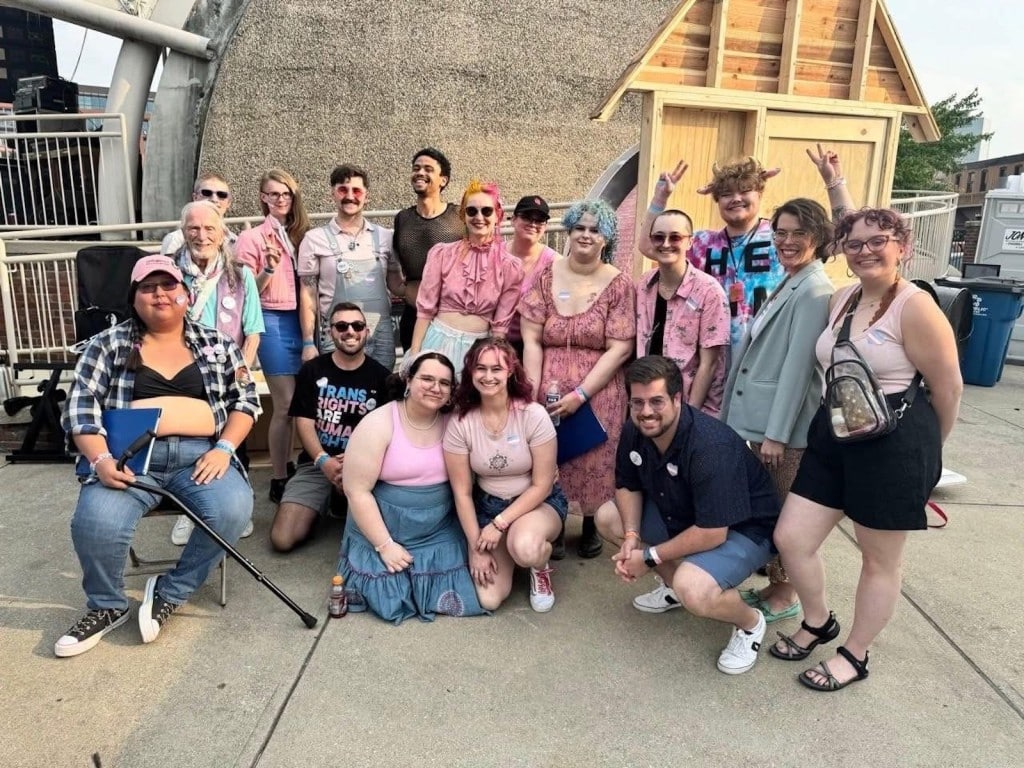
“The higher voices are typically girls, and the lower voices are typically boys, and that might not be the case (with trans folks). We really wanted this chorus to be a safe place for anybody of any gender identity to explore their voices and learn what it’s like to be in a group of people to make music together.”
West, a former KCA choral scholar who studied opera, says he welcomes new members to the Queer Chorus.
“I’ve heard trans masc and trans men friends say they used to sing before their voices changed. That makes me so sad,” West says. “You could still sing. It is a process to relearn that new voice. It has definitely been worth it to me. I really encourage people to sing in their voices even when their voices change.”
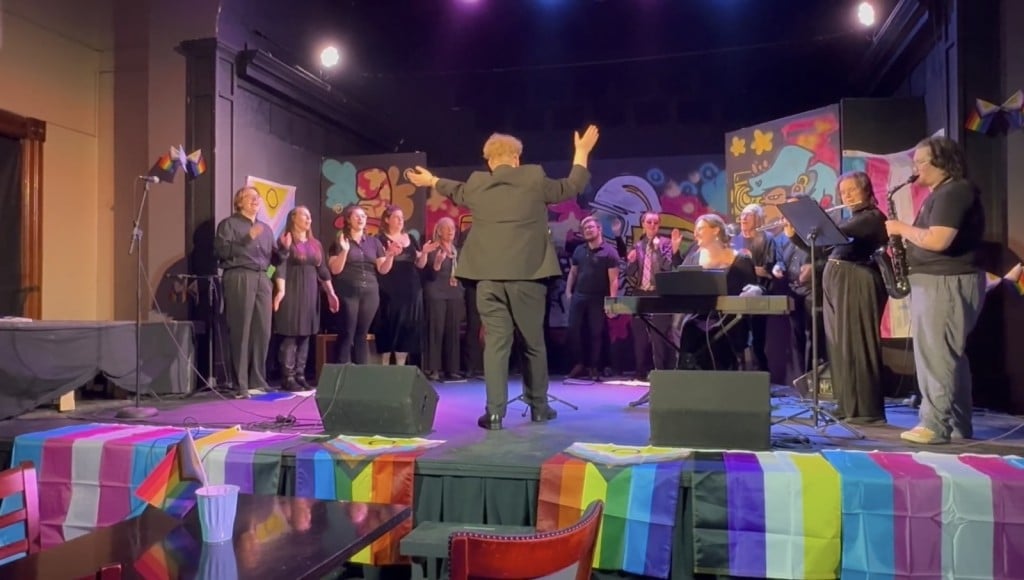
West, who is 26, says Shepard’s murder was “not on my radar at the time (it occurred), but I did learn about it in school, took a couple of classes on LGBT history, and even in my philosophy class. And I did my own research about it as well. By being in the (LGBT+) community, I started to learn more and more about the history of all the discrimination. Matthew Shepard’s story is a main story in the history of LGBT rights.”
The choice to perform “Considering Matthew Shepard” for KCA, says Ludwa, “feels both organic and deeply meaningful, and expands on the organization’s mission” to increase diversity and collaboration.
The subject matter and music have already been transforming the chorus, agrees Susan Uchimura, a KCA soprano and board member. “It’s certainly not all bleak and depressing,” she says, “It’s actually beautiful and lighthearted in a certain way at certain times. There’s a real Broadway aspect to it, and there’s a very popular-sounding piece that will have wide appeal.
“The message is about who our neighbor is,” says Uchimura. “I think it’s already begun to transform the chorus. Welcoming members of the Queer Chorus has already been transforming our community.”
Ludwa has watched those connections form in real time. “What I’ve seen is a really beautiful intermingling of communities,” he said. “At the break, people often stick with who they know. But here, there’s been real solidarity, real relationship-building.”
In addition, Ludwa says he’s pleased with how many Kalamazoo College students are participating. “Most of the time, we don’t have a ton of K College students in KCA. It’s mostly community members. This piece has drawn out three times more students than we usually have. What I think is powerful about that is what happened to Matthew before these students were alive, but to tell this story, engage in this way, especially if they are queer, creates a triple collaboration.
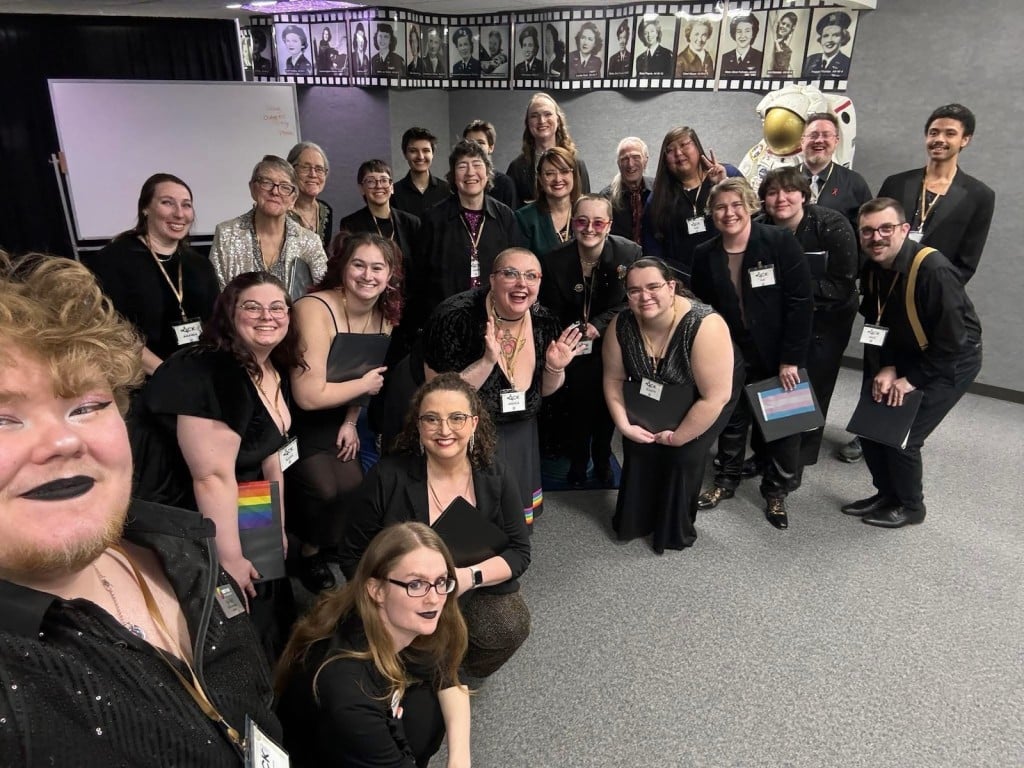
“And we’re adding the orchestra to that next week. A giant Venn diagram, and in the middle, a whole bunch of people who believe in a more compassionate world, and one in which that will never happen again.”
What will the music be like? According to West and Ludwa, it will be wide-ranging, but primarily in the style of a cantata. “The composer, who is a living composer and a gay man, is a huge fan and scholar of Bach,” says Ludwa. “There are moments when it’s very dramatic, where we hear the voice of these two individuals who committed the crime. It is very dramatic. It is not a church cantata.”
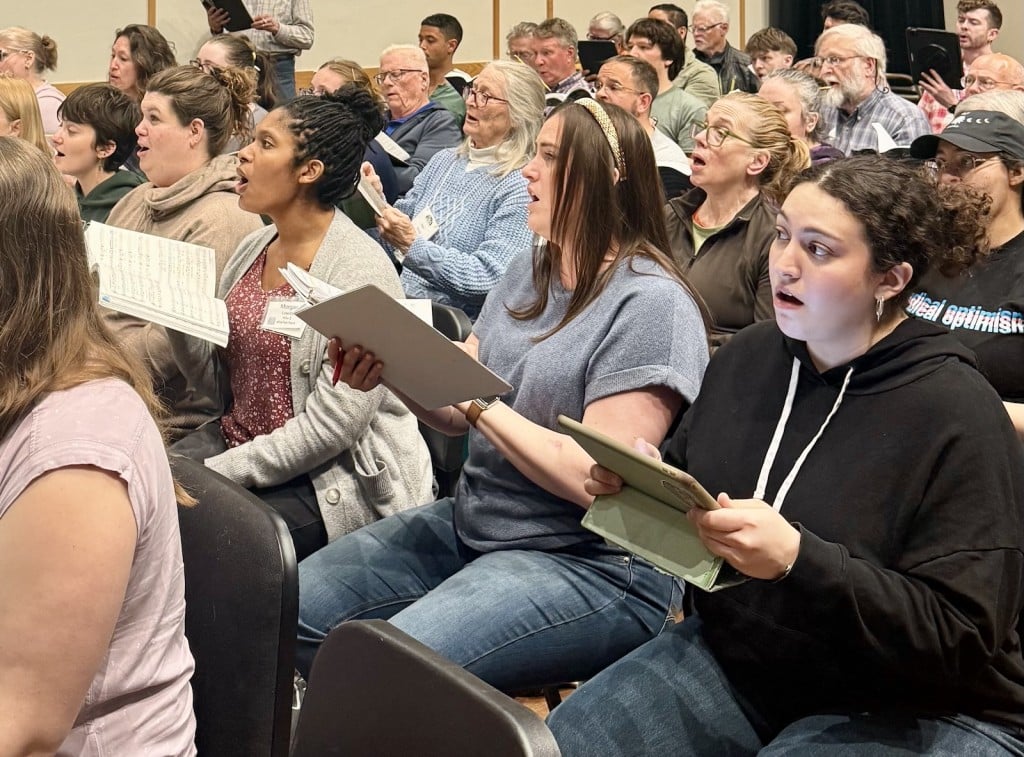
The rehearsal process itself has reflected the weight and the purpose of the work. Singers pause not just to perfect notes, Ludwa says, but to talk, reflect, and process what they’re experiencing. “We’ll rehearse for a while, then stop and ask people to talk to their neighbors about what’s coming up for them,” Ludwa says. “It becomes like a memorial or a communal grieving space. And through that, we find a better way forward.”
West has seen similar moments within his own ensemble and with the KCA, where structured conversations have opened space for both LGBTQ+ singers and allies to share their perspectives. “It is really special,” he says. “A lot of allies are learning a lot about the LGBT community through this project. And for those in the community, it’s a chance to be heard.”
That exchange is, in many ways, the heart of the oratorio itself. And it’s why, despite its difficult subject matter, those involved keep returning to the same conclusion: this is a piece that needs to be performed.
“There’s this idea that, ‘Why would I go hear something so depressing?’” Ludwa says, a sentiment he has heard a few times. “But I’ve found it to be cathartic, especially in light of what’s happening in the world right now. It goes so much deeper than a headline, meme, or a social media post.”
Even in the heaviest moments, there exists the possibility of catharsis and connection, both Ludwa and West say.
“There won’t be a dry eye in the place,” says West. “My mother will be in the audience, crying. But it’s such a moving experience. It’s an honor to be involved.”
And maybe that’s the quiet, enduring truth at the center of it all: that by choosing not to look away, by choosing instead to gather, sing, and remember, a community can transform grief into something larger that looks and feels like hope.
“The finale is so uplifting that even through the pain, it doesn’t leave you feeling hopeless,” says Ludwa. “It draws (the story) together in a beautiful way and sends people out with the feeling that we are truly all in this together.”
The concert will take place at 7:30 p.m. Tuesday, May 19, at First Congregational Church, 345 W. Michigan Avenue. Tickets can be purchased HERE.
Full Disclosure: The writer/editor of the piece is a Kalamazoo Choral Arts board member.
Related Articles
Connecting Chords offers a passport to global music in Kalamazoo
Connecting Chords brings an eclectic mix of global music, dance, film, and cultural traditions to Kalamazoo, continuing a 25-year mission of connecting audiences through the shared power of art.
Move over, kids: Gull Meadow Farms has a night for grown-ups
Gull Meadow Farms is giving adults their turn at fall fun with the return of Adult Only Night on Oct. 1, featuring classic farm attractions, hard cider, food and games for guests 18 and older.
Fontana turns 25 with new leadership and a vision for the future
Under the leadership of new Executive Director Dr. Sophié van der Westhuizen, Fontana Chamber Arts kicks off its 25th season featuring four premier ensembles — from innovative early music to vibrant global sounds.