Nature beneath the power lines: Transforming utility corridors into public trails
In Portage, trails through Consumers Energy Co. utility corridors offer a place to encounter nature close to home, as well as a look at what sharing a landscape entails.
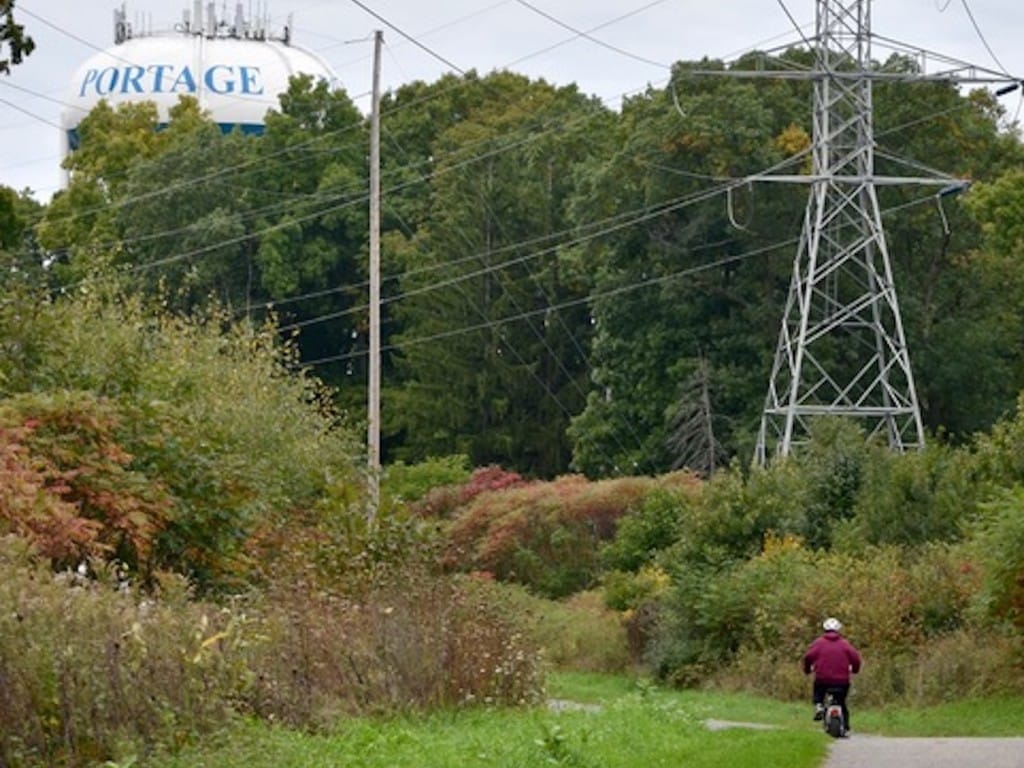
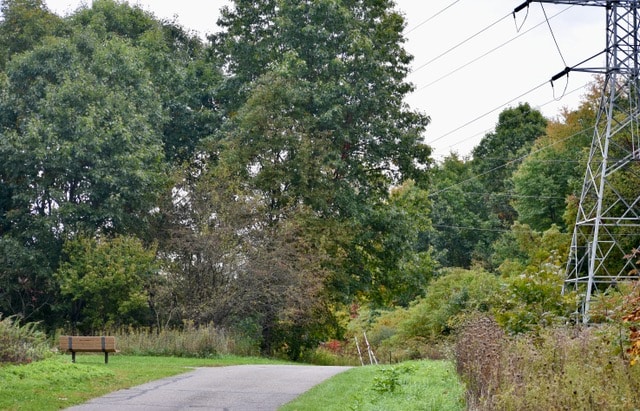
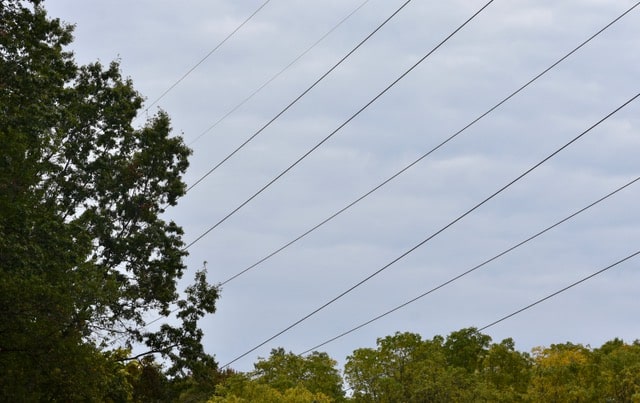
A paved trail curls around the trees. Above, power lines intersect across the sky. Along this stretch of Portage’s trail system, a walk through nature is shared with the infrastructure that powers the city.
Michigan’s exalted landscapes can make it seem that nature has to be traveled to: the old-growth forests of the Upper Peninsula, the dunes along Lake Michigan, and the abundance of inland lakes. But for many, an everyday encounter with the outdoors is often closer to home, in places woven into an already built-up environment. A utility corridor is one of these places.
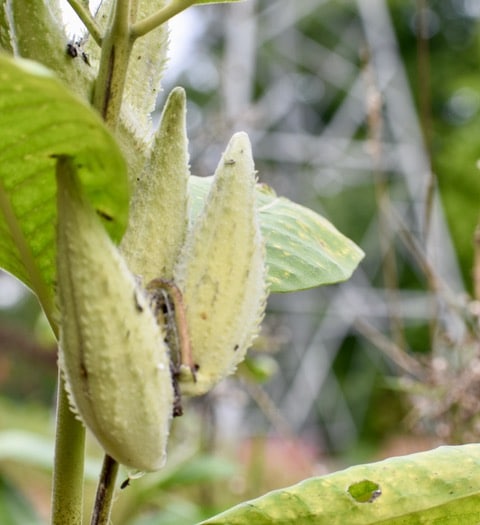
In Portage, partnerships with Consumers Energy have allowed land used for electricity infrastructure to become connections for bikers and pedestrians. These trails illustrate both the possibilities and the limits of sharing space as well as how public recreation can take place on land that continues to serve a utility purpose.
In July, Consumers Energy announced that it had not only surpassed its goal to “enhance, restore, or protect 6,500 acres of land,” but reached that goal earlier than anticipated. The company also said it opened more than 100 acres of its privately held utility land for public and recreational use.
Matt Johnson, Media Relations Specialist for Consumers, described the opportunity presented by the utility provider’s presence in communities across the state, including substations, power lines, and the land surrounding them.
There is “so much usable land around us that we think can be used in a way that can benefit the community,” he says. “Why not use that space around it for a little league field or a trail or a park, right?”
Establishing connections in Portage
According to Kathleen Hoyle, Portage’s director of parks and recreation, the city worked with Consumers in 2023 and 2024 on trail connections in the Celery Flats Historical Area and Haverhill Park as part of the East Central Trail Project.
“They were actually wonderful to work with,” Hoyle says.
Representatives from Consumers helped the city navigate the requirements of constructing trails around utility infrastructure, she says, including planting restrictions and the legal agreements needed to use the land.
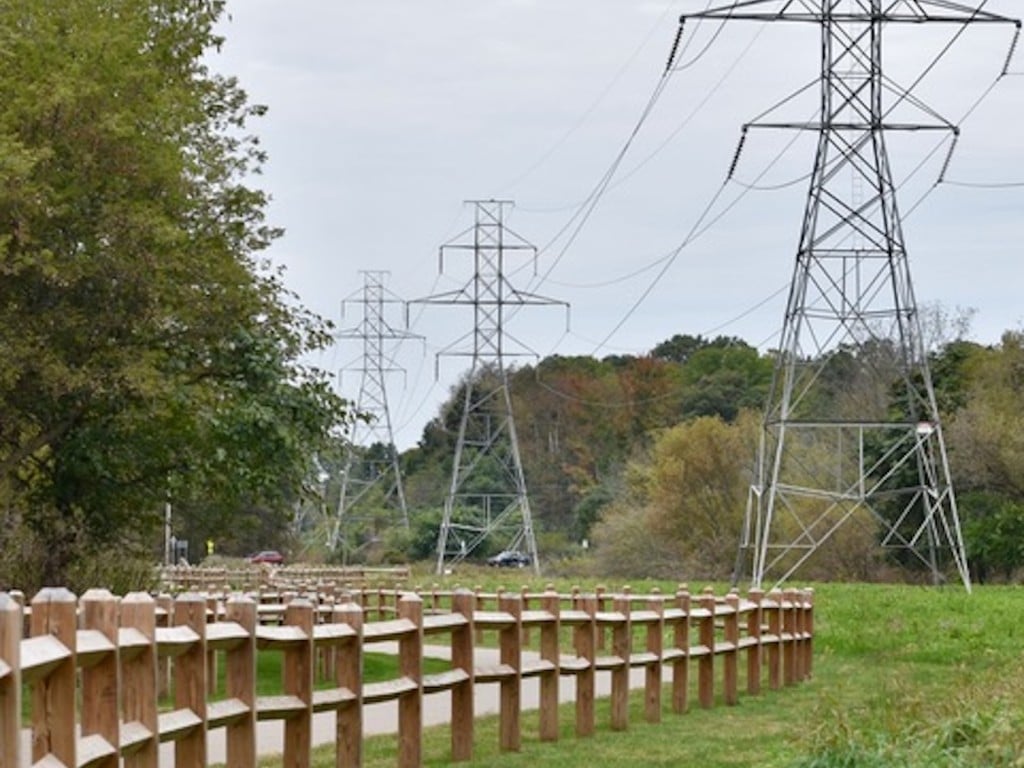
The open corridors left by utility infrastructure offered a way to connect already developed places within the city.
“Using those corridors because they’re not built up has been a real nice way to be able to get through the city,” Hoyle says.
According to Hoyle, Portage pays Consumers an annual $750 license fee for use of the land. She notes that public access will continue indefinitely unless utility needs require a change.
The city is responsible for trail maintenance, apart from areas around the transmission towers, and handles environmental work associated with the project, Hoyle says. This arrangement makes recreation possible alongside utility operations, while leaving the land’s infrastructure role in place.
What the acreage measures
Consumers includes the Portage trail project in its broader acreage goal, says Johnson, but the activities counted toward that goal vary.
Johnson notes that enhanced areas can include projects such as trash pickups and trail creation. Restored acres “represent projects that alter habitat back to more native conditions,” Johnson says, while protected acres are those that “aim to permanently preserve habitat.”
These distinctions matter. A trail can improve public access without creating permanent habitat protection, and a cleanup differs from restoring a native plant community. The combined acreage figure provided by Consumers brings these different activities under one measure.
When asked how the acreage is tracked, Johnson says projects are “tracked on a project-by-project basis and are categorized on a more granular level.” The company “tracks and reports the information and validates its accuracy in line with our standards,” he says.
Johnson says the work draws on employee volunteering, grants, and sustainable construction practices. He adds that while there is no single spending total associated with the 6,700-acre achievement, the efforts “are not funded by customers.”
Asked whether the company could devote more of its resources to environmental work, Johnson points to its broader energy planning, investment in clean energy, and efforts to reduce waste, recycle appliances, and improve efficiency.
For those using the Portage trails, the result is visible at ground level: a route through the city, with vegetation running alongside the pavement and powerlines overhead. These corridors provide a place to experience nature within the landscape of daily life. How long that access is permitted, as well as what environmental benefits come along, depends on the agreements and management behind the vision.
Editor’s Note: Planet Z: Voices of Youth for a Sustainable Future is a Gen Z–created series sharing unfiltered perspectives on climate change — from eco-anxiety and grief to the urgency, creativity, and resolve shaping their generation. Support for this series is provided by Consumers Energy.
Author

Related Articles

From 65 farms to one table: Allegan County celebrates local food
Allegan County will celebrate its farmers, food and community Sept. 25 with a farm-to-table experience featuring local food samples, a performance of “Seedfolks,” and a community dinner and conversation at Griswold Auditorium.
From cannabis to AI: Proposed Kalamazoo data center sparks questions about its future in Milwood
A proposal to convert a former Kalamazoo cannabis grow facility into an AI data center has sparked community debate over its potential impacts.
Planet Z Commentary: We are nature — it’s time we started acting like it
The greatest challenge of the 21st Century may be remembering our place in the natural world. In this commentary, Planet Z Project Editor Harper Horvath explores how our growing disconnection from nature threatens both environmental sustainability and human well-being.