Wheel the World puts Kalamazoo on the map for accessible travel
Wheel the World’s accessibility audit has positioned Kalamazoo as a national leader in inclusive travel, benefiting both visitors and local residents.
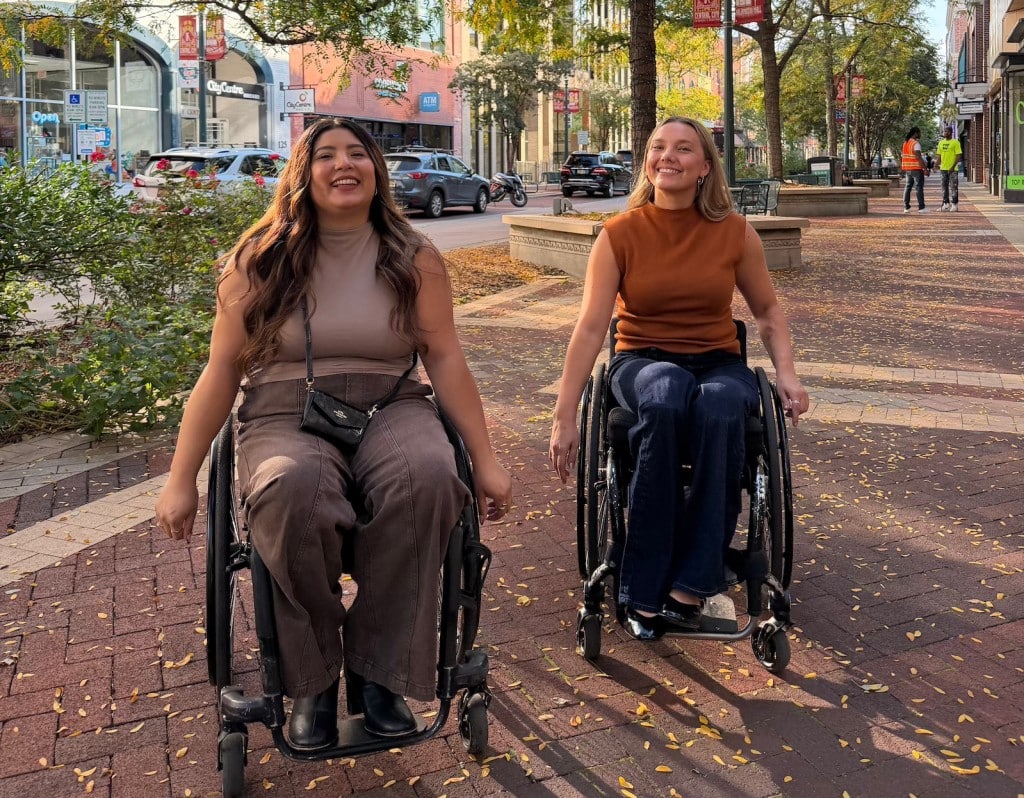
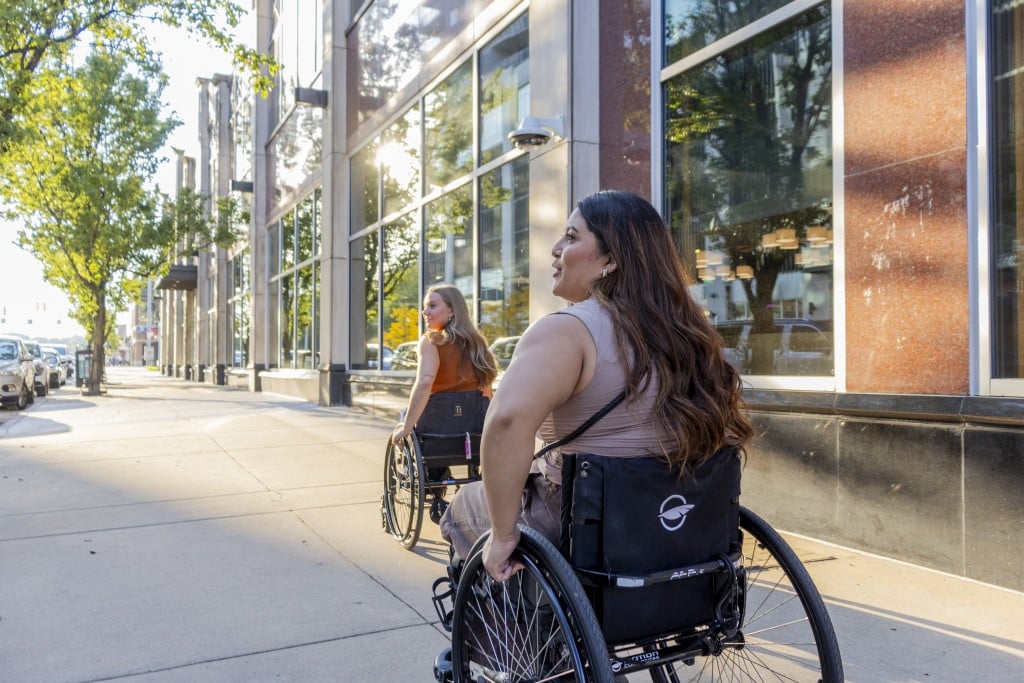
Wheel the World is an online travel platform helping travelers find accessible hotels, restaurants, and activities, from Cancun to Kalamazoo.
In December, Wheel the World included Kalamazoo County in its list of verified-accessible destinations.
Getting listed took over a year of analyzing the accessibility in Kalamazoo, President and CEO of Discover Kalamazoo Jane Ghosh says. “More than 130 locations across Kalamazoo County have been mapped for accessibility, which makes us number three in the country, and number one in the country for any destination our size,” she says.
The high number of verified-accessible destinations — including Kalamazoo’s music venues, live theaters, libraries, trails, museums, and many restaurants — benefits both visitors and people who live in Kalamazoo, ADA Specialist and Systems Advocate of Disability Network Southwest Michigan Kelly Linton says.
“When you increase accessibility, you increase inclusion,” Linton says. “You increase the number of things that people who live in Kalamazoo County can do, and people who visit Kalamazoo County can do. More places for them to go with their family.”
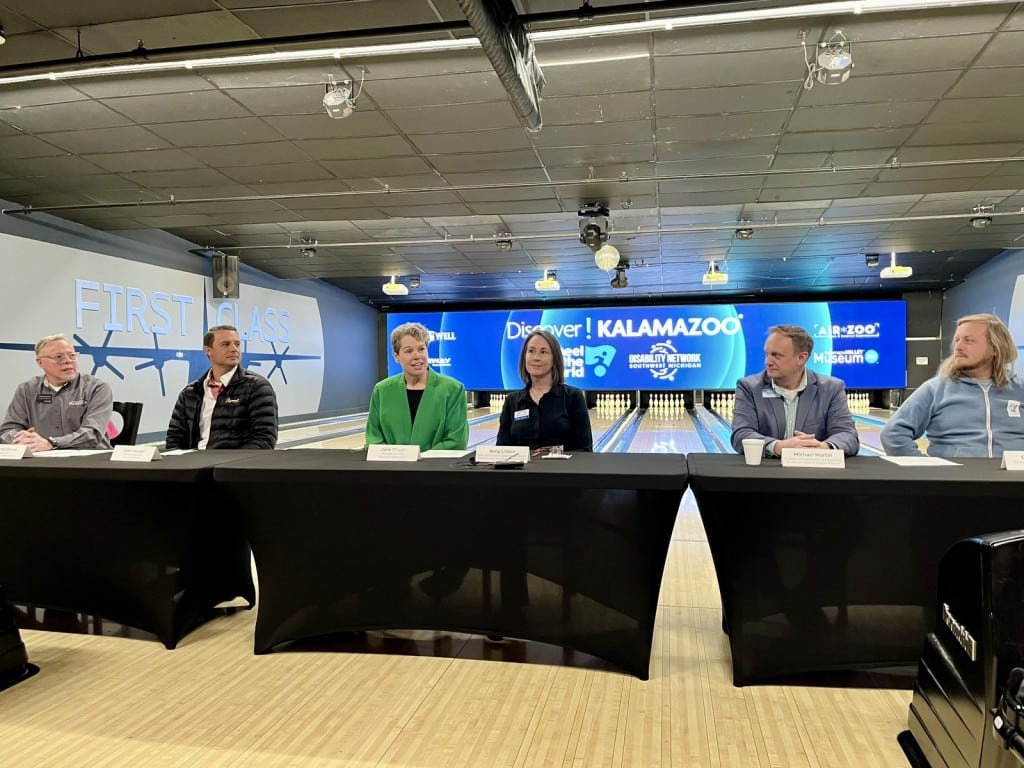
The panel also included General Manager of Airway Tyler Houser, Director of the Kalamazoo Valley Museum Bill McElhone, Director of Experience and Education for the Air Zoo Michael Martin, and Owner, Founder, and Wizard of One Well Brewing Chris O’Neill.
Benefiting all — from business owners to wheelchair users to senior bowlers
Participation in the Wheel the World accessibility assessment was voluntary for businesses.
Sure, all businesses need to be ADA compliant, but ADA “is the bare bones minimum that you can do and still be legal,” Linton says.
Why would a for-profit business make an effort to go beyond governmental regulations? Why invest in restroom handrails, accessible doorways, and easy-to-navigate interiors during these financially uncertain times?
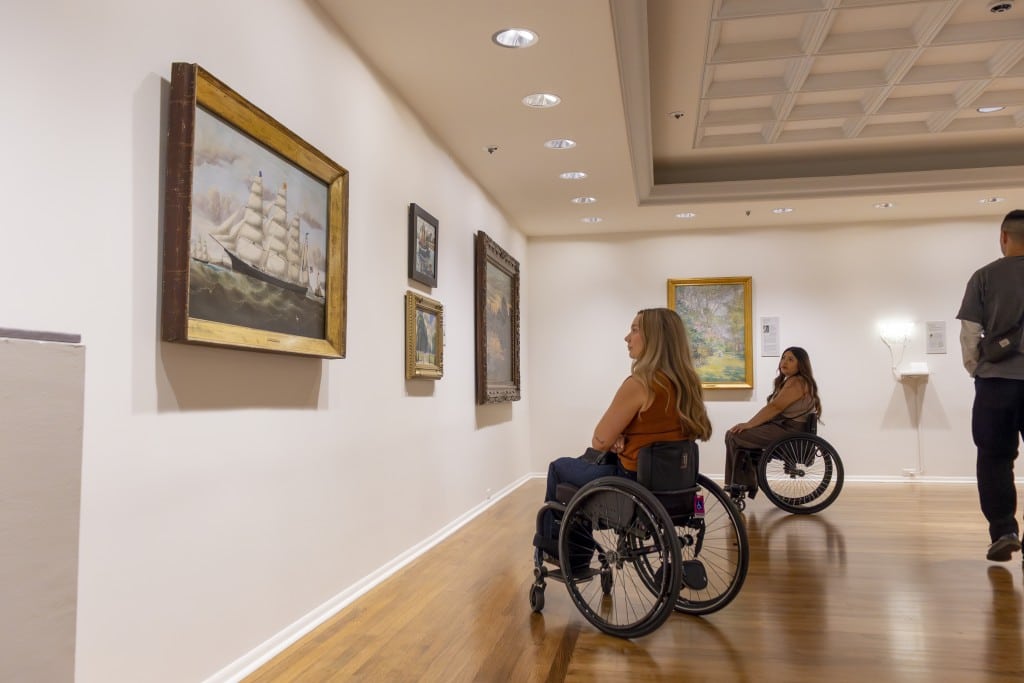
“The benefit to the businesses is hopefully, the more you expand your customer base, the more revenue you’re going to have. So you don’t even have to do it to be nice, you do it because it makes business sense,” Linton says.
It wasn’t planned, but Airway Fun Center, the host of the Wheel the World announcement, made that business sense clear with the crowd enjoying their bowling lanes that morning.
The panel talk was occasionally drowned out by the sounds of bowling coming from Airways’ main lanes. Airway Fun Center was packed with seniors, enjoying their retirement on a workday. Outside, the lot was nearly full, with all the handicap spaces taken.
Wheel the World’s listing for Airway notes its accessible bathrooms and parking, step-free entrances, and assistance for guests with physical disabilities.
Second Wave spoke with O’Neill and Linton after the panel.
Most people, sooner or later, will have vision, hearing, mobility issues, and other disabilities, “and it gets worse the older we get!” Linton tells us with a laugh.
She bristles at the “othering of people with disabilities,” and especially can’t stand the media’s use of the term “special needs.”
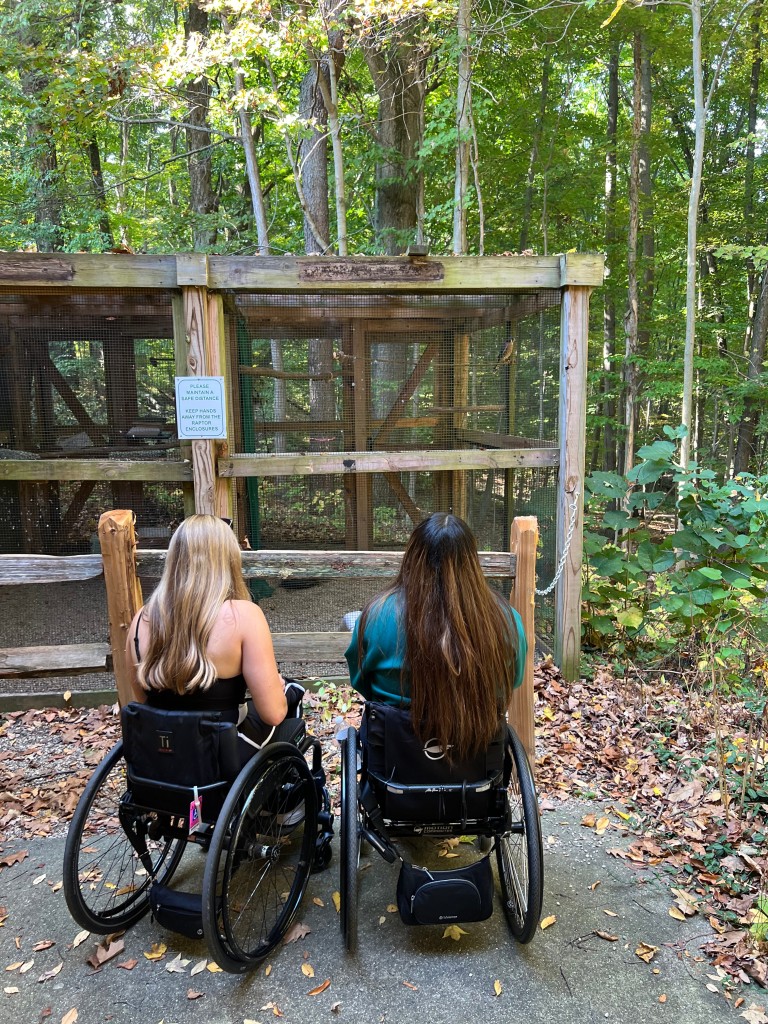
When it comes to physical challenges, “We all have something,” Linton says.
O’Neill says that as a small-business owner, his funds are limited. He’s wary of making big changes. But when One Well’s front doors needed to be replaced recently, he went with the more-expensive option of installing auto-open doors that open with the push of a button.
“The initial thought of adding these doors,” he says, would benefit “people that are in a wheelchair.”
But he found after talking to regular guests, “that maybe are a little bit older and just maybe not moving around as spry as other people,” they tell him, “Hey, this is actually really nice.”
He sees One Well customers who might not have a disability, such as parents with strollers, finding the new doors helpful. Then there are people with temporary mobility issues, like a member of O’Neill’s family who recently broke her leg and was on crutches.
He’s now looking from the “perspective of understanding that you don’t know what somebody else is dealing with if you don’t have the same situations. And it’s really hard to look at somebody else and say, ‘Well, that should be easy for you to open or get through,'” O’Neill says.
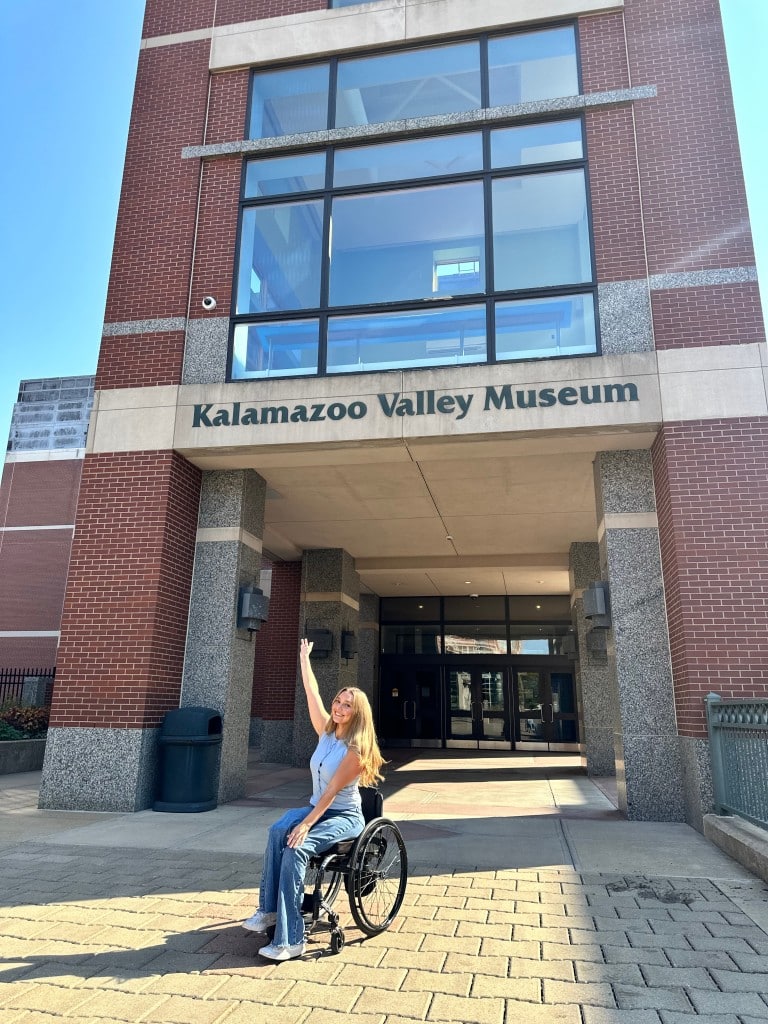
One never knows when a loved one, or yourself, could require a mobility device, he says.
“Earlier on in business, when I was younger and less understanding of the bigger picture, it was like, ‘Yeah, why do we have so many handicap spots? Why do we have this? Why do we have that?'”
Then he had the thought, “If your mom needed an easier, accessible spot to get in, you would want to have that for that person.”
More work needed in the birthplace of the curbcut
McElhone, as a historian, notes to the panel that downtown Kalamazoo has the first sidewalk curbcut in the country, put there in 1945 as disabled veterans came home from WWII.
Veterans went to the City Commission that year, “petitioned that we start putting in ramps in sidewalks, so that people could get around to visit restaurants, the hotels, the theater, attend churches downtown, and so forth. So this is an idea about accessibility that has always been there,” McElhone says.
The Kalamazoo community has long made the effort to be accessible, but panellists say they were surprised to find that they could go further.
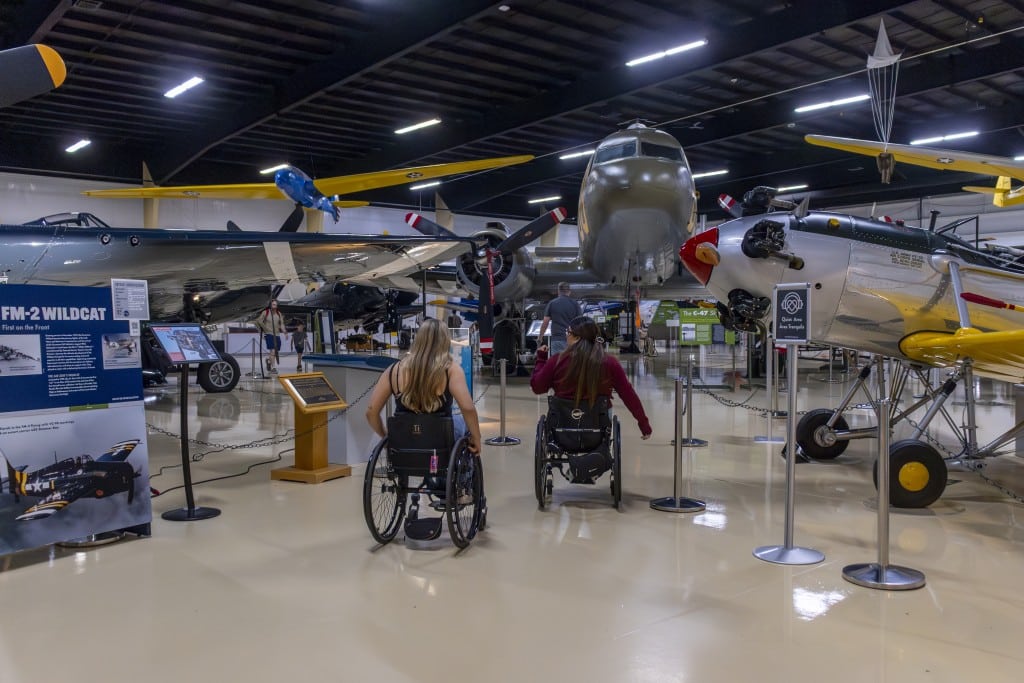
The assessment showed that the Air Zoo needed to redesign exhibit layouts so people in wheelchairs could get as good a view as others, of the wings on display, Martin says.
Martin notes that the Air Zoo celebrates the achievements of flight, and the stories of people who flew, including veterans. “But if the people who are being celebrated can’t access those stories, then it’s almost like, what’s the point? If they can’t get there to see themselves in the stories, then what have we done?”
Airway Fun Center has always seen itself as making “everyone, regardless of ability, to feel welcome,” Houser said on the panel.
But Airway found that more work needed to be done.
“Kelly with Disability Network did a fantastic job going through all aspects of the business and really explaining things to us from the guest perspective, which was eye opening for us,” he says.
“We added handrails to all of our bathroom stalls. We’re constantly reviewing layout and signage for easier navigation throughout the big center. And lastly, for 2026, we’re looking at accessible menus, redoing our menus to have some accessible menu options for our guests.”
Inclusion for Pure Michigan
Ghosh pointed out that the funding and work for the assessments came from Discover Kalamazoo, the Disability Network, and the Michigan Economic Development Corporation.
The MEDC folks are the “Pure Michigan people “working to bring tourist dollars to the state,” says Ghosh.
“If we’re going to continue to grow tourism, which is so important to the Michigan economy and the Kalamazoo County economy… we need to make sure that we are as accessible as possible to all,” she says.
MEDC funded the Wheel the World accessibility audits “because they knew that a visitor, if they don’t know that they can be accommodated, they’ll assume that they can’t. But if they know that they can be accommodated, then they’re willing to come and make the trip.”
See which businesses and attractions are accessible in Wheel the World’s Kalamazoo listing.
Author

Related Articles
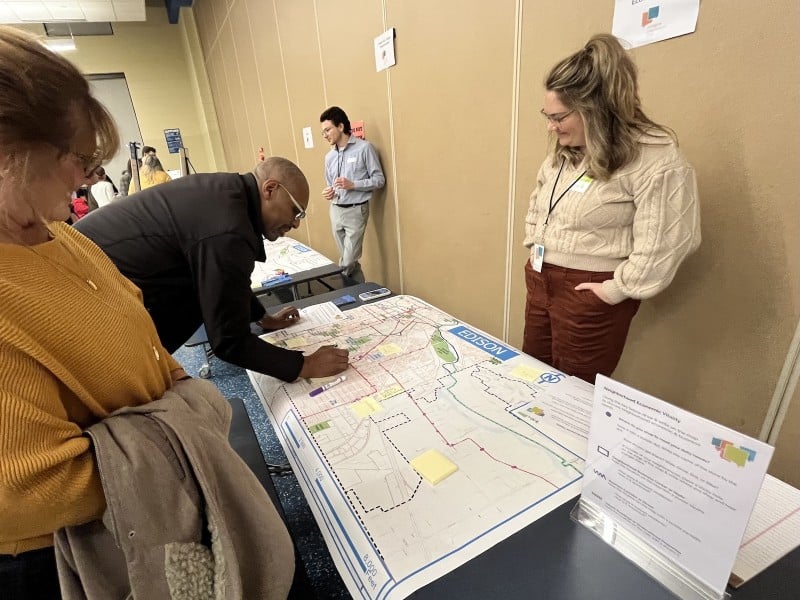
Edison residents take opportunity to Imagine Kalamazoo 2035
Edison residents kicked off Imagine Kalamazoo 2035 by turning potholes, sidewalks, and other everyday neighborhood concerns into hands-on input about the city’s long-term future.
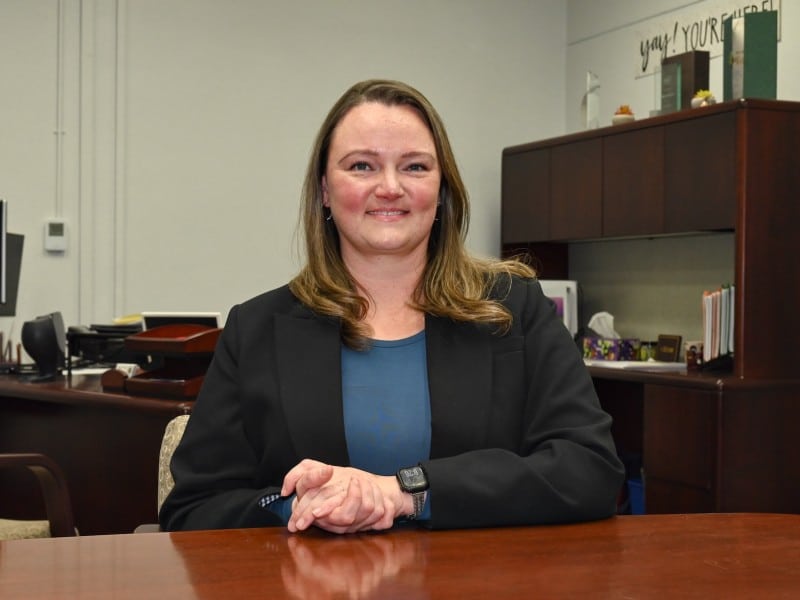
New city manager aims to tackle Battle Creek’s challenges — and harness its assets
Three months into her role, Amanda Zimmerlin discusses how her Ohio background prepared her to tackle Battle Creek’s housing, homelessness, and childcare challenges while championing the city’s assets.
Suprise unveiling: Kalamazoo’s Cooney Cultivation Center at Farmer’s Market moving tribute to veteran activist
Kalamazoo honored longtime activist and commissioner Don Cooney with a surprise dedication of the new Kalamazoo Farmers’ Market Cooney Cultivation Center, a community hub designed to nurture youth, connection, and local growth.