
Voices of Youth: Spot and Stop program fighting invasive plant species
Invasive plants threaten Michigan’s ecosystems, but the Spot and Stop program in Kalamazoo, Calhoun, and Barry counties empowers residents to fight back through community action and tech tools.
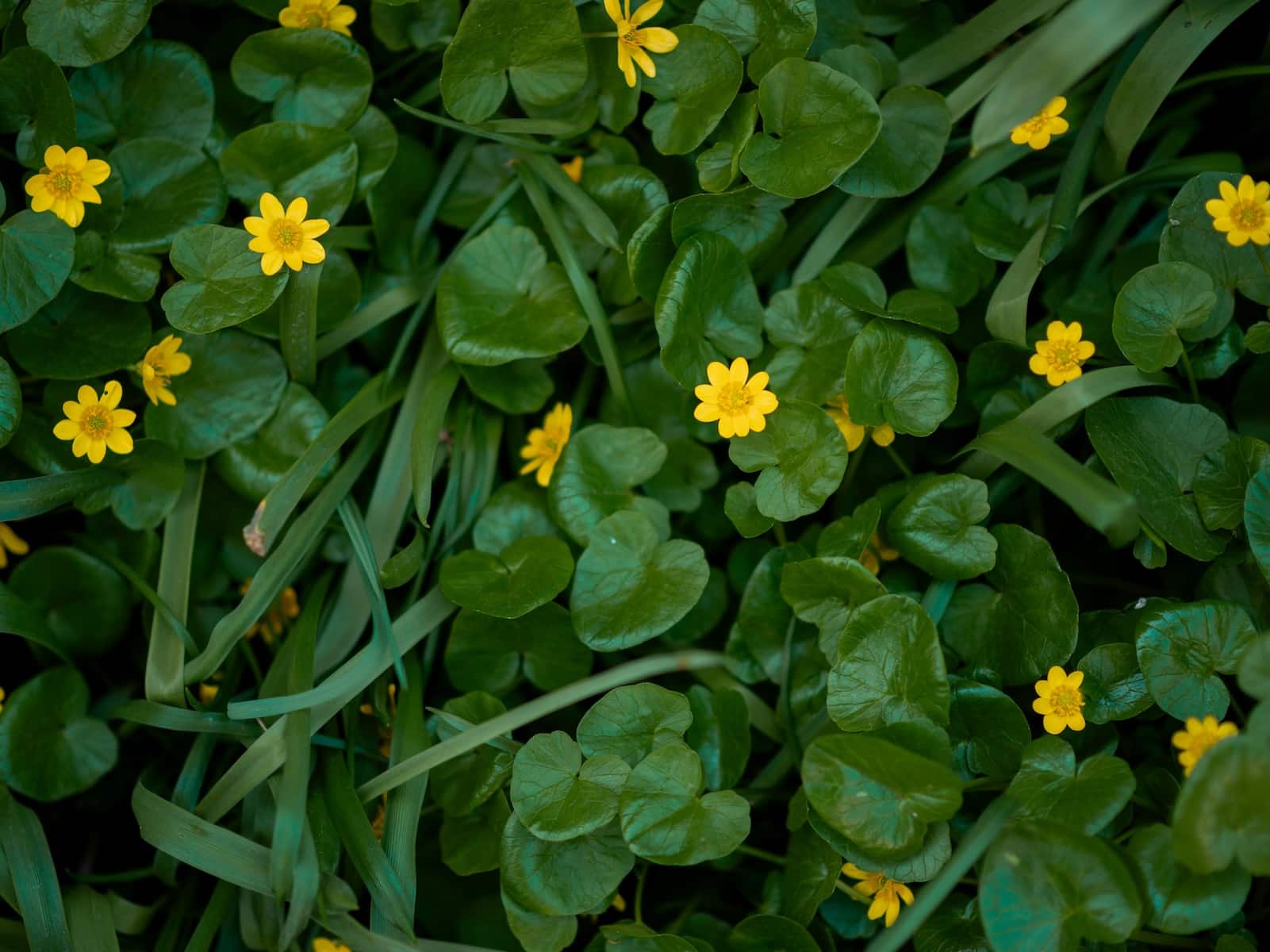
Leafy invaders are lurking all around us. They have a name. They have a mission — to overthrow native ecosystems. These aliens are not like the ones we hear about coming from outer space, but rather ones of all shapes, sizes, and colors that Michiganders can find in their own backyards. While it may seem hopeless as these invaders spread rapidly, putting pressure on local flora and fauna, all is not lost.
The Kalamazoo Spot and Stop program is working on fighting this threat, known as invasive plant species.
There are 47 registered invasive plant species according to Michigan State University. Each one with its own endless threats toward Michigan’s native ecosystem, egging one another on.
“Invasive species tend to support other non-native species,” says Sara Huetteman, coordinator of Barry, Calhoun, Kalamazoo Cooperative Invasive Species Management Area (BCK CISMA).
“For landowners, invasive plants can damage their infrastructure or make the land unnavigable,” Huetterman says.
That means the more invasive species gaining a foothold in local ecosystems, the more magnified the impact for native plants, wildlife, and even humans.
Many native plant species are being affected by these leafy invaders. For example, the rapidly spreading lesser celandine can easily outcompete wildflowers like trilliums and bluebells. This can put pressure on the local wildlife, such as honeybees, that depend on these flowering plants for their pollination efforts.
Huetterman explained that there are many invasive species to watch out for, right here in Kalamazoo.
“Some key new species to watch out for include cinnamon vine, lesser celandine, purple jewelweed, knotweed, and phragmites.” She says. “Stop and Spot is a way to utilize the community already enjoying the parks,” Huetterman said. “(Residents) submit invasive plants they find to iNaturalist, which can guide the parks in their management and coordinate volunteer days to manage the invasives they reported.”
Programs like these spread awareness of the sometimes irreparable harm of invasive plants. They also arm locals with strategies and tools to log, track, and fight back. Residents can even use the aforementioned phone app, iNaturalist, for tracking and logging invasive species sightings.
If folks don’t feel confident identifying species on their own, Huetterman has a solution for that, too.
“If you aren’t great at identifying plants or bugs, iNaturalist has an excellent companion app called See, and it can use your camera to determine the species before a picture is taken, and it syncs with iNaturalist in the background.”
New invasive threatening monarchs
Black Swallow Wort, also called Black Dog Strangling Vine, has recently been spotted in Kalamazoo’s Winchell neighborhood. An aggressive herbaceous perennial, Black Swallow Wort harms monarch butterflies by interfering with production.
BCK CISMA has numerous initiatives aside from the Spot and Stop programs to combat invasive species. In addition, the Midwest Invasive Species Network has an extensive catalogue and a free app.
“Some of the species I listed to look out for, we provide services to treat, and a few are even covered by grants. Cinnamon vine is one we are trying to survey for and treat,” says Huetterman.
The state of Michigan allocates $3.6 million in grants yearly through the Michigan Invasive Species Grant Program to support efforts like BCK CISMA’s treatments.
By offering these services, sometimes at no cost to residents, an effort is made to keep non-native species at bay. As Huetterman mentioned, even infrastructure can be impacted by these plants. Japanese Knotweed, one of the most destructive plants, can split or crack concrete and asphalt via its root systems. Michigan municipalities spend millions annually on attempts to control the devastating impacts of the invasive species.
Invasives even pose safety hazards
Invasive species in Michigan can even impact drivers. Non-native plants often grow out of control, which can obstruct the driver’s line of sight. Native vegetation can even be displaced by plants like the Autumn Olive or Multifloral Rose, which often grow along highways. This means the road shoulder can be destabilized, reducing the options for motorists to pull over safely.
Getting ahead of these aggressive plant populations is key.
“Michiganders can get familiar with Michigan watch list species so that we can respond while the populations are small,” says Huetterman.
Kalamazoo Spot and Stop provides a starting point to residents eager to make a difference in their communities. The opportunity to learn about the ecosystem and the invasive plants threatening it is a topic for all ages.
If you or someone you know has the desire to volunteer as a champion of local plant life, you can find the remaining Spot and Stop program information on Facebook.
Thanks to the dedicated and determined Kalamazoo locals who have been attending the volunteer workshops, parks, backyards, and other shared spaces can be preserved for future generations of plant protectors.

Dale Krueger IV is a 25-year-old psychology student who lives in Southwest Michigan. He is passionate about telling stories about people who often get overlooked, and he looks forward to exploring his newfound love of journalism.
Related Articles

Groove for Good: Kalamazoo climate night blends beats and big ideas
Kalamazoo residents are invited to a lively night of music, community conversation, and climate action at “Groove for Good – Climate Action Night,” a fundraiser at Old Dog Tavern supporting local environmental efforts.

Planet Z: Climate anxiety meets Gen Z resolve
Born into a planet in crisis, Gen Z carries the weight of climate anxiety. Planet Z, our yearlong series created by Gen Z writers, explores what it means to come of age in the climate crisis — and how they’re meeting it with collective resolve.

Where every goat has a name: Chubby Goat Acres gives neglected farm animals a second chance
Chubby Goat Acres, a 17-acre sanctuary in Southwest Michigan, rescues neglected and abused farm animals, giving them individualized care, love, and lifelong homes while educating the public about their needed tending and unique personalities.