
Voices of Youth: All aboard the Vicksburg Dinner Train, a rolling effort to feed neighbors in need
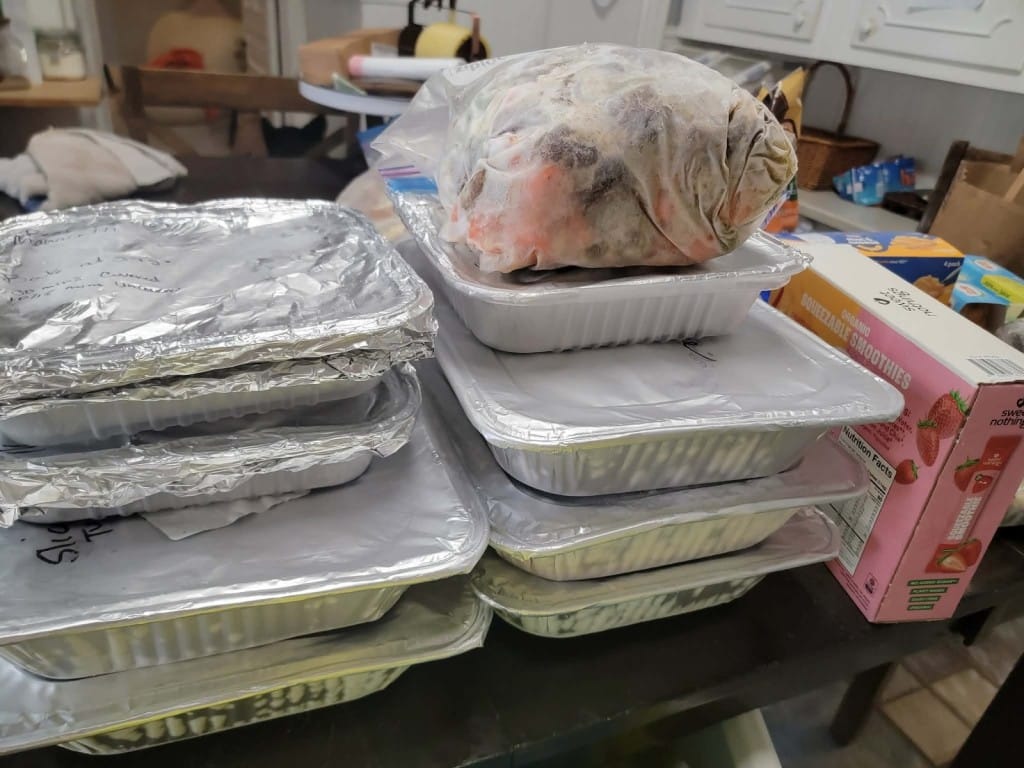
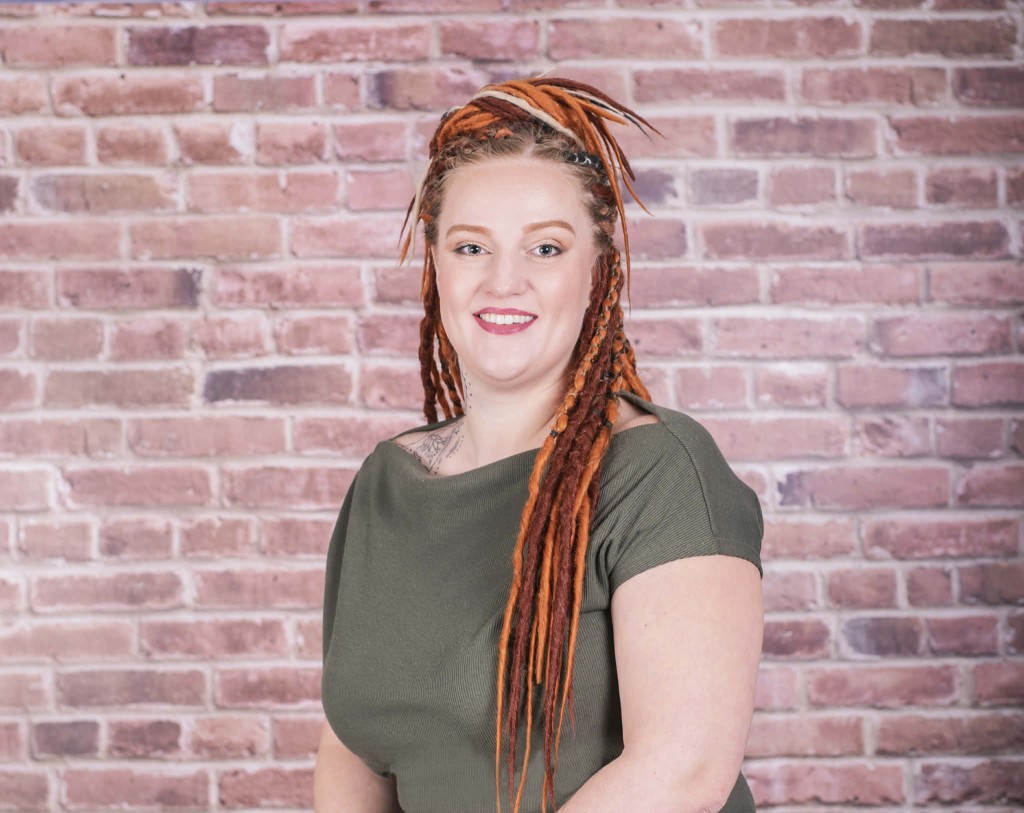
A grassroots Facebook group founded by Vicksburg resident and Army veteran Rebecca Walters is combating food insecurity in Kalamazoo County by organizing anonymous, community-driven meal trains for families in crisis.
Editor’s Note: This story is part of our Voices of Youth Kalamazoo program, a collaboration between Southwest Michigan Second Wave and KYD Network in partnership, funded by the Stryker Johnston Foundation.
VICKSBURG, MI — The average Michigander faces constant financial pressure, from paying monthly bills and repairing vehicles to raising a family. Few needs, however, are as fundamental as having enough food to eat.
According to the United Way’s ALICE report, which tracks Asset-Limited, Income-Constrained, and Employed households, 41% of Michigan families cannot consistently afford necessities. Rising food and living costs have only intensified that strain.
For Rebecca Walters of Vicksburg, that reality demanded action.
A grassroots response to hunger
Walters founded the Vicksburg Dinner Train Facebook group in July 2025 to connect families in crisis with home-cooked meals. The effort addresses a growing local need. More than 40,000 people in Kalamazoo County are considered food insecure, according to Feeding America, affecting both urban and rural communities.
Families may face sudden hardship due to illness, death, job loss, or financial emergencies, often without reliable support.
“I grew up with this being the norm in my church and military community — doing meal trains,” Walters says.
Meal trains organize volunteers to prepare and deliver meals to families experiencing difficult circumstances. The system removes the financial and emotional burden of meal planning during crises, shifting it to willing community members.
“Three or four years ago, I saw tragedies come up in local Facebook groups, and people would ask if a meal train was needed,” Walters says. “A few people would offer, but it felt like everyone was afraid to be a stranger.”
After years of seeing the same pattern, Walters stepped in.
“Maybe all it needed was one person to coordinate it,” she says. “I pick up and drop off meals. No revolving door, no doorbells, and complete anonymity unless the family wants otherwise.”
Reducing stigma around food insecurity
Within the first month, Walters noticed that many families needed more than temporary meals.
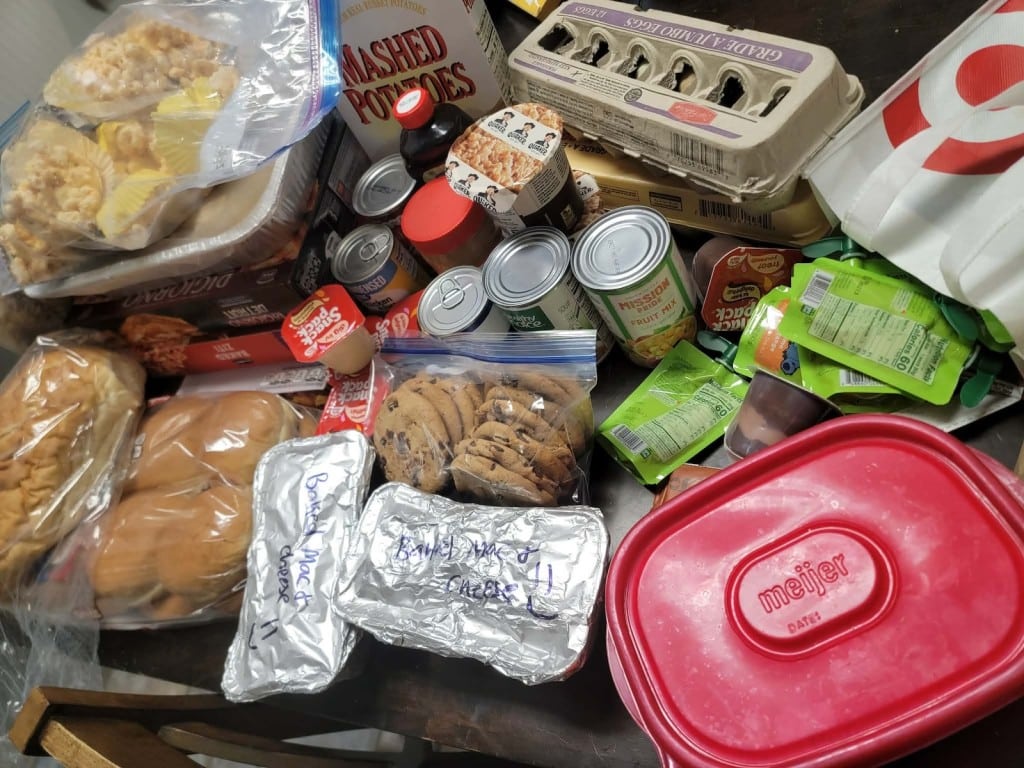
“Food insecurity kept coming up,” she says. “So I added a ‘trolley cart’ where donors can contribute snacks and groceries to boost meal trains that need extra help.”
Stigma remains a significant barrier to accessing food assistance. A 2022 study published in the Journal of the Academy of Nutrition and Dietetics found that shame related to food insecurity increases psychological distress and raises the risk of anxiety and depression.
Helping children celebrate milestones
Food insecurity also affects children in less visible ways, including missed celebrations.
“When Vicksburg Community Schools reached out and said they had students in need, I added birthday boxes,” Walters says.
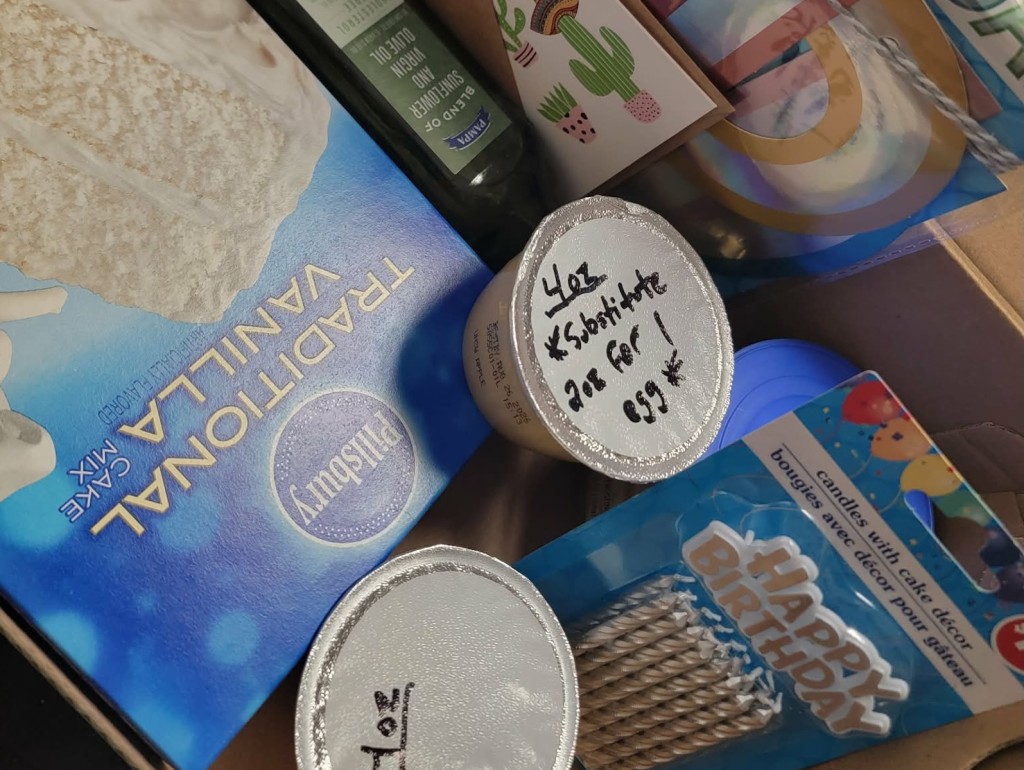
The shoebox-sized kits include cake mix, frosting, candles, applesauce to replace eggs, cards, and a banner. Walters also provides premade cakes for families with mobility limitations.
“All of it is so kids who wouldn’t normally be able to celebrate can,” she says.
Expanding beyond Vicksburg
The Vicksburg Dinner Train has inspired similar efforts in nearby communities, including the Kalamazoo Dinner Train.
“Inspired by the Vicksburg Dinner Train, I wanted to create a group to organize residents of Kalamazoo and Portage who have extra time and resources to make meals for neighbors impacted by SNAP cuts,” wrote Aya Miller, the Kalamazoo group’s founder, during the SNAP funding crisis in November.
“Making communities, communities again, while we feel more distant than ever,” Walters replied.
Local businesses lend support
Several local businesses have also stepped in. Mackenzie’s Bakery donates bread each Saturday.
“This past weekend, it fed residents at a retirement community at Sunset Cove and families at income-based housing at Sawall Creek,” Walters says.
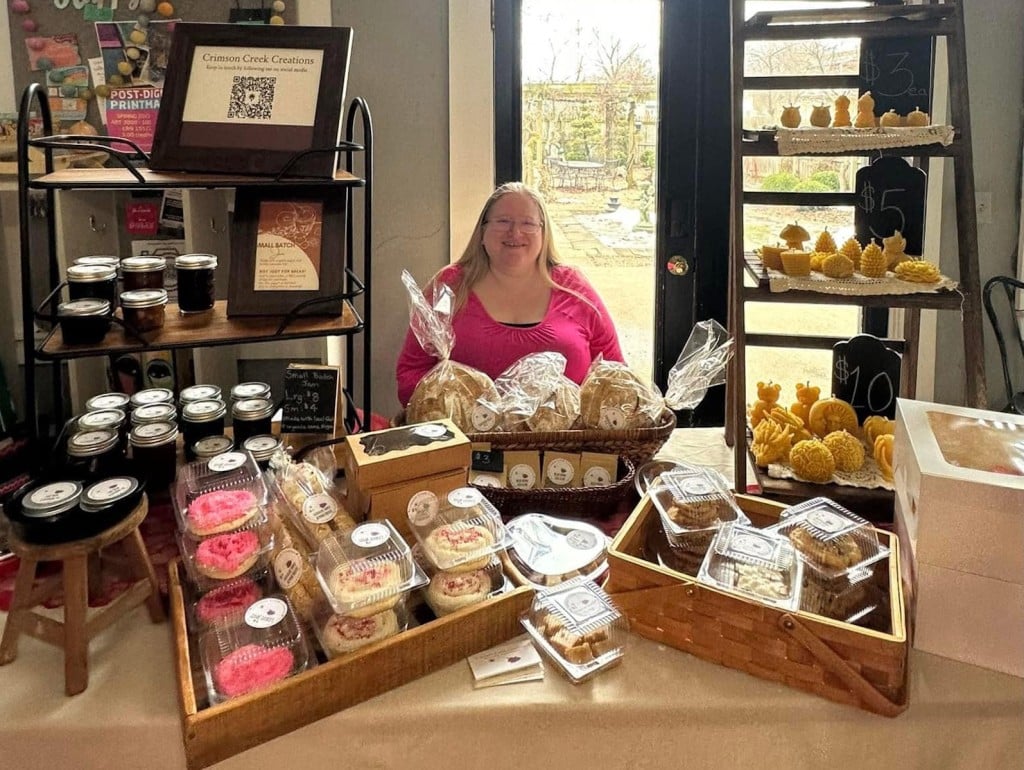
Crimson Creek Creations, a Vicksburg cottage bakery owned by Audry Loosier, has also supported the effort.
“Most Americans are one accident, health scare, or layoff away from being unable to provide for their family,” Loosier says. “Food security is a basic human right.”
Loosier says funding challenges facing government programs and small nonprofits make grassroots action increasingly important.
“When things feel hopeless and out of control, it’s important to act and make a difference, no matter how small,” she says.
How the process works
Requests for help are handled privately to reduce stigma. Walters coordinates each meal drop.
“A person reaches out to me on Facebook. I ask about family size and dietary restrictions, then schedule the closest Thursday,” she said. “If there are several people on the calendar, it can be up to two weeks.”
Walters, a disabled Army veteran who served from 2010 to 2015, says the experience has been deeply meaningful.
“I gave my body to my country and my heart to my community,” she says.
Building a village
Since July, the Vicksburg Dinner Train has completed 31 meal drops and inspired additional dinner trains across the region.
“It’s given me a stronger sense of community,” Walters says. “They say it takes a village. You can’t be part of a village if you’re not a villager.”
For those who want to help but are unsure how, Walters encourages residents to follow the group’s Facebook page.
“There’s always something someone can do — donate ingredients, make a meal, or help with delivery,” she says.

When asked what she would say to families hesitant to ask for help, Walters said she wants them to feel supported, not lectured.
“I wouldn’t want them to hear anything,” she says. “I’d want them to feel the community around them — because we’re here.”

Dale Krueger IV is a 25-year-old psychology student who lives in Southwest Michigan. He is passionate about telling stories about people who often get overlooked, and he looks forward to exploring his newfound love of journalism.
Related Articles
Fewer options, fuller ERs: The behavioral health fallout of Medicaid cuts
MHA advocates for state funding that preserves behavioral health care and keeps rural hospitals open.

Kalamazoo Cookie Exchange to celebrate Women’s History Month and support Black women-owned businesses
Community members will gather March 28 at Urban Exposure Garden for the Kalamazoo Cookie Exchange, a Women’s History Month event celebrating baking, neighborhood connection and three Black women-owned local businesses.

Battle Creek turns housing into a benefit for early childhood educators
A new initiative in Battle Creek will provide rent-free housing and a pathway to homeownership for early childhood educators, aiming to boost compensation, stabilize the workforce, and address the financial challenges facing one of the lowest-paid professions.