A Way Home — Housing Solutions: This story is part of Southwest Michigan Second Wave’s series on solutions to homelessness and ways to increase affordable housing. It is made possible by a coalition of funders, including the City of Kalamazoo, Kalamazoo County, the ENNA Foundation, and Kalamazoo County Land Bank.
Reach Sober Living, Inc. is expanding its sober home options, building more bridges for those crossing from addiction to recovery and a new sober life.
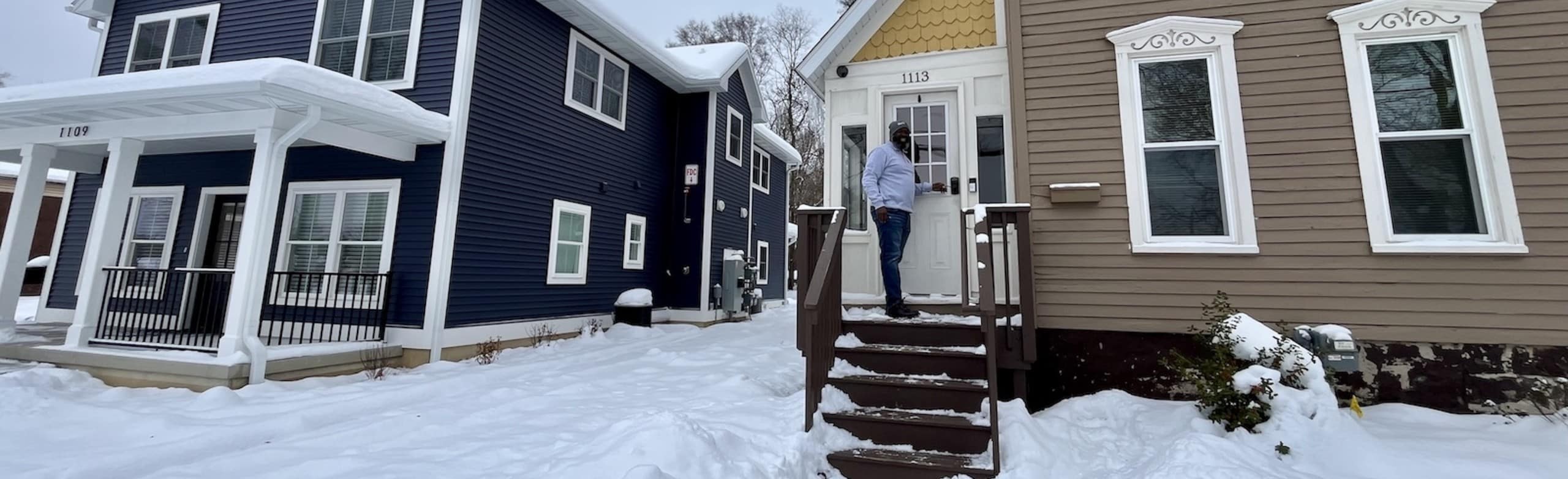
The Villas at Engleman, four units in the Eastside, are awaiting final inspections before they can house men ready to take their next step in sobriety.
Next door is Reach’s original sober living house, a group home for five men that opened in 2020. In 2024, they opened an eight-bedroom home on South Westnedge in Downtown Kalamazoo.
Plans are in the works for The Thompson House at 1134 Engleman, which would allow couples in recovery and help to reunify families. They’ll release the details in 2026.
Reach’s biggest project yet will be Phoenix Landing. An old factory building at 536 East Michigan will be renovated for mixed-use, with offices on the ground floor, a cabinet-making company employing people in recovery, and 24 units for people going through the Reach program.
Reach founder and CEO Chris Pompey says they have acquired the building, and he expects work on it to begin on it in 2027.
Easing Kalamazoo’s housing crisis isn’t Reach’s mission, Pompey says, but addiction and homelessness are often part of the same downward spiral. He says he knows this from his own history. (The program has seven community financial partners and received $100,000 in 2025 from the Kalamazoo County “Homes for All” housing millage.)
Steps to a sober life
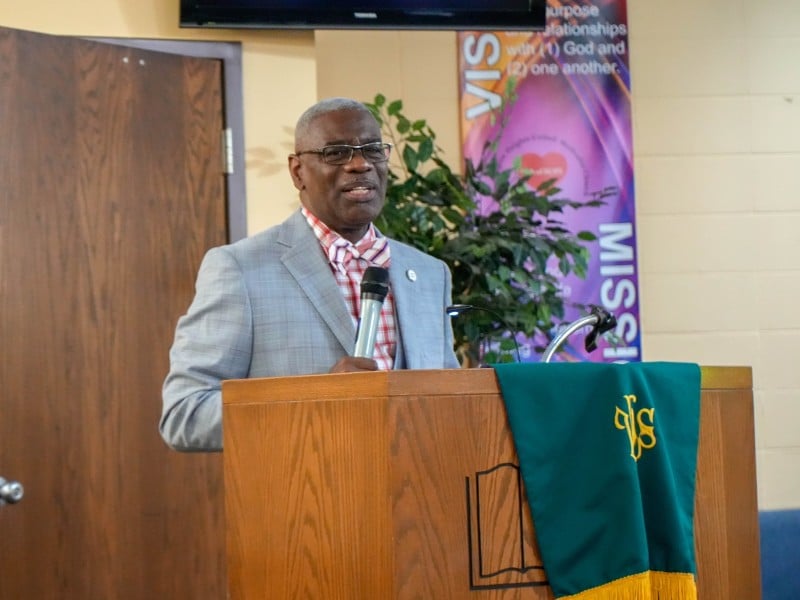
Reach is “a bed-to-bed organization,” Pompey says. “That means that individuals transition from drug treatment straight to sober living. And that helps with the interruption of individuals returning back to where they were before they went to treatment.”
If someone goes directly from detox back to the environment where they’d been using, “those environments aren’t conducive to recovery.”
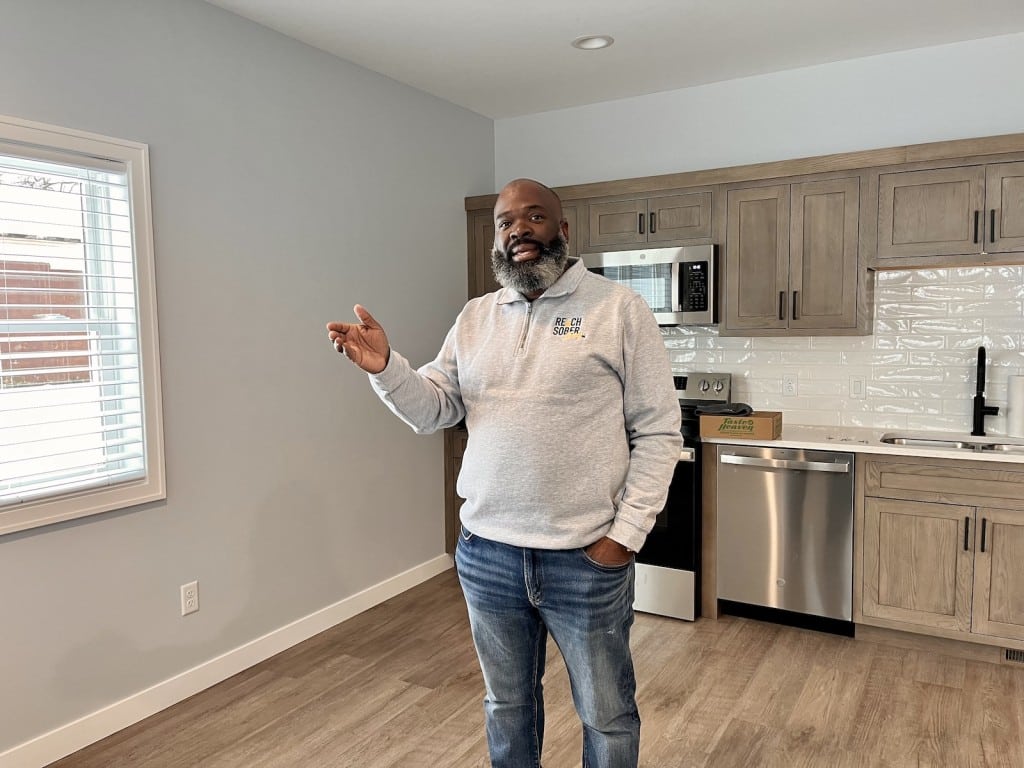
Pompey invited Second Wave on a tour of The Villas.
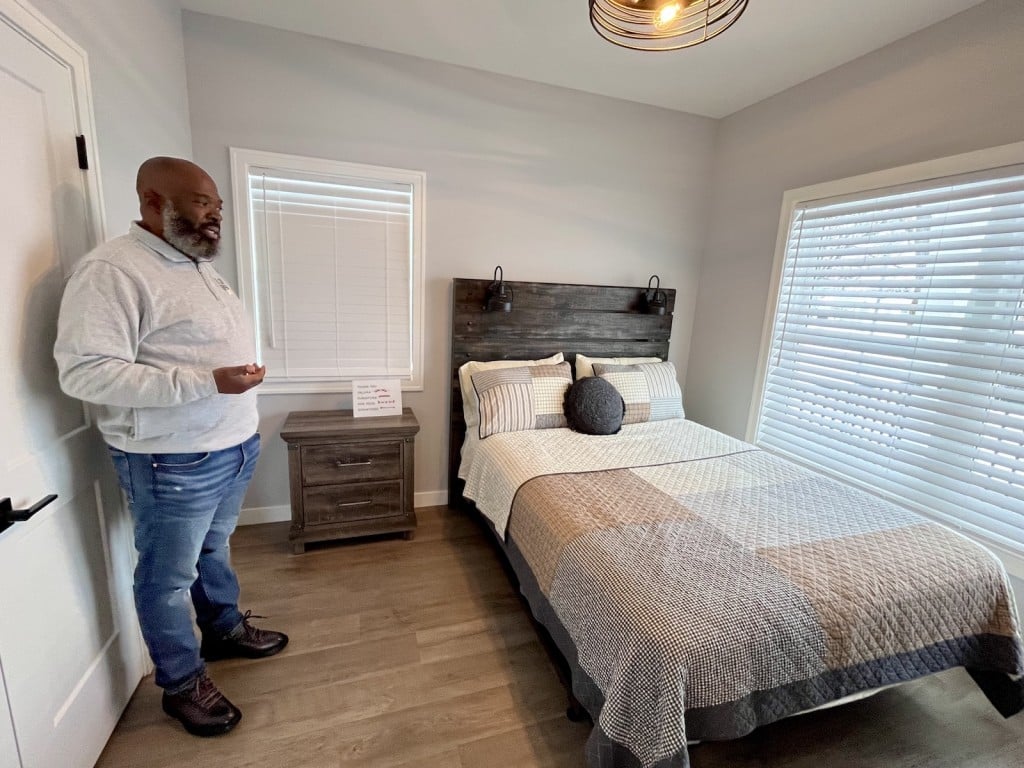
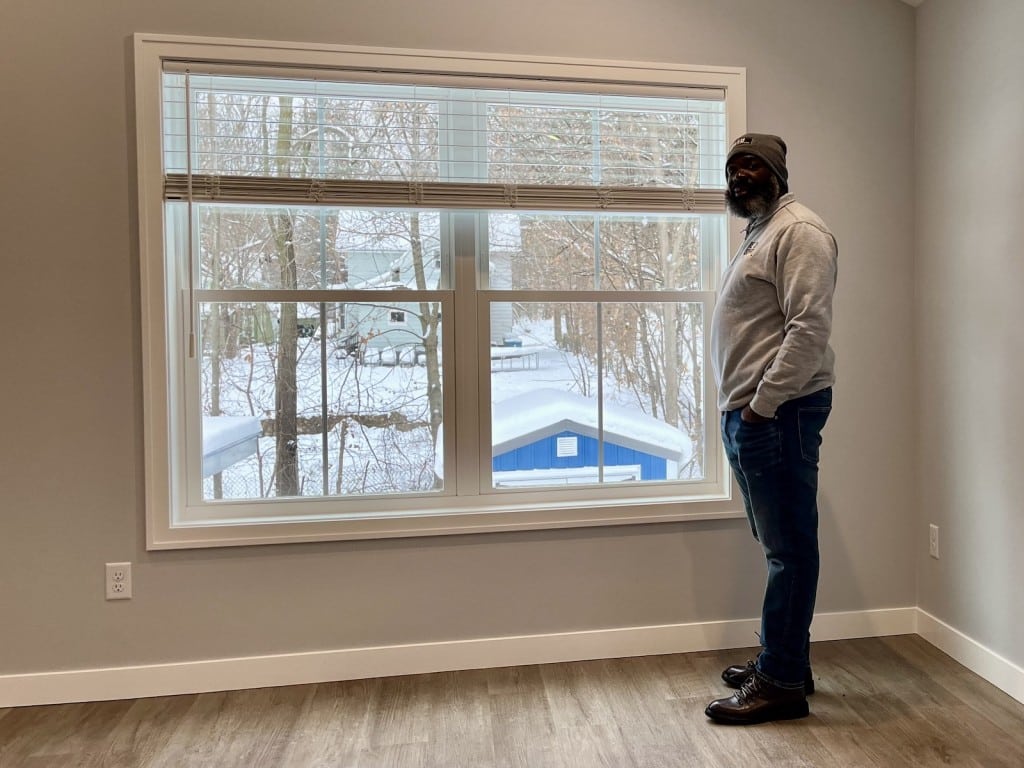
It still had that new-house smell. Four units, furnished, all appliances including washer and dryer in each. Talsma Furniture and other local companies donated interior touches. “My wife does all the decorating,” Pompey says.
“Our houses are homes,” he says. “They give individuals a feel of dignity, you know, and respect.”
The Villas is meant to be a next step, one into independent living, for men in recovery.
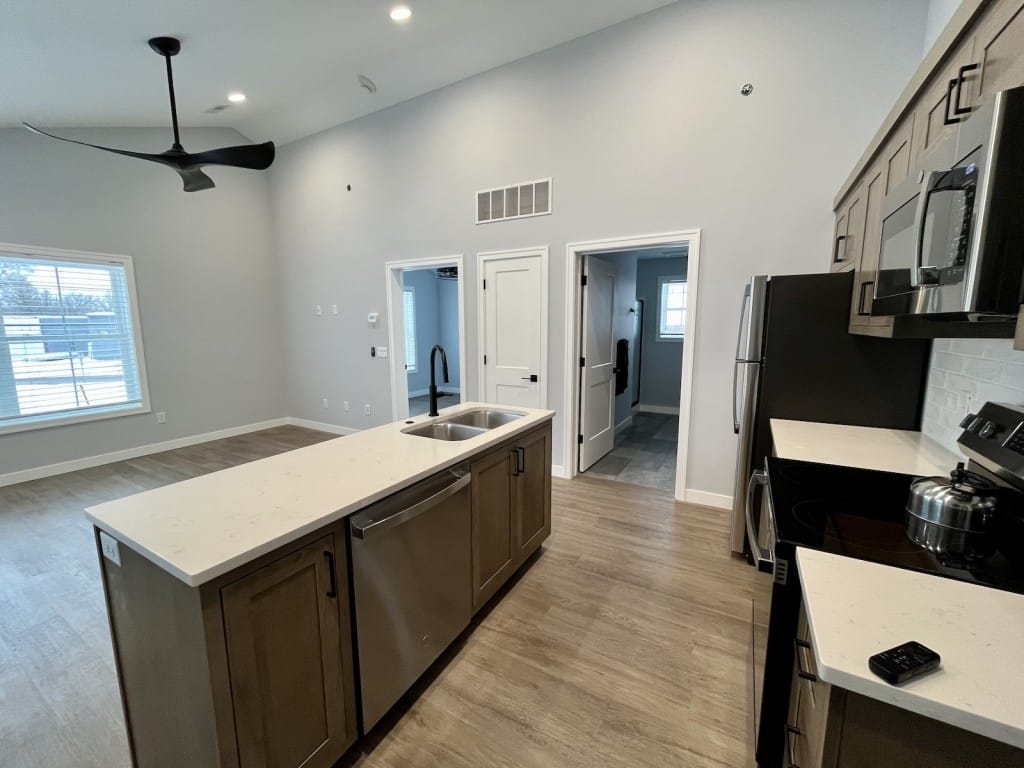
Next door is Reach’s first group home. There, everything is set up to guide residents into a structured life. Peers, who had been in recovery, work in its office as 24/7 staff. Residents turn in weekly schedules that show work, classes, meetings, church, and family visits.
There are rules at the group home that require employment after the first 30 days, attendance in required classes on financial literacy, and random drug testing. There are curfews. And overnight passes to stay off the premises must be earned.
If a new resident can’t find work, they’re directed into volunteer work or helping on Reach’s maintenance crew. An unemployed resident “might need a little bit more time, but he’s not sitting around,” Pompey says.
Reach is all about, “How do we get individuals to the next step. If they don’t get back employed, or if they’re not employable, then how do they become sustainable?”
Group home residents are given some agency. Their recovery is all up to them.
They write out their own schedules, Pompey points out. “It’s amazing to sit down with a guy after about four months, and you’re like, ‘Man, think about before you came in here. You didn’t even have a schedule. Now look, you have work, you have church, you got AA meetings, you got NA meetings, you got family visits, and so forth.'”

The Villas is the next step. Graduates of the group homes will be able to have independent lives, yet be next door to Reach’s staff if any issues come up.
Residents are meant to stay up to two years before moving on to a new life. An apartment there is priced to be affordable, $825 for everything — but there is a Consumers’ bill that will have to be put in a resident’s name, to help build a record of responsibility.
“Think about allowing an individual to stay here for up to two years,” Pompey says. What if, at the end, “nothing’s in their name. They’re saving no income. And then at the end of the two years, we say, ‘Time to go.’ Where are they going?”
Their past financial records are likely a disaster, with no credit record or with massive debts, and a history of evictions.
“One of the things we do here at The Villas is we specifically ensure that within the two years they’re working with a financial literacy officer, first and foremost. They have up to one year of employment before they even come into the Villas. And we also ensure that it’s affordable for them,” he says.
“And then we have some community partners that assist with some funding so that if there’s any gap in employment, we can cover all their bills for them until they get back employed.”
‘That’s real’
Reach has helped people from degreed professionals who had lost comfortable lives due to their substance abuse disorders to people who’ve been chronically homeless.
“I often think of one of my guys that graduated a couple years ago, and he used to sit on the sofa next door and look out the window, and he said, ‘I lived right over there under that bridge (nearby under East Michigan, on the Kalamazoo River Valley Trail) for like four years,'” Pompey says.
He thinks of his own drug addiction. Pompey has been sober for over 20 years. But he grew up in “the heroin capital at one time, Baltimore, MD.”
We might only know of that world from “The Wire,” but for Pompey, it wasn’t a TV show. “That’s real,” he says.
“You know, I would have never thought my bottom would look the way it looked, right? I didn’t have substance abuse in my household. Me falling into addiction wasn’t something my family saw coming,” Pompey says.
“I started selling drugs real early in life. I was 14, and I became addicted to heroin…. Addiction didn’t run in my family. But it was in my community.”
He became homeless for a time. “I remember losing everything. I remember having nowhere to stay. I remember family members closing their doors because I burnt all the bridges. And I think some of our homeless population, a good portion of them, went through that. There’s nowhere to go.”
A perilous time for an addict in recovery is when they’re taking their first steps into a new, sober life.
Pompey tried sobriety many times in Baltimore. Then he moved to Michigan. He went to Muskegon, got in “a one-year Christian growth program, and that’s where I got clean and sober.” He got a job with Foot Locker, landed in Kalamazoo, and started a family.
NIMBYs
Ten years ago, Pompey started his mission of helping addicts in recovery. He wanted his recovery houses to be in Kalamazoo neighborhoods, in environments that connected residents with community, in houses that felt like homes.
Pompey got a lot of pushback “because of NIMBY, ‘not in my backyard,'” he says. “Everywhere we went, people would come out in droves at the zoning hearings. Through the grace of God, six years ago, I found this street right here, Engleman.”
The short street between East Michigan and Gilbert Ave., though near residential streets of the Eastside, is zoned for commercial use. His recovery house plan fit the zoning.
Some people might not feel safe knowing there are former drug users nearby. What would Pompey say to them?
“There’s no one that has not experienced some level of connection with someone that has a substance abuse issue. So, I often say, when you think about that person at their core, do you see that (substance abuse)? No, you see your loved one, you see a friend, you see a neighbor, that individual that you went to school with before the addiction, they’re still that person. They’re still lovable, and they still deserve dignity,” he says.
“What some people don’t realize is that many of your professionals are some of these people. Your doctors, your lawyers, your teachers. Because we have them right here at REACH.”
He’s talked to neighbors of the Engleman house, who had no idea it was a recovery house. “Where are they at?” a neighbor asked him.
“Where are you at every day?” Pompey replied.
“I go to work.”
“They do, too,” Pompey told him.
“The distinction of the sober homes is intentionally residential, because we are already your neighbors, anyway. “
Rewiring brains
“People often group recovery housing into the same conversation of housing for homelessness,” he says.
But there’s a distinction. “Recovery housing is part of the levels of care for people going through drug treatment. Recovery housing isn’t specifically a part of a level of care for the homeless population.”
Then again, he knows that “drug addiction and homelessness have a direct correlation. Some people are homeless because it’s a direct result of their suffering from substance abuse and mental health (issues). But they have to go get treatment in order to begin their recovery process.”
Kalamazoo Gospel Mission, Hope Through Navigation, and other groups refer people who’ve been homeless to Reach so they can take their next step in recovery. It’s challenging for Reach to help someone who’s been chronically homeless, yet Pompey knows that if they go through initial detox, then go back out on the street, then they’ll be back to where they started.
If the chronically homeless move into Reach homes, Pompey says he sees individuals who are stuck in a certain “psyche.”
“Even if they go to drug treatment, when they come to us, we still see those factors showing up,” he says.
“They come into the home, they have some belongings, their belongings are still in the bag. And the staff will say, ‘You have a room, let’s get your stuff out of the bag. We’re running it all through the bug box heater (to get rid of any parasites). We’ll get it all washed up if it needs to be washed.'”
They get a room, a dresser, and a closet, yet, “You’ll see them put it right back in the bag…. They’re so psychologically used to being homeless. And they’re so used to living out of that bag, that that’s their life.”
It takes a lot of effort and time to convince them, “So now you have a room. Now we have to build a routine to build recovery capital, social capital, community capital. Right? We have to get you back employed. We have to get some financial literacy,” he says.
“Think about all that you’re throwing on a person who just came from homelessness. That’s a lot. So you have to be careful when we’re talking about programming sometimes. Who fits? What’s the criteria?
“Sometimes, as organizations, we set barriers for these individuals that cause them to trip up. So, one thing we try to do is make sure in our evaluations and our screenings that we bring in the right individuals, that we don’t hurt. Because they already come in with barriers.”
“If I was using drugs for 10, 15 years, however long I was using them…. Drug treatment is only 28 days, if that. And then I land somewhere, and then they tell me, ‘Okay, go back to work. You got to get a job.’ How? I’m still working to rewire my brain.”
It might be a cliché elsewhere, but it’s a truism in his business — one step at a time. Pompey makes clear that Reach is intentional and careful with each step, from the first to the last.
Author

Related Articles
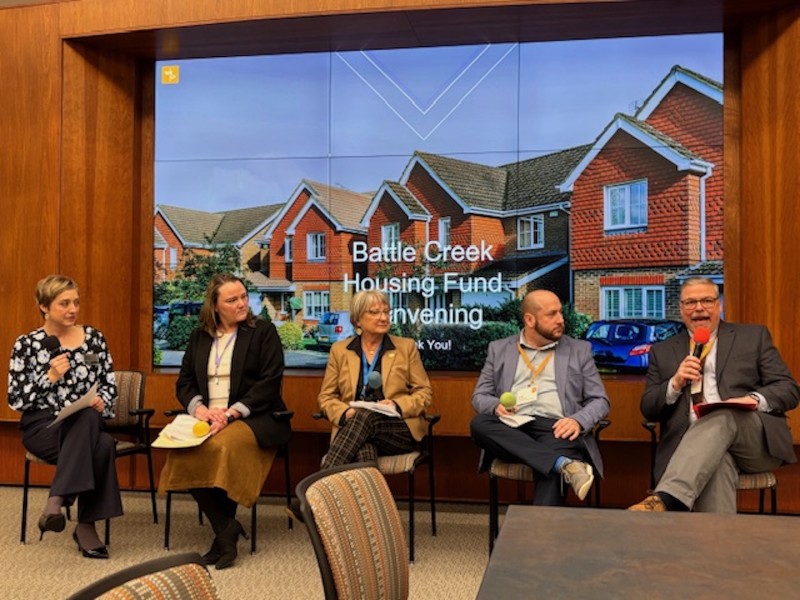
Battle Creek unites to build 1,000 homes and power economic growth
Battle Creek leaders launched a new Housing Fund to address a 3,000-unit shortage, aiming to build and rehabilitate 1,000 homes by 2035 to boost workforce growth and community stability.
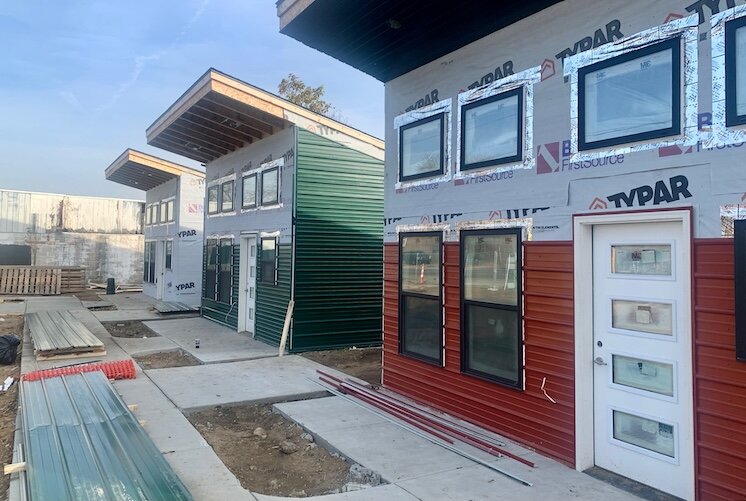
As federal funding for housing shifts, Kalamazoo pulls together to keep people off the street
Kalamazoo County finds ways to keep programs for the unhoused and those at risk of becoming homeless up and running as federal funding becomes uncertain.
Financial literacy efforts target homeownership disparities in Calhoun County
The Southwestern Michigan Urban League has launched a new financial literacy initiative in Battle Creek and Calhoun County aimed at equipping underserved families — particularly People of Color — with the knowledge and tools needed to build wealth and achieve homeownership.