Living with a disability is expensive
From buying a car to getting groceries, these necessities cost more when they need to adapt to someone who uses a wheelchair. Lucia Rios explains the hidden costs of living with a disability.
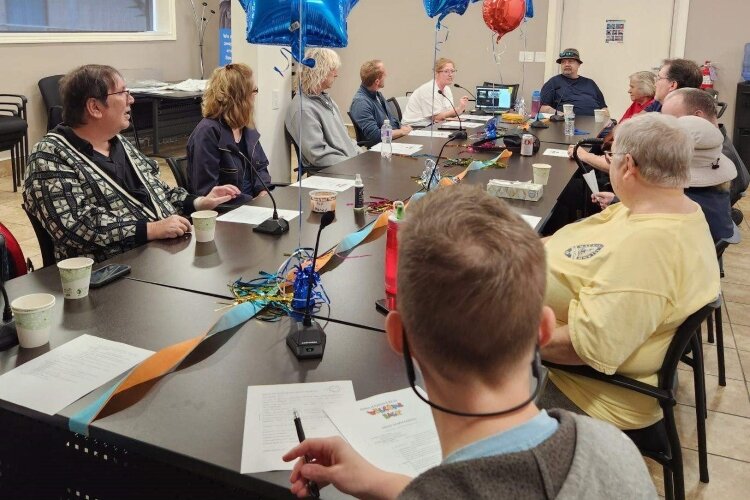
After going virtual during the pandemic, the brain injury support group hosted by Disability Network Southwest Michigan has shifted to a hybrid model as in-person meetings resume so more people can attend.
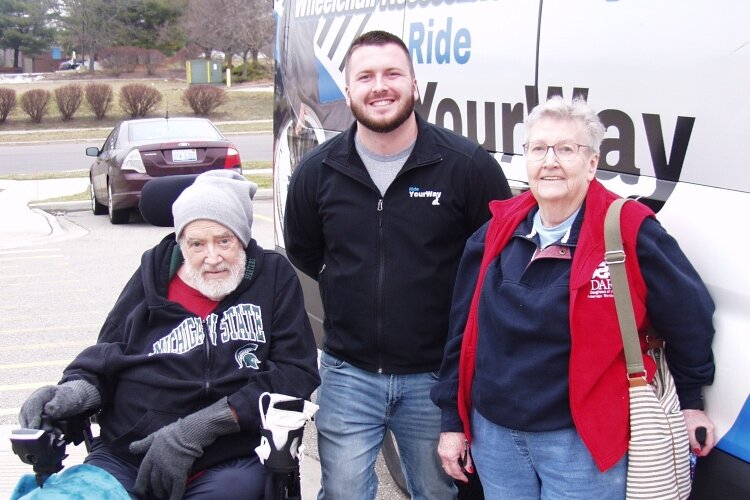
Last year demand for Ride YourWay grew nearly ten-fold. The company now has seven wheelchair-accessible vans and one ambulatory sedan to serve clients from Muskegon to Kalamazoo.
Michiganders who are blind or visually impaired can now apply to receive an audible currency reader at no cost through the Michigan Braille and Talking Book Library.
For more than a decade, DHHS has hosted Signing Santa for children who are deaf and hard of hearing so they can more fully experience the holiday tradition.
The app comes on the heels of MUVE’s recent announcement of its partnership with the state of Michigan, with the launch of a new transportation ecosystem application redefining mobility for people of all abilities.
Kenzie's Be Café is a nonprofit coffee shop in Grand Haven that provides meaningful employment for individuals with intellectual and developmental disabilities.
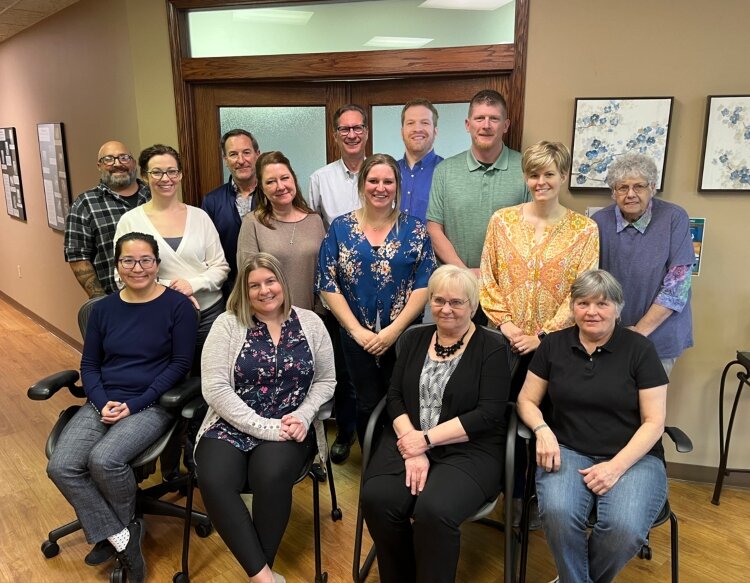
As Disability Network Lakeshore marks its 30th anniversary, it credits its longevity to the commitment of volunteers and staffers who are dedicated to serving residents with disabilities in Ottawa and Allegan counties.
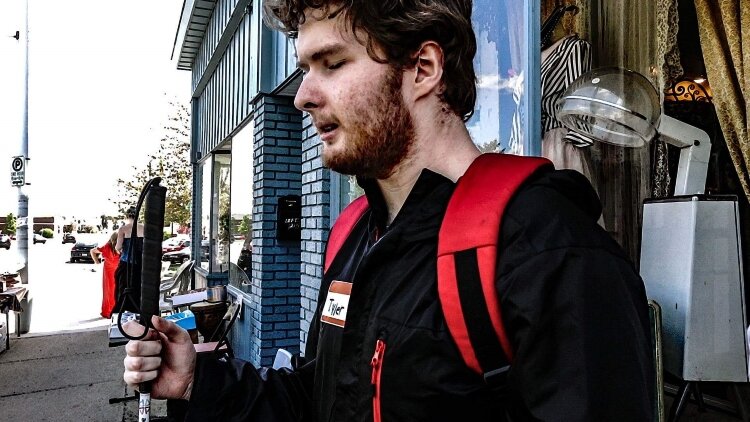
Grand Rapids singer Tyler Zahnke was one of 10 music students who are blind selected to attend the SongSight event with Scott MacIntyre, of “American Idol” fame.
According to the most recent study, by the Michigan Department of Civil Rights, 733,356 Michiganders — about 7.4% of the state population — identify as deaf, deaf-blind, or hard of hearing. In West Michigan, 8% of residents identify as members of that community.
Our Sponsors
Our Media Partners