
Grief in isolation: Michiganders navigate a disrupted grieving process during COVID-19
In the absence of many traditional, in-person rituals, the pandemic has forced many to grieve in extremely unusual ways.
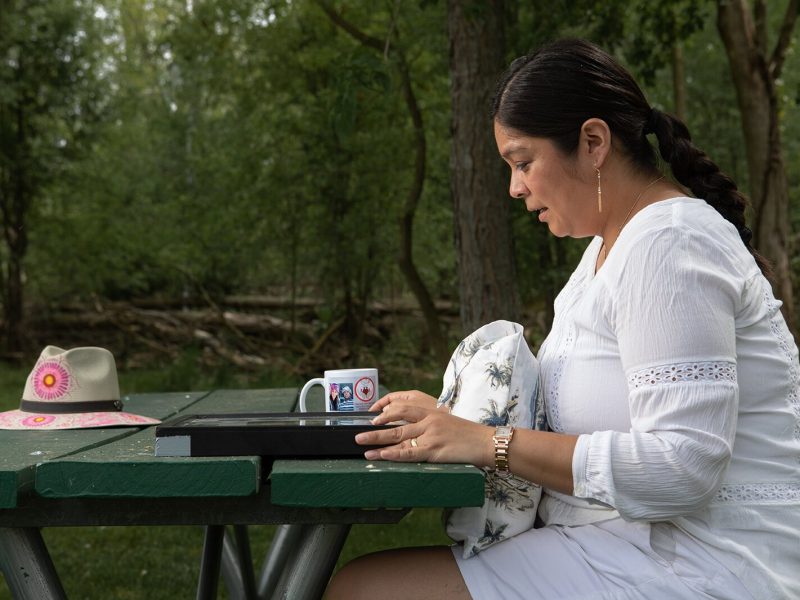
In the absence of many traditional, in-person rituals, the pandemic has forced many to grieve in extremely unusual ways.
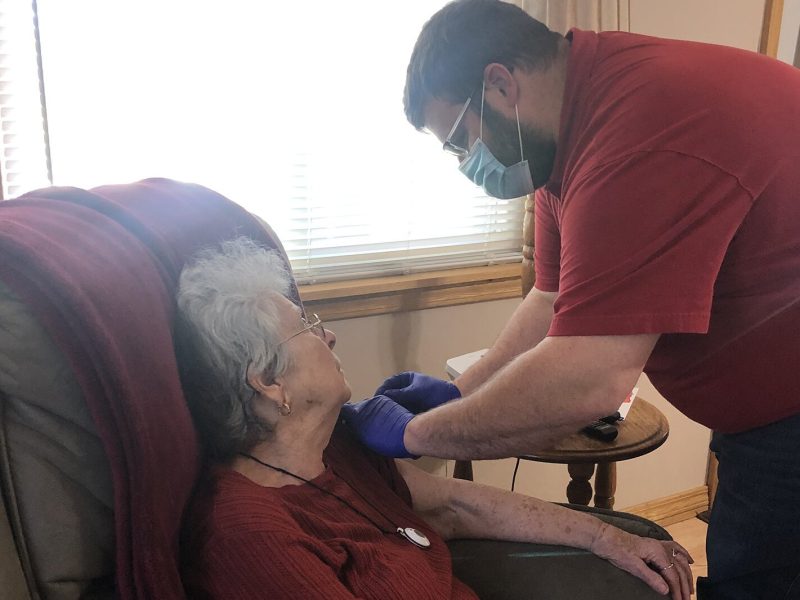
More than 21,000 of the state's estimated 110,000 homebound residents have received their shots through a state initiative in partnership with local agencies.

Despite the tragedy, COVID-19 in Michigan is also a story of people rallying, innovating, protesting, and collaborating to meet needs for food, housing, medical care, education, and equity.
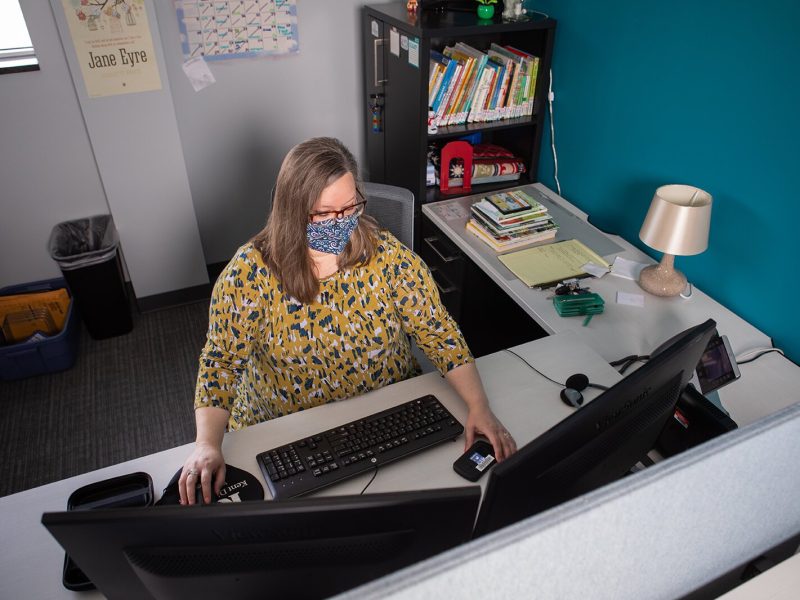
Michiganders who are older, live in rural areas, or have income challenges may have trouble navigating, accessing, or affording the technology they need to keep their telehealth appointments.
If you are an undocumented immigrant in Kalamazoo County who has been affected by COVID-19 the MI Gente fund can help. And you are eligible to be vaccinated, too.

Vaccines are not the only way to ward off COVID-19. A Kalamazoo doctor is among those spreading the word on the value of alternate treatments, monoclonal antibodies, for those who have tested positive for the virus. It helps keep them out of the hospital and reduces deaths.
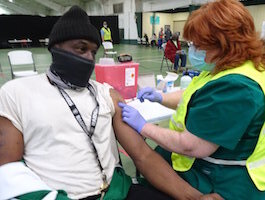
Education efforts need to be stepped up to overcome reluctance to obtain COVID-19 vaccination, Calhoun County leaders say.
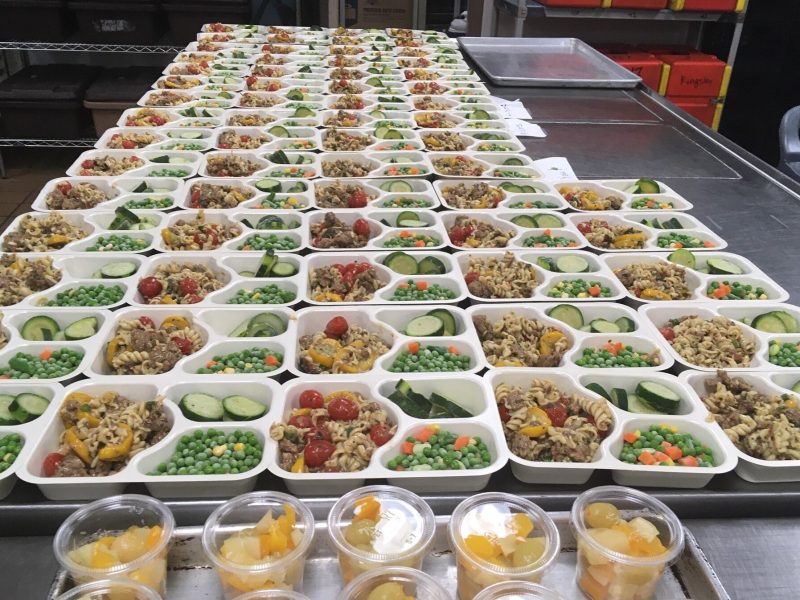
The program also delivers healthy meals to patients via Meals on Wheels for 10 days and provides other resources to connect patients to fresh, nutritious food.
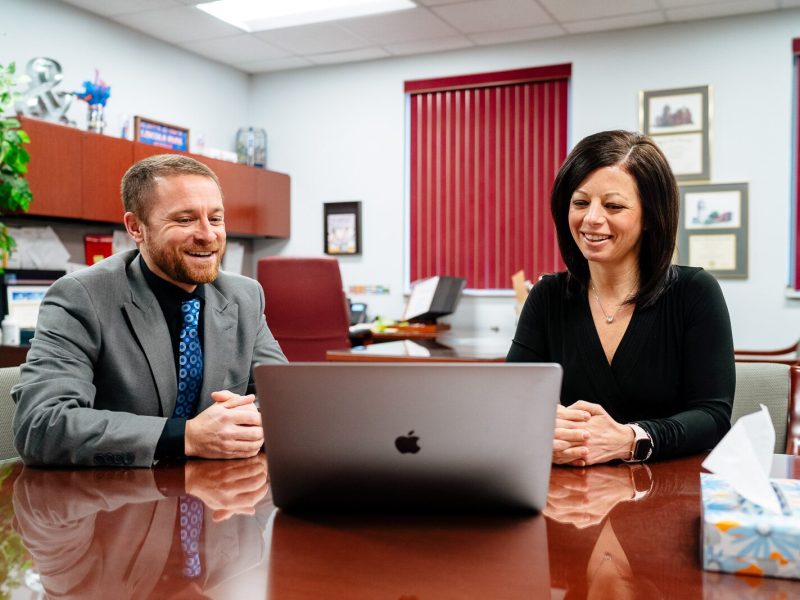
328 Michigan public school districts and charter schools have received dollars from the new state fund to support students' mental health and bridge the digital divide.
Given the history of abuse by the health care system in the United States, there are understandable reasons for People of Color to be cautious about the COVID-19 vaccination. Battle Creek leaders hope with more information that suspicion can turn around.
Our Sponsors








Our Media Partners





Common Ground Is Brewing
Support local stories and receive our signature roast straight to your door when you join at the Standard level (or above).
Drink Better, Read Local
