
Upper Peninsula program helps moms with opioid use disorder have healthier pregnancies
The program's goal is to identify and address the social determinant of health needs that create barriers for women with opioid use disorder.

The program's goal is to identify and address the social determinant of health needs that create barriers for women with opioid use disorder.
Many in the Upper Peninsula and northern Lower Peninsula live in areas with a serious lack of resources, facilities, and practitioners for pregnant people, new parents, and infants.
A recent collaboration is working to address the many challenges faced by medically fragile foster children, who may live with chronic disorders or developmental disabilities.
Health care providers repackaged existing community services that enabled older adults to stay in their homes if they came down with COVID, or return home more quickly if they were hospitalized.
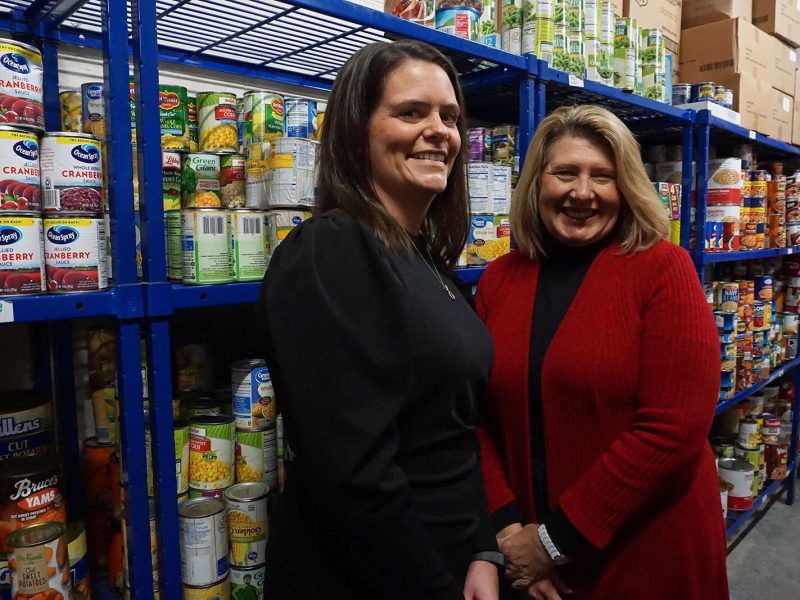
The Michigan Health Improvement Alliance is taking a new approach to addressing food insecurity in the 14 heavily agricultural counties it serves in central and eastern Michigan.
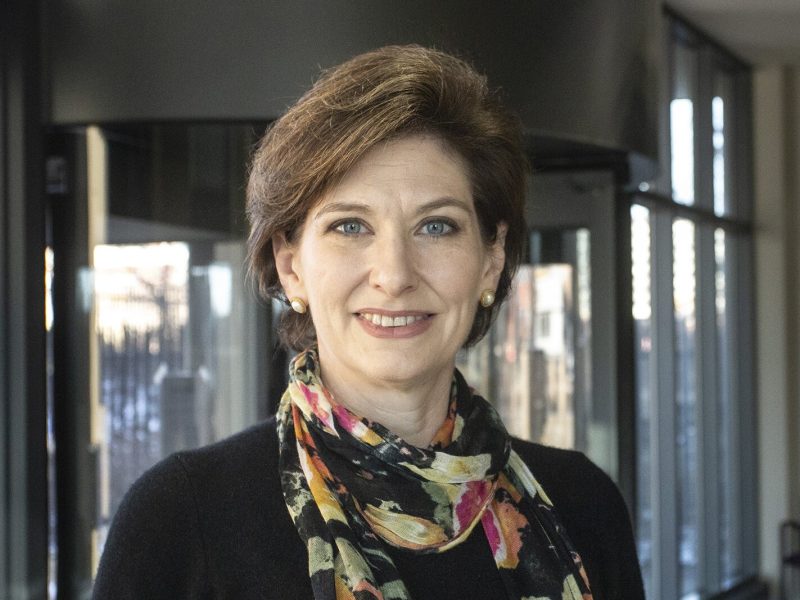
The Michigan Department of Health and Human Services is developing a standardized, statewide indicator to track not only an individual's homelessness risk but also their medical fragility.
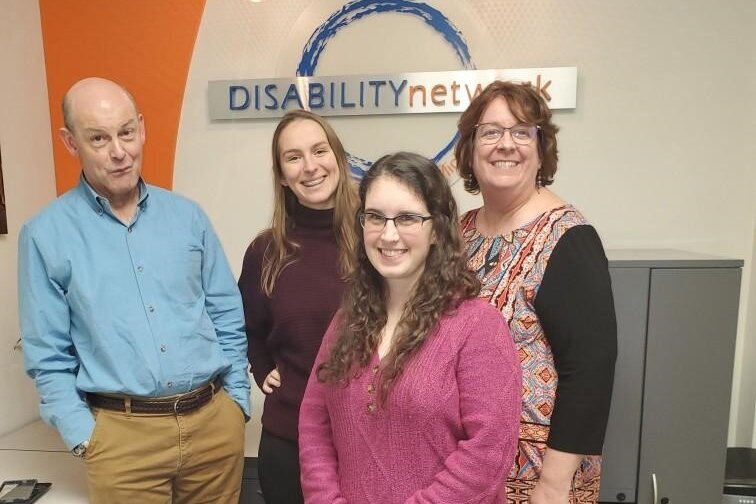
Every day, people with disabilities find the support and help they need — quickly, conveniently, and free of charge — because of information and referral services.
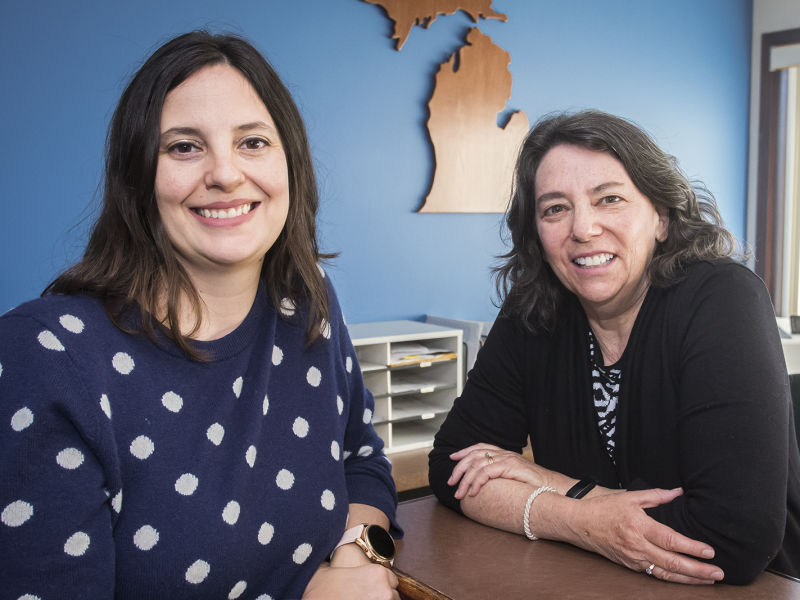
Michigan providers and activists are working hard to ensure the guardianship system effectively serves Michigan's older adults.
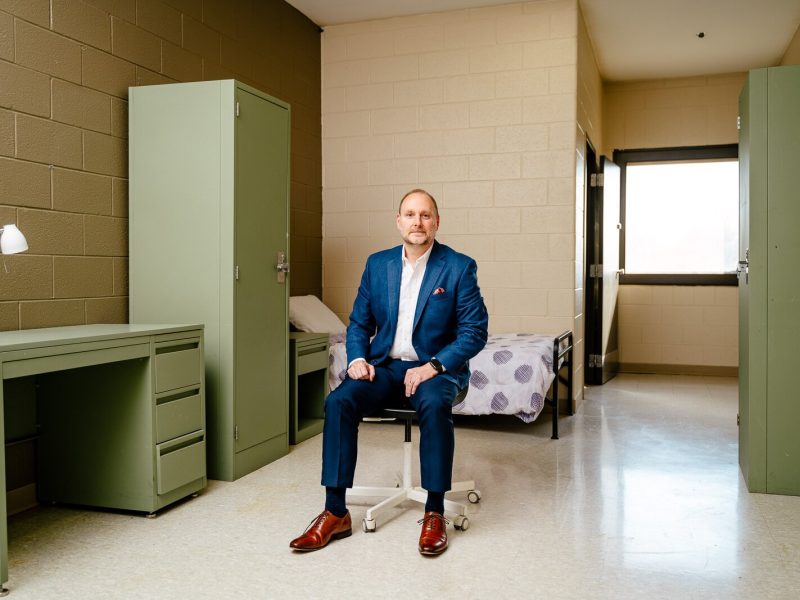
A handful of Michigan facilities offer daily wound care, help filling and taking prescriptions, or support with substance use disorder treatment for those in need.
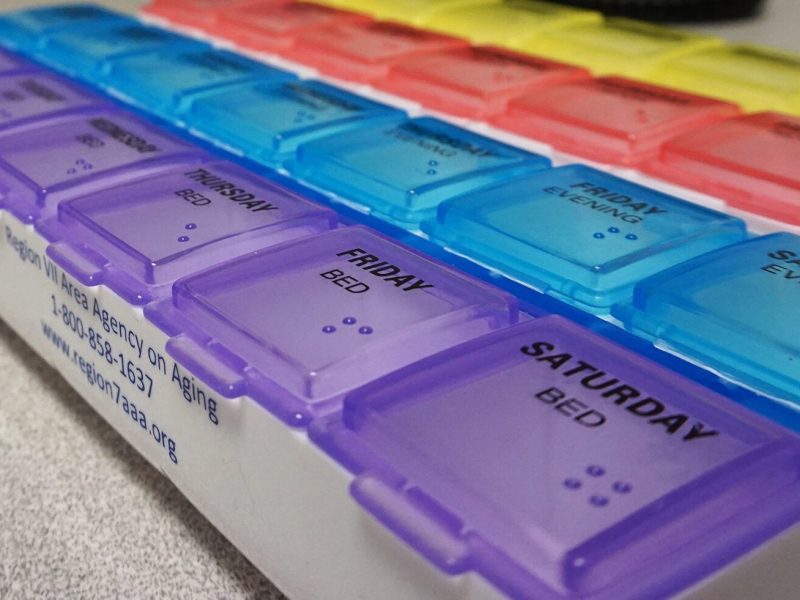
Starting in 2023, the act will lower prescription drug costs for people with Medicare, cap out-of-pocket costs at $35 a month for insulin, and allow over-the-counter sales of hearing aids for the first time.
Our Sponsors







Our Media Partners





Common Ground Is Brewing
Support local stories and receive our signature roast straight to your door when you join at the Standard level (or above).
Drink Better, Read Local
