It’s scholarship season at the Battle Creek Community Foundation
Battle Creek Community Foundation scholarships help local students like Nylayiaha Smith afford college and inspire them to give back to their community.
Editor’s note: This story is part of Southwest Michigan Second Wave’s On the Ground Battle Creek series.
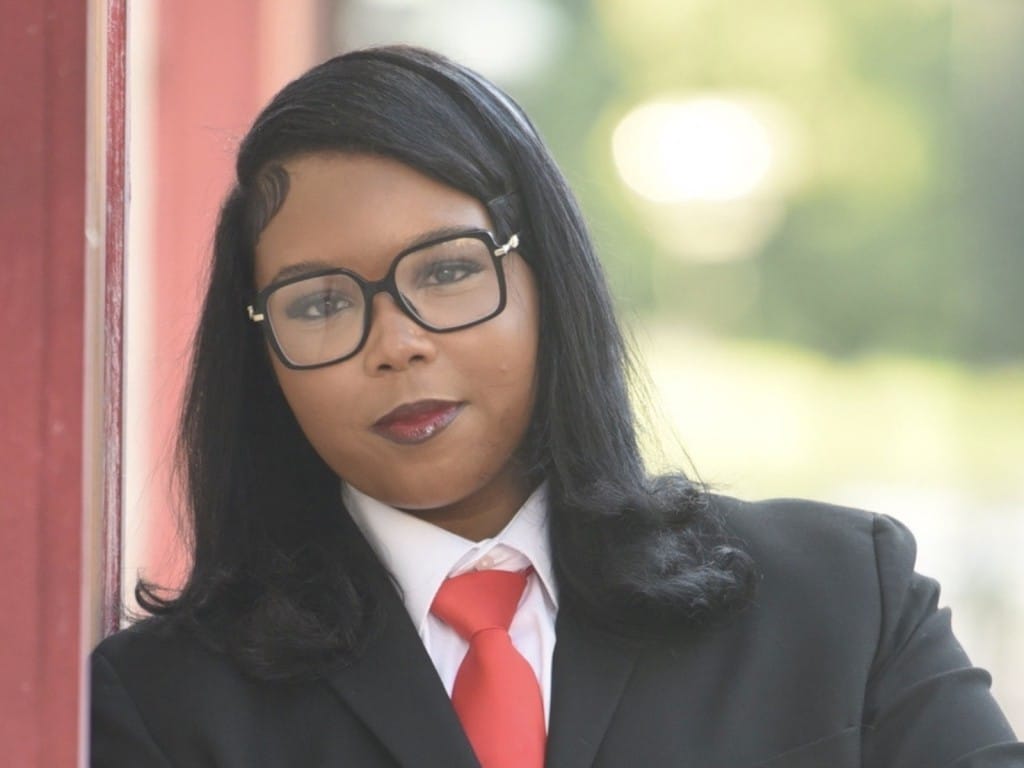
BATTLE CREEK, MI — Nylayiaha Smith had her sights set on attending Clark Atlanta University after graduating from Lakeview High School in 2021. A scholarship from the Battle Creek Community Foundation helped her get there.
A first-grade teacher at Fremont International Academy, Smith says, “Initially, my college’s tuition was very, very high, and I knew I needed financial assistance, and I knew BCCF had scholarships available to help me.”
The scholarship that Smith received was one of more than 350 offered through BCCF. These scholarships are available to graduating high school seniors and adults, including those who are non-traditional students, says Celia Compton, BCCF Scholarship Program Officer.
The scholarship application process opened on December 1 and continues through March 1. In addition to four-year educational institutions like the one Smith attended, the scholarships may be used to earn a degree at two-year schools or certifications in areas including Skilled Trades.
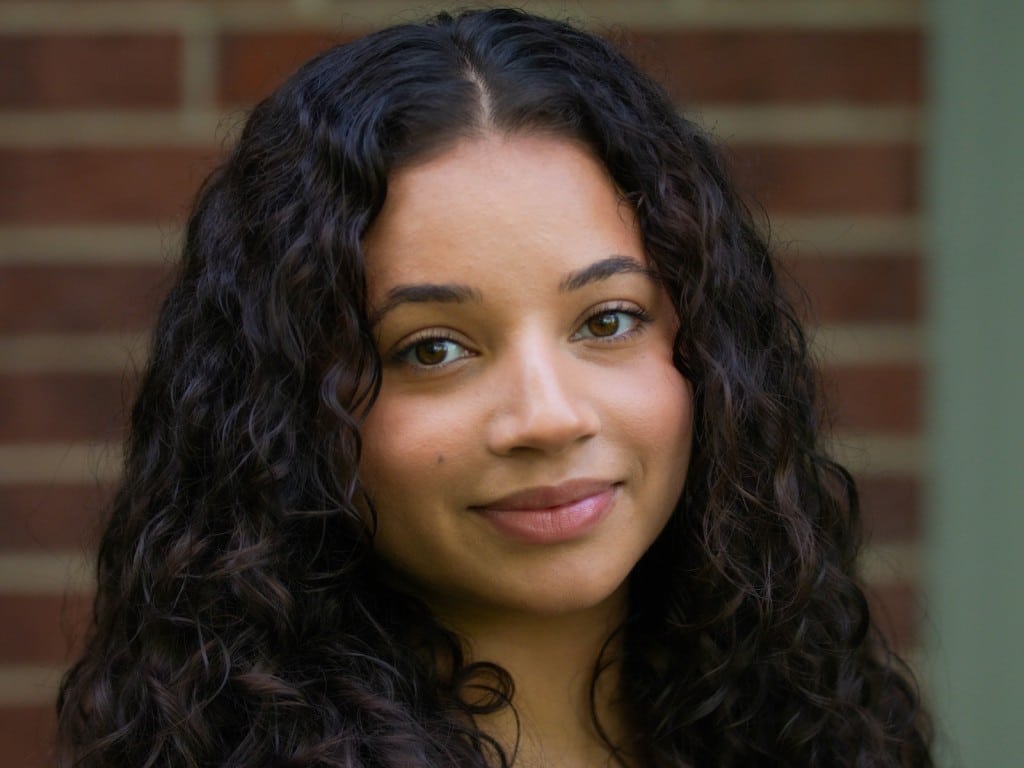
“We explain to students that they can explore the skilled trades with our scholarships,” Compton says.
The top fields of interest have remained consistent over the last two annual scholarship cycles, with careers in healthcare among the more popular, says Joann Farnham, Senior Scholarship Program Officer for BCCF and Executive Director for BCCAN (Battle Creek College Access Network). Business, engineering, human services, general studies, and arts and communications are among the other areas of study that scholarship applicants gravitate towards, she says.
This year, 700 applications were received, which was 200 fewer than the previous year.
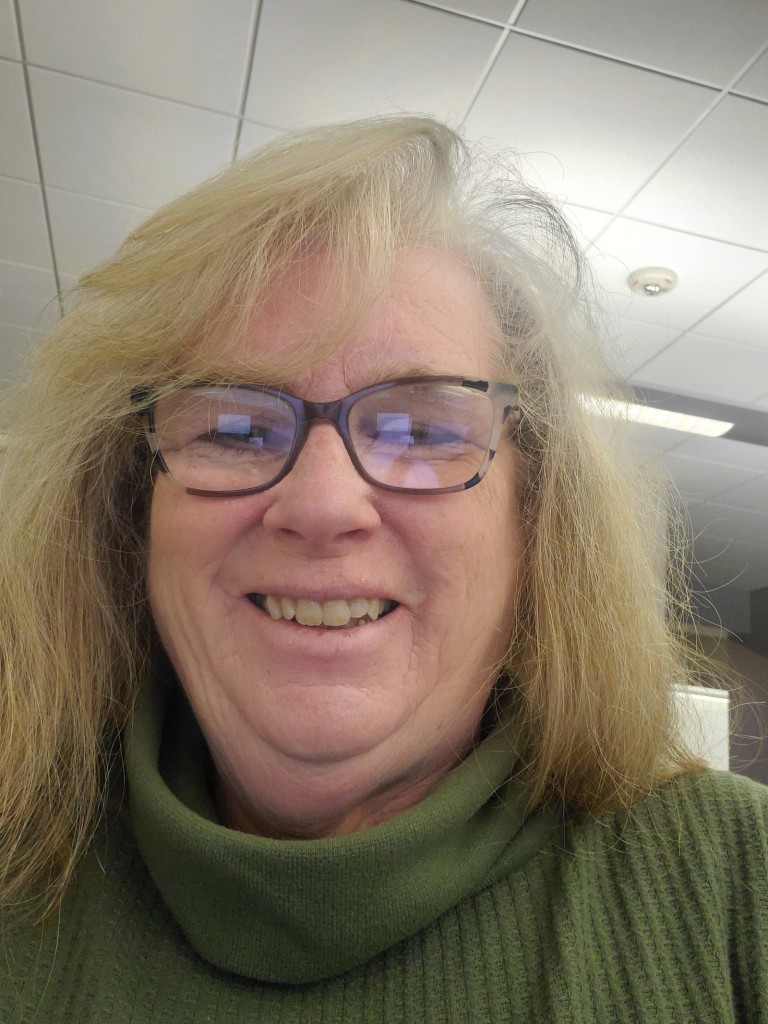
“Scholarships are a lot of work for applicants to fill out because they’re time-consuming. A lot of foundations don’t do it because they have to have large deposits of funds,” Farnham says. “Donors have restrictions. The more restrictions, the less applicants. We try to keep the application process as general as possible.”
Compton says BCCF also simplifies the process through the use of a Universal Application.
Students fill out one application for multiple scholarships. They’re not necessarily seeking a specific one,” she says. “Based on their fields of interest, the universal application automatically sifts through the different scholarships to find out what they’re eligible for.”
Dollar amounts range from $200 to $10,000, with the latter typically disbursed over a four-year period of time, Farnham says.
“It’s a nice amount of funding if students receive multiple awards,” Compton says. “About 40 percent of our recipients receive multiple scholarships.”
Committees composed of volunteer community members, including those representing local nonprofits, award the scholarships. This process has been ongoing on since 1975, one year after BCCF was founded.
“There’s potential eligibility for more than one award, and these committees really try to spread the awards as well as they can,” Farnham says. “They do a good job of packaging the different scholarships to ensure that it’s equitable across the board.”
An estimated 36 percent of applicants identified themselves this year as first-generation college-bound students. Compton says this information is gleaned through submissions of FAFSA (Free Application for Federal Student Aid), which students are asked to submit as part of the scholarship application process.
Another area of growth has been in the number of adults applying for scholarships.
“This grows every year,” Farnham says. “I think it’s because people want other options and ideas for different careers. Programs like Michigan Reconnect have sparked interest in going back to school.”
Coming full circle
BCCF’s Scholarship team is very intentional about connecting with all area schools and nonprofits to ensure that the community is aware of the different scholarships available. They also work closely with higher-ed institutions, including Michigan State University and Grand Valley State University.
“We reach out to all of our high schools in the area and work with students in the classroom,” Farnham says. “We provide scholarship assistance during FAFSA events we host. We also do workshops, and we do have people who call us for information and assistance.”
Smith was made aware of the scholarships available through BCCF by a mentor she had for an Upward Bound program at Battle Creek Central High School, which she attended for the first two years of high school.
That mentor also exposed Smith and other students to Clark Atlanta University.
“Once I knew where I wanted to go, I applied for as many scholarships as possible,” she says.
Not attending Clark Atlanta University was never an option because Smith says her mother “would find a way or make one.”
It was a relief for them both when the BCCF scholarship covered tuition costs not covered through financial aid.
“Most of our scholarships cover anything that can be charged to a student’s account. Tuition and fees are covered first, and then it’s anything else students may need after those needs have been met,” Compton says. “We’ve helped students with costs associated with needs like parking passes, books and supplies, and meal plans.”
“We’ve helped our trades kids with supplies, tools, and work boots,” Farnham says.
Although it’s by no means a requirement of any scholarship, Compton and Farnham say it’s always a hope that local students who have benefitted from these scholarships will come back to Battle Creek and establish careers in their hometown.
“I would like to think that students seeing how well they’re supported in this community in a wraparound way would incentivize them to come back to their community,” Compton says.
Smith says she always knew she’d come back.
“My thought was to always come back and pour back into my community,” she says. “It’s my community, and it’s my duty to come back and make it better. I want to show my students that they have someone here that actually cares, not just about the educational aspects. Even if they’re only in first grade, there’s still a lot of things going on in the home. I want them to know I’m not just here to make things harder.”
Recipients like Smith are an example of the scholarship program’s mission to fill gaps and help with the needs of students in the community so they can pursue a post-secondary or other type of education, so that they can grow their knowledge, Compton says.
“A major part of growing a community is standing behind those kids,” she says.
Author
Related Articles
Pulp & Press Lit Arts Fest brings world-class authors to rural Southwest Michigan
A new literary festival is coming to Vicksburg this spring, but the idea behind it reaches further than just arts programming.
First generation Burmese children “Catching the Dream” in Calhoun County
Early learning center reflects children’s home languages, cultural practices, and supports first-generation families.
From blue light to green light: Former Kmart site set for affordable housing and childcare
Eight years after plans began, redevelopment of the former Kmart site in Battle Creek is moving forward with an 80-unit affordable and workforce housing development with an on-site childcare center, backed by tax credits, philanthropic support, and local partners.