Health equity means reaching beyond the healthcare system
Addressing language barriers, housing, education, transportation, and economic opportunity are essential to increasing health equity.
For thousands of Michigan residents, the greatest barriers to better health begin long before they enter a doctor’s office. They emerge when families cannot afford stable housing, when uninsured patients postpone essential medical appointments, or when young people experiencing community violence return to the same conditions that contributed to their injuries.
Across Michigan, community-based organizations are working to change those circumstances by addressing the social and economic conditions that shape health outcomes. Despite statewide progress in expanding health insurance coverage, barriers related to poverty, housing instability, community violence, and access to affordable, culturally responsive care remain. While these organizations’ approaches differ, their missions share a common understanding: Improving health equity requires more than access to traditional healthcare services. It requires meeting people where they are and removing the barriers that prevent them from living healthy, stable lives.
Three of these Michigan organizations — Exalta Health in Grand Rapids, Haven of Rest Ministries in Battle Creek, and Detroit Life Is Valuable Everyday (DLIVE) — are demonstrating how investments in accessible healthcare, housing stability, mental health, and violence prevention can create pathways toward healthier communities.
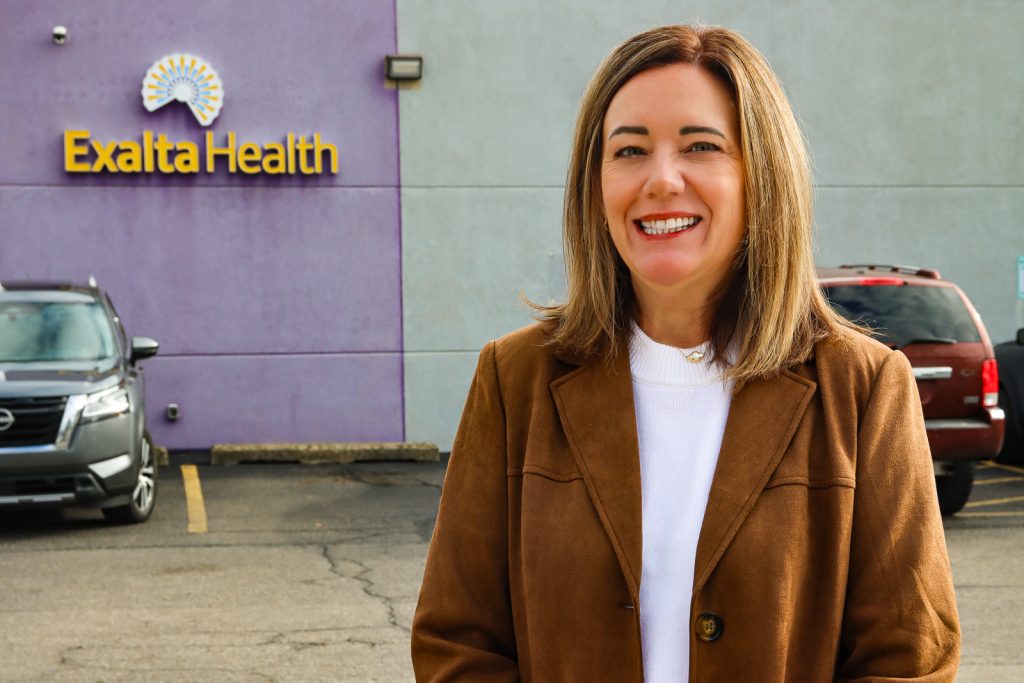
Making healthcare accessible in Grand Rapids
According to a report from the University of Michigan’s Center for Health and Research Transformation (CHRT), Michigan’s uninsured rate among working-age adults declined from 16.6% in 2008 to 7.5% in 2024. Yet significant disparities persist. In 2024, 11.6% of Hispanic Michiganders lacked health insurance, compared with 4.3% of non-Hispanic white residents.
These disparities underscore a critical distinction: Expanding insurance coverage does not necessarily guarantee equitable access to care. For residents navigating poverty, language barriers, housing insecurity, or trauma, meaningful healthcare access often depends on whether support systems are designed around their lived experiences.
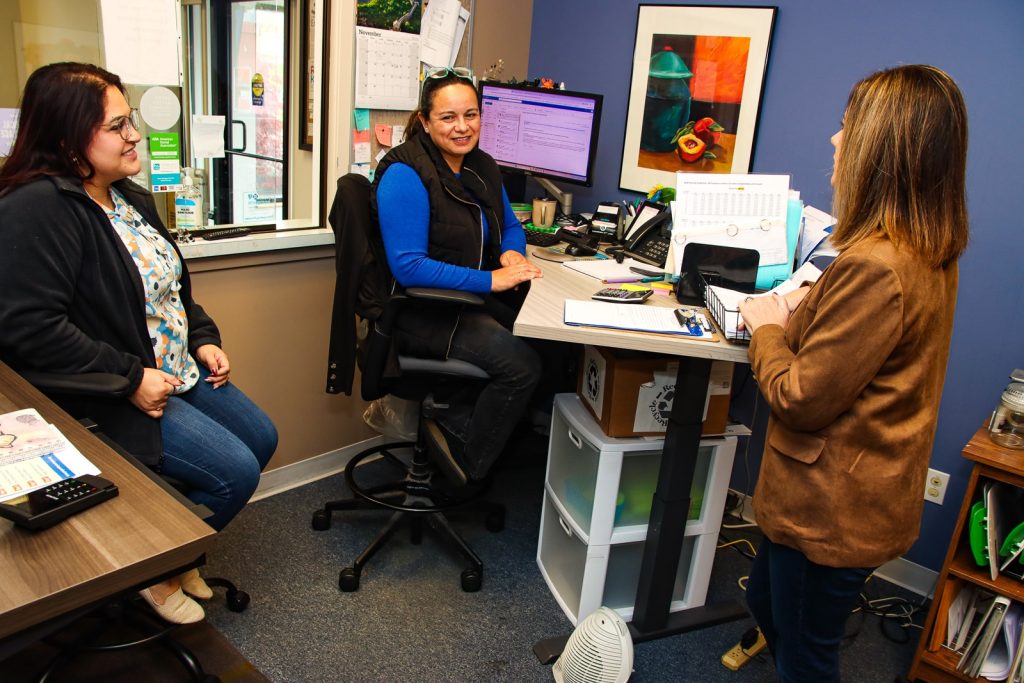
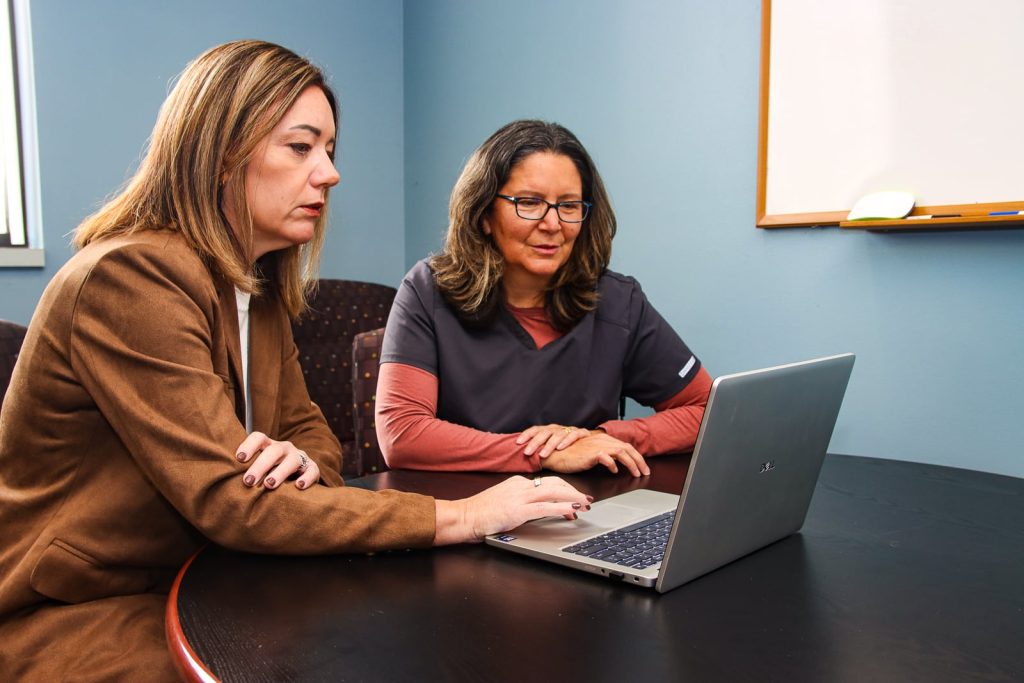
In Grand Rapids’ Burton Heights neighborhood, Exalta Health has spent nearly three decades providing medical, dental, vision, and mental health services to residents who might otherwise struggle to obtain care. According to Exalta Health president Lisa Cruden, the community clinic serves approximately 2,500 patients annually, with roughly 70% uninsured or significantly underinsured. Rather than turning patients away, Exalta uses an income-based sliding fee scale and offers payment arrangements to help make treatment affordable.
Cruden clarifies that affordability is only one component of equitable healthcare. Approximately 60% to 65% of Exalta’s patients speak Spanish, making bilingual staff and culturally responsive services central to the organization’s approach. From receptionists to medical providers, staff work to ensure patients can communicate their concerns and understand their treatment options. Exalta recently added two Spanish-speaking mental health therapists, expanding access to culturally responsive behavioral healthcare.
The need for such services extends beyond Exalta’s patient population. Kent County’s 2023 Community Health Needs Assessment found that one in four adults had delayed necessary medical care, while 18% reported medical debt. Cost was the most frequently identified barrier, and Hispanic and Latino respondents were particularly likely to report being uninsured.
Exalta’s own patient feedback reveals what could happen without its services. When asked where they would seek care if the clinic did not exist, approximately 30% say they would visit an emergency room, while another 30% indicated they would delay or forgo treatment.
Beyond providing treatment, Exalta employs a Spanish-speaking resource navigator who helps patients understand Medicaid eligibility, navigate insurance requirements, and connect with resources addressing food insecurity, housing, and childcare. Cruden says that effective healthcare must also account for what patients can realistically afford and manage.
“We do provide that unrushed, unhurried appointment,” Cruden says, explaining that longer visits allow providers to understand patients’ circumstances and develop treatment plans they can follow.
For Exalta, advancing health equity means ensuring patients are not simply receiving medical advice but are equipped to act on it.
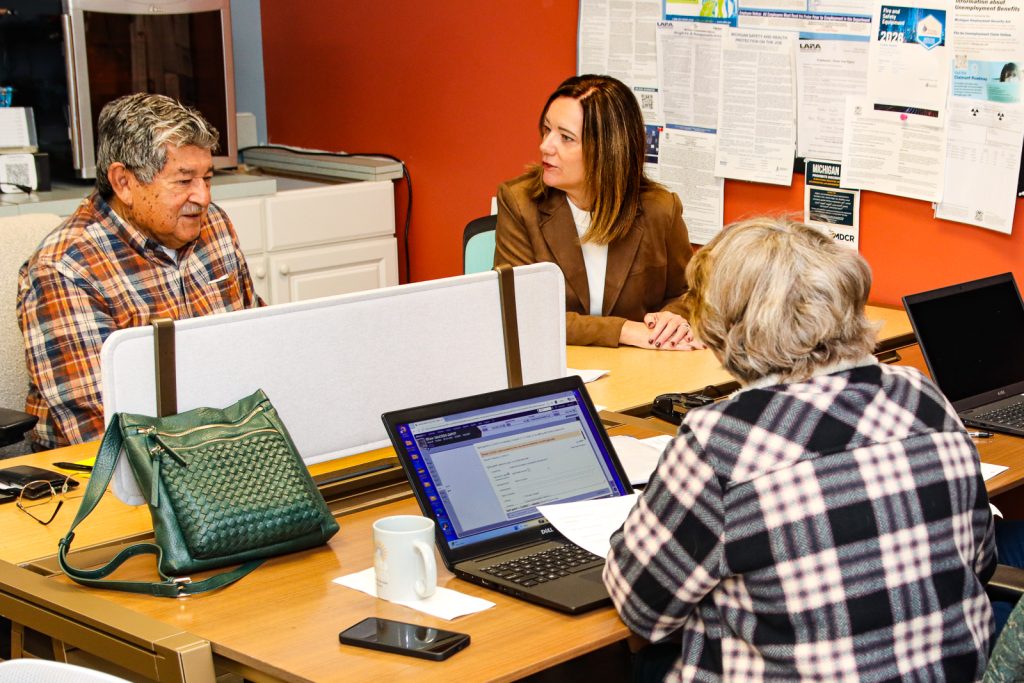
Homelessness as a public health challenge
In Battle Creek, Haven of Rest Ministries approaches health equity through another fundamental need: Stable housing. For 70 years, the faith-based organization has provided shelter and support to individuals experiencing homelessness. Originally established to serve homeless men, including traveling veterans, Haven of Rest now assists men, women, and families with children. Executive Director Daniel Jones says the changing demographics of homelessness have required the organization to expand its approach.
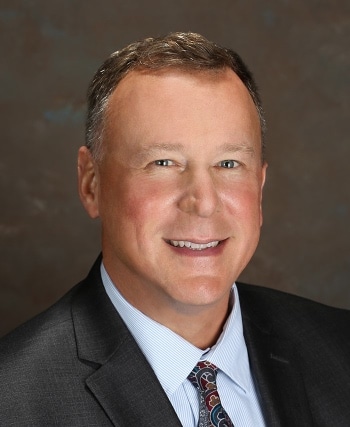
“When people picture someone who’s homeless, they often still imagine a single man living on the street,” Jones says. “But increasingly, we’re seeing women with children and families who find themselves without a stable place to call home.”
Today, Haven of Rest serves nearly 1,600 individuals experiencing homelessness across its ministries, while its addiction recovery programs support more than 120 people annually, including approximately 80 women and 40 men. Its services extend beyond emergency shelter to include addiction recovery, employment preparation, and connections to medical and mental health resources.
“That’s why we believe you have to look at the whole person,” Jones says.
The organization’s work reflects growing recognition that housing stability and health are deeply interconnected. Without reliable shelter, individuals experiencing chronic illness, addiction, or mental health challenges may face additional barriers to treatment and recovery.
The organization provides services that promote longer-term stability and independence. Jones recalled a recent graduation ceremony where six women completed the Women’s Life Recovery Program. One participant stood before the gathering and shared, “This program saved my life.”
Another participant recently gave birth to a healthy baby girl, an experience Jones described as an illustration of how recovery can influence the circumstances into which children are born.
“When you’re helping a mother find stability, overcome addiction, or begin rebuilding her life, you’re doing more than helping one individual,” Jones says. “You’re potentially changing the direction of an entire family, including the lives of her children.”
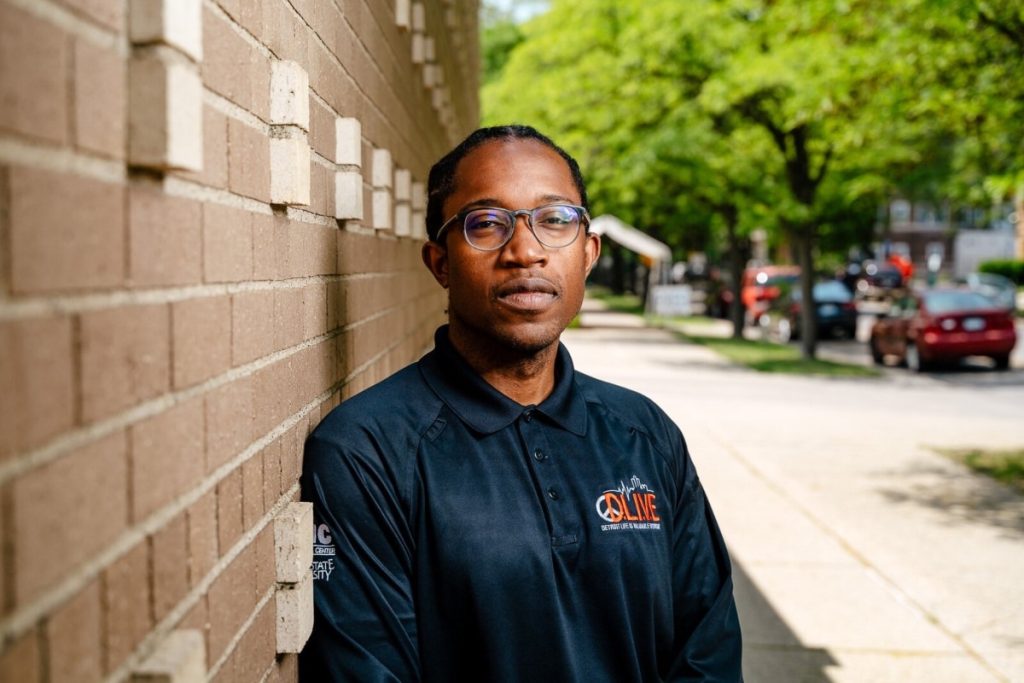
Interrupting cycles of violence in Detroit
For Dr. Tolulope Sonuyi, founder and CEO of Detroit Life Is Valuable Everyday (DLIVE), advancing health equity begins with recognizing community violence as a public health crisis. As an emergency physician, Sonuyi repeatedly treated young Detroit residents injured by shootings, stabbings, and assaults only to see some return to the hospital with additional injuries.
He founded DLIVE in 2016 to interrupt that cycle by connecting young people with support at a critical moment: Within hours of arriving at a trauma center. Operating in three Detroit trauma centers, DLIVE combines violence intervention with mental health services, supportive housing, education, workforce development, and family-centered programming. Its approach recognizes that violence does not occur in isolation. Poverty, neighborhood disinvestment, inadequate housing, and limited economic opportunity can contribute to persistent trauma and poor health outcomes.
“This is not just about not being shot or not responding in anger,” Sonuyi explains. “It is about changing the conditions that serve as breeding grounds for community toxic stress.”
DLIVE reports that reinjury among actively engaged participants has remained below 6%, compared with a historical reinjury baseline of 44% at Detroit trauma centers. During its most recent state reporting periods, the organization reported reinjury rates below 2% among engaged participants.
Its impact extends into education and mental health. In 2025, DLIVE provided mental health support to more than 200 individuals, including program participants and their families. The organization also reports that 100% of participants who entered its program while enrolled in high school graduated over the past 18 months.
Sonuyi shared the story of “Donnie,” a young man who entered DLIVE following a violent injury. Through mental health support, career coaching, transportation assistance, and a stipend, Donnie entered a diesel mechanic apprenticeship and eventually secured employment. Today, he advocates for mental health awareness among other young people.
DLIVE also offers addiction programming, supportive housing, workforce partnerships, and its DLIVE Families maternal and infant health initiative. For Sonuyi, this flexibility is essential because meaningful interventions must respond to the complex realities of people’s lives.
Sustaining progress amid shifting federal priorities
As Michigan organizations work to address longstanding disparities, changes in federal funding and diversity, equity, and inclusion priorities are introducing new uncertainties. For DLIVE, Sonuyi says reduced predictability in federal community violence intervention funding has slowed organizational growth and limited the number of individuals the program can serve. Jones similarly acknowledged that shifting federal priorities have eliminated some grant opportunities while creating others. However, he emphasized that Haven of Rest has not denied anyone services because of those changes. At Exalta Health, Cruden stressed the importance of sustained philanthropic investment, particularly for smaller clinics that do not receive the same federal reimbursement benefits as Federally Qualified Health Centers.
Across all three organizations, leaders identified flexible, multiyear funding as essential to maintaining staff, strengthening programs, and responding to emerging community needs. Their experiences also illustrate why health equity cannot be addressed through healthcare institutions alone. From accessible medical appointments in Grand Rapids to addiction recovery in Battle Creek and violence intervention in Detroit, each organization is addressing conditions that traditional healthcare systems cannot resolve independently.
For Sonuyi, lasting progress requires policymakers and institutions to embrace a broader understanding of health, one that connects housing, education, transportation, economic opportunity, and healthcare.
“A healthier community is a safer community,” he says.
Together, these organizations demonstrate that advancing health equity means investing not only in treatment, but also in the people, relationships, and community infrastructure that make lasting health and well-being possible.
Photos by Tommy Allen
Photo of Dr. Tolulope Sonuyi by Nick Hagen
MI Families shares the work of community organizations, healthcare providers, educators, employers, and other Michiganders as they work to create better health, educational access, and economic security for all Michigan families. It is made possible with funding from the W.K. Kellogg Foundation.
Author

Related Articles
How the State of Michigan and Michigan Works! plan to assist Medicaid families affected by new work requirements
Michigan budgeted $168.6 million in grants to state agencies and organizations to help residents navigate Medicaid changes.
Michigan’s community mental health system: Overcoming stigma to provide needed care
Community mental health has played an important role in shifting the culture to asking for help.
Older adults suffer when stigma keeps them from mental health care
Generational stigma and diagnosing mental health issues as part of aging rob older adults of the help they need.