From farm to can: Zazu Mushrooms brews up a fungal fusion
After an unexpected leap into mushroom farming, Brad and Angie McLeish of Zazu Mushrooms are blending innovation and community — most recently through a unique mushroom matcha in collaboration with Shades of Lavender.
Editor’s Note: Kalamabrew is a series exploring the dynamic world of brewed and specialty drinks — from coffee and kombucha to botanical sodas, craft teas, non-alcoholic beers, and beyond. As more people seek out mindful, flavorful alternatives to alcohol, Kalamabrew taps into the trends, stories, and makers behind this evolving culture of conscious sipping. Whether it’s brewed, steeped, fermented, or fizzed, if it’s drinkable and intriguing, it’s on our radar.
The first sip of Zazu Mushrooms’ mushroom matcha offers an earthy flavor, with mushroom and matcha flavors blending harmoniously into a refreshing, thirst-quenching beverage. While the mushroom flavor is distinct, it is not overbearing — resulting in a clean, unique drink that both tastes and feels good. Created in partnership with Shades of Lavender, this new beverage aims to provide a fresh-tasting, healthful experience.
The creative blend behind the matcha reflects the unexpected path that led Brad and Angie McLeish to Zazu Mushrooms.
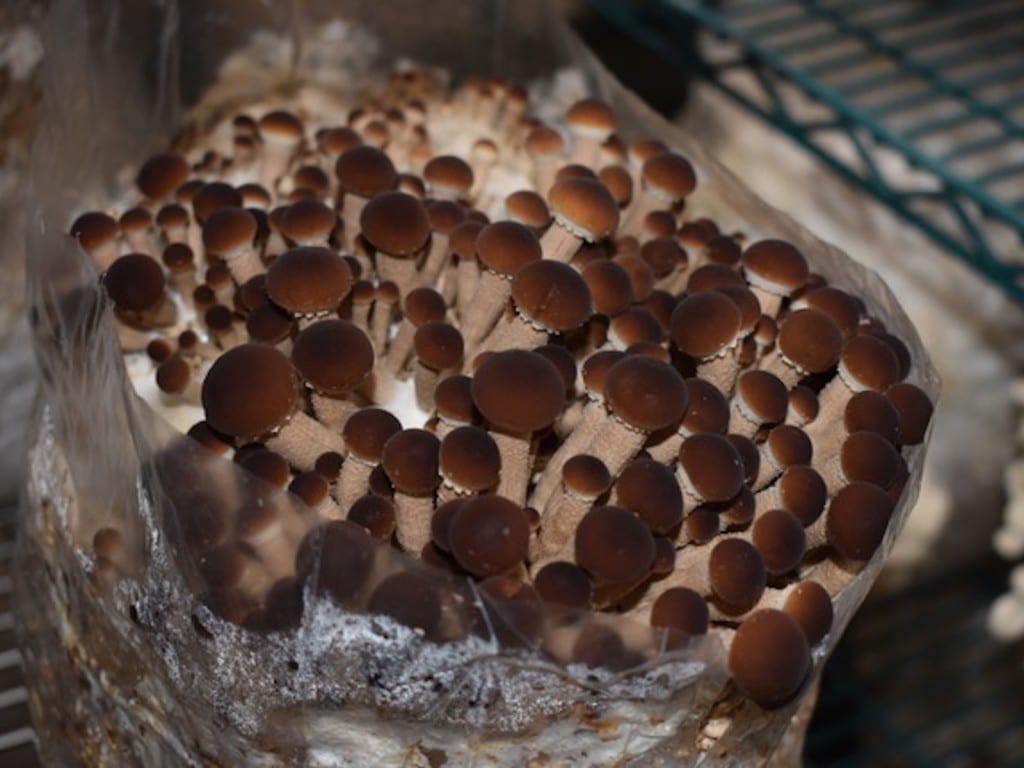
Brad and Angie bought Zazu Mushrooms in Matawaan in late summer 2021, during the height of the pandemic. “I was just kind of goofing around online and found an MLive article about islands for sale in Lake Michigan,” says Brad. “The next one was about a mushroom farm for sale.”
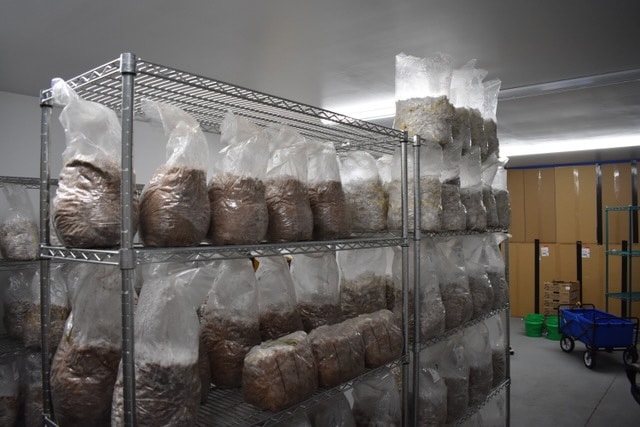
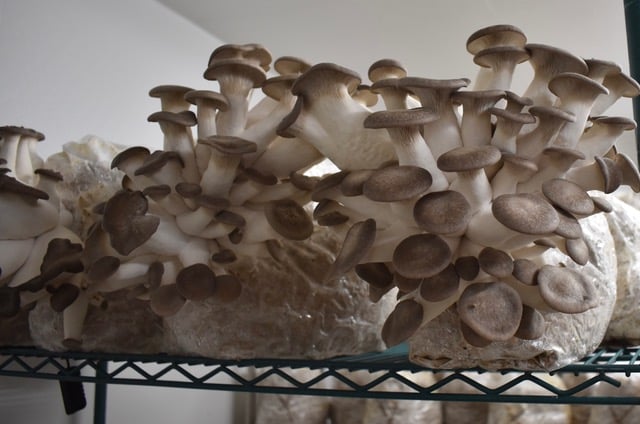
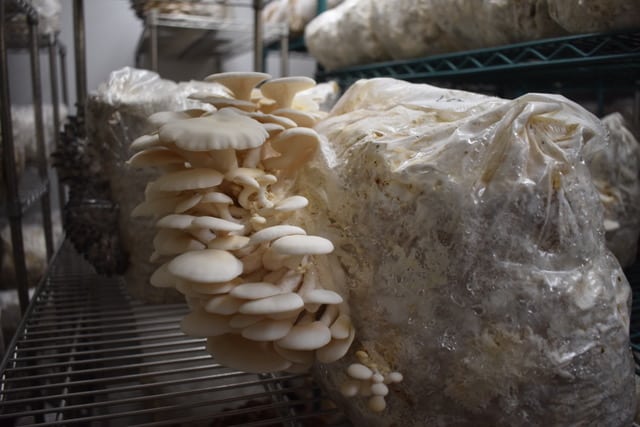
After joking with their mycophile friend Hal, who now runs the Zazu stand at the Kalamazoo Farmers Market, Brad and Angie began seriously considering the purchase. They soon realized that owning the business would align with their long-term life goals. The couple went on to buy the farm from Jackie and Zach Alkhamis, Zazu’s founders.
The McLeishes are originally from South Bend, Indiana. Angie worked as a preschool teacher for 26 years. Brad continues to operate a research and consulting firm specializing in “program evaluations and needs assessments for public entities and nonprofits.” Brad says that the mushroom business “was on the side,” but now the two occupations “pretty much take up equal amounts of time.”
When purchasing the business, Brad and Angie decided to keep the name “Zazu,: which not only references the character from “The Lion King,” but also means movement in Swahili, which Angie says demonstrates that they “wanted to be a part of the mycophile movement.”
Pandemic and post-pandemic growth
The pandemic, they say, played a major role in the business’s growth. Today, Zazu Mushrooms has stands at farmers’ markets in Texas Corners, Portage, Kalamazoo, Plainwell, and Grand Rapids. They also have products at the People’s Food Co-op in Kalamazoo and the Purple Porch Co-op in South Bend, with plans for further expansion. Brad says that they hope to enter the restaurant supply and eventually maintain a year-round, rather than cyclical, operation.
“There are so many opportunities to do things with mushrooms,” Brad says, adding that they needed time to find their direction. “I think we finally got a stable enough process” to start engaging in new projects.
Brad McLeish compares the role of fungi in the natural world to human systems, noting that “the regenerative nature that mushrooms serve in the natural cycle is something that a lot of our social and economic structures are missing.” Mushrooms, he adds, show that “we really need to build systems that can sustain something besides perpetual growth.”
Life lessons learned from cultivating mushrooms
When asked about life lessons learned from mushroom farming, Brad reflects on his background in international political economy and evolutionary economics. He compares the role of fungi in the natural world to human systems, noting that “the regenerative nature that mushrooms serve in the natural cycle is something that a lot of our social and economic structures are missing.” Mushrooms, he adds, show that “we really need to build systems that can sustain something besides perpetual growth.”
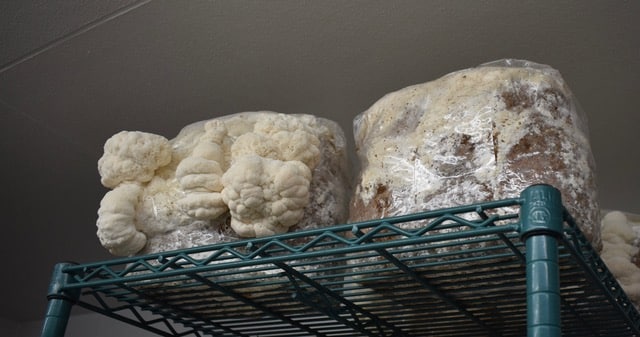
Angie draws parallels between her years teaching children and the patience required for mushroom cultivation. While “the mushrooms don’t verbally talk back, they can behaviorally talk back and, like children, have a mind of their own.” She adds, “I just have to be patient because they’re a growing thing.”
An unusual match makes mushroom lemonade
The inspiration for the mushroom matcha came from Shades of Lavender founder Anthony Tran. Located next door to Zazu, Shades of Lavender has featured Zazu’s products before. “Anthony was the driving force” behind incorporating mushroom extract into their beverages, says Brad. They began adding the mushroom extract to Shades of Lavender’s lemonade, and “it turned out pretty good…[and got] really popular,” Brad says. It was Tran’s idea to combine the mushroom extract with matcha to make their newest beverage.
Murky Matcha is born
To make the mushroom extract, the two businesses use a dual water and alcohol extraction process — something Tran already had the equipment to perform. The mushrooms are first soaked in high-proof alcohol for several weeks, then strained, with the leftover mushroom material simmered in boiling water for several hours. The resulting tinctures are then combined.
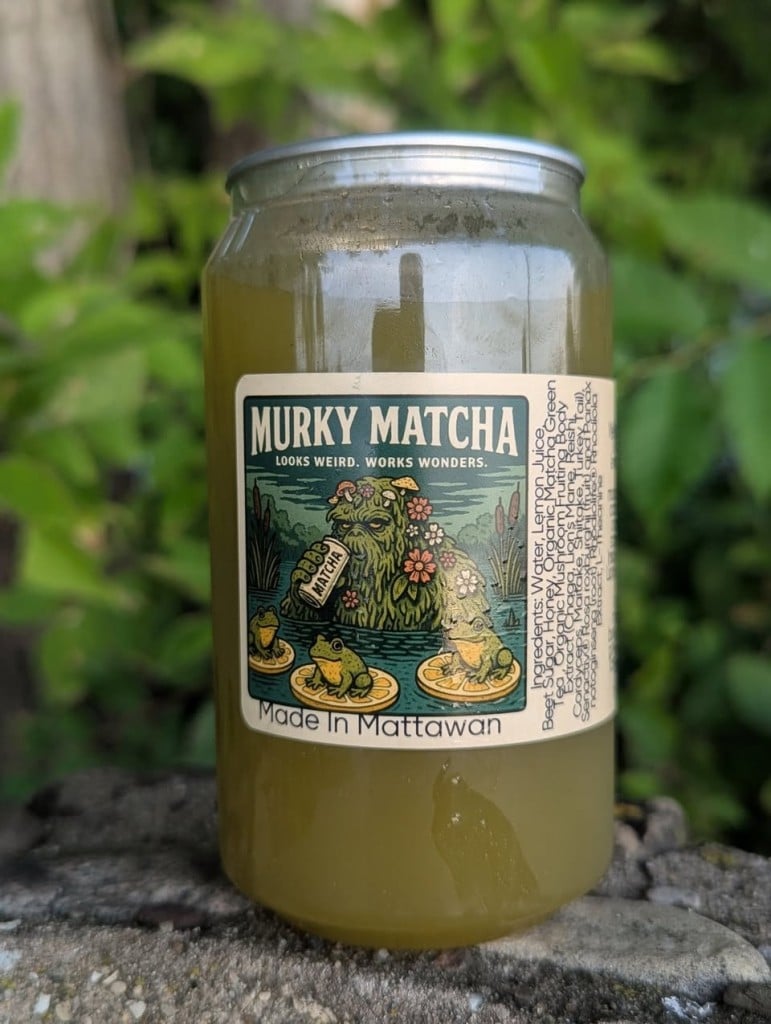
In the past, the matcha used mushrooms grown at Zazu. However, licensing and inspection rule changes have led them to source the mushroom extract externally. The current blend contains lion’s mane, cordyceps, reishi, and chaga mushrooms — varieties that “provide a broad spectrum of mushrooms with complementary benefits,” says Brad.
Looking ahead, Brad said that they hope to create a shelf-stable version of the matcha in the coming off-season. When asked what other beverage she’d like to produce, Angie doesn’t hesitate: “Definitely coffee.” She says customers regularly come up and ask if they have any, with many locals wanting “something made a little closer to home.”
For Brad and Angie, Zazu Mushrooms has become more than a business — it’s a way to cultivate community and growth in every sense.
Author

Related Articles
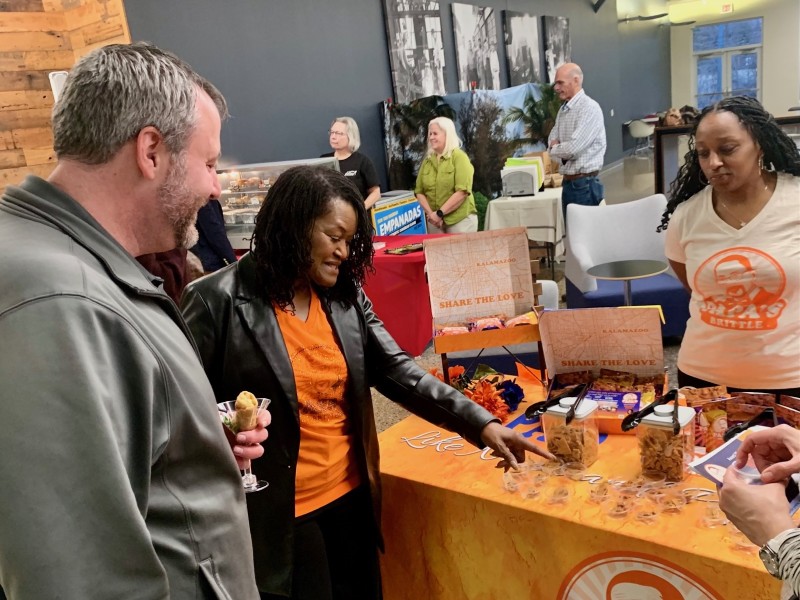
Collaborative collisions: Entrepreneurs ‘Reach Forward’ to find new opportunities and connections in Kalamazoo
The Reach Forward Conversations Event brought local entrepreneurs, product sellers, and buyers together to spark connections that could lead to contracts, growth opportunities, and stronger small-business networks in the Kalamazoo area.
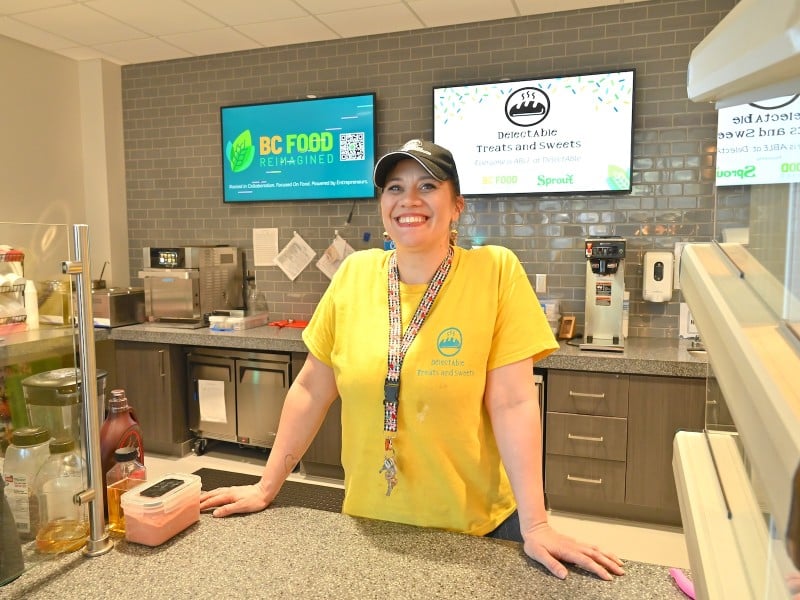
A sweet solution to a serious employment gap: DelectAble Treats and Sweets emphasizes Able
In Battle Creek, Felicia Jaramillo opened DelectAble Treats and Sweets to create jobs for people with disabilities, inspired by her sons and her own recovery journey.
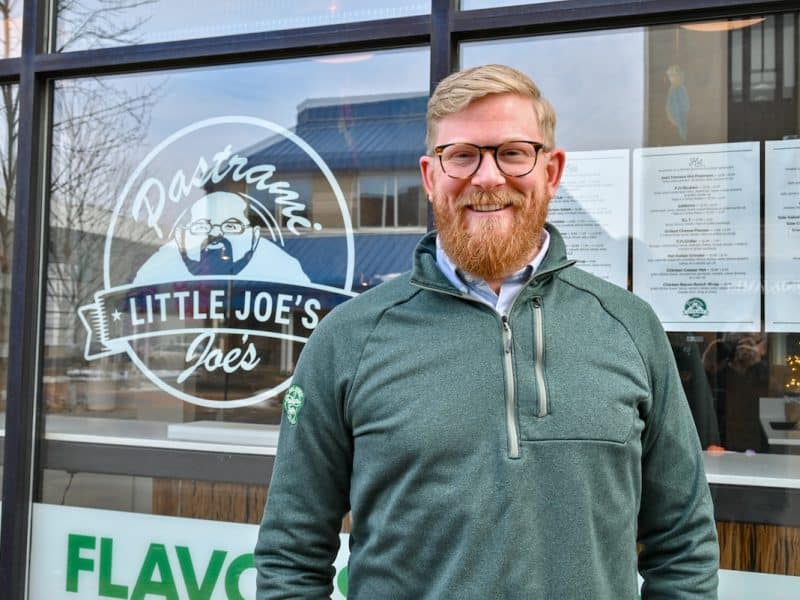
Day-to-day interactions with happy customers keeps Pastrami Joe’s owner going
In 2022, Andrew Scibbe’ purchased Pastrami Joe’s Deli in Marshall. Two years later, he reopened a second location in downtown Battle Creek.