Fewer options, fuller ERs: The behavioral health fallout of Medicaid cuts
MHA advocates for state funding that preserves behavioral health care and keeps rural hospitals open.
The Michigan Health and Hospital Association (MHA) advocates for funding that maintains Michigan’s health care programs and preserves access to critical services like mental health in communities across the state. Research shows that a lack of access to behavioral health treatment options has several repercussions. One, emergency room visits increase. Another, incarceration rates increase. The latter creates added strain on law enforcement and community crisis response systems, as is already significantly challenging in some Michigan cities.
“If a patient in the U.P. needs an inpatient psychiatric bed, law enforcement has to transport the patient downstate as they are the only secure transport option,” says Lauren LaPine-Ray, MHA vice president of policy and rural health. “This takes law enforcement out of their communities for extended periods of time. It is very reasonable to assume that this will only increase as Medicaid cuts take effect.”
MHA is working with legislators and state officials throughout the budget process, paying close attention to two current funding priorities: Behavioral health and small and rural hospitals. Michigan’s health care system is facing a true crisis when it comes to serving adults and children with behavioral health needs, including those with substance use disorders.
What Medicaid cuts could mean
Proposed federal Medicaid cuts could jeopardize health coverage for hundreds of thousands of Michiganders. The potential changes planned for 2027, ranging from reduced block grants to stricter work requirements, could cost billions of dollars in lost annual revenue, impacting Michiganders with both traditional and Medicaid insurance.
“Medicaid reimbursement is vital for Michigan hospitals providing behavioral health services,” says LaPine-Ray. “Behavioral health services are incredibly expensive to provide, particularly from a workforce perspective. Psychiatrists and other behavioral health specialists are rare and in high demand, which drives up recruitment and retention costs. Psychiatrists, psychologists, and psychiatric nurse practitioners require extensive training, and the work can be mentally taxing, making long-term retention challenging.”
Another major concern, the new Medicaid redetermination process makes it harder for patients with behavioral health needs to maintain coverage. When individuals lose health care coverage, they are less likely to seek preventive care, which often leads to increased emergency department use and uncompensated care.
“Patients who rely on Medicaid should take steps now to ensure their coverage remains active and stay on top of the redetermination process,” LaPine-Ray says. “Medicaid recipients should also speak with their providers about care continuity when redetermination takes effect in 2027.”
How the system works now
Michigan’s public behavioral health system, including the community mental health agencies (CMHs) and Prepaid Inpatient Health Plans (PIHPs), are heavily reliant on Medicaid funding. The PIHPs pay the hospitals for services provided to Medicaid beneficiaries. Cuts to Medicaid will mean less funding to compensate for care being delivered. Given the high rates of Medicaid coverage via the Healthy Michigan Plan, any cuts to Medicaid will negatively impact Michigan hospitals.
“If there is no solution to fill the uncompensated care gap, access to critical services will be limited,” says LaPine-Ray. “At first, patients will experience longer wait times. Over time, we would likely also see service reductions and fewer providers able to accept Medicaid patients due to the administrative burden associated with ensuring payment for services are rendered.”
Medicaid cuts will impact everyone because they threaten access to care. Even patients with commercial insurance will start to experience longer wait times and fewer service options. Medicaid cuts also mean that providers will face fewer resources, higher caseloads, and reduced treatment options for their patients. That translates to hospitals seeing more individuals in the emergency room without insurance coverage, which will increase uncompensated care.

The impact on hospitals and ERs
Hospitals already face workforce shortages and emergency department boarding challenges. According to LaPine-Ray, every day around 155 patients, including 17 children, are sitting in Michigan emergency departments waiting for appropriate behavioral health services. Patients covered by Medicaid already wait roughly twice as long for psychiatric placement as those with commercial insurance due to a series of hurdles that can take hours or even days to overcome.
“Hospital emergency departments serve as a safety net for both physical and behavioral health crises,” says LaPine-Ray. “Hospitals treat anyone who comes through the door regardless of their ability to pay. If outpatient behavioral health access declines, emergency departments will see increased patient volume for issues that could have been identified and managed with preventive care.”
Michigan has been working to expand managed and preventive care, especially for those in need of behavioral health and/or substance use treatment. Peer recovery coaches are also heavily funded by Medicaid. Evidence shows that connecting a patient with substance use disorder to a peer recovery coach improves their treatment.
“Certified community behavioral health clinics and crisis stabilization units are all funded heavily by Medicaid dollars,” LaPine-Ray says. “All these services are critical components of the behavioral health crisis continuum and maintaining them requires sustainable Medicaid funding.”
Rural hospitals under threat
Medicaid cuts threaten clinics and hospitals across the state of Michigan, but particularly those in rural areas where rates of patients using Medicaid are the highest. The newest Chartis Group data shows 11-20% of Michigan rural hospitals are at immediate risk of closing. Without meaningful investments in Medicaid at the state and federal level even more rural hospitals will be at risk of closing.
This is why MHA continues to work closely with state lawmakers to ensure no more harm is done to health care in the next state budget.
“Medicaid cuts will lead to more uninsured patients seeking care later with more severe and more expensive conditions to treat — and hospitals will not be reimbursed for it,” says LaPine-Ray. “Medicaid cuts shift costs onto hospitals and providers, which increases financial strain and threatens access. If a hospital closes a service line due to Medicaid cuts, that service line is cut for all patients, not just Medicaid beneficiaries.”
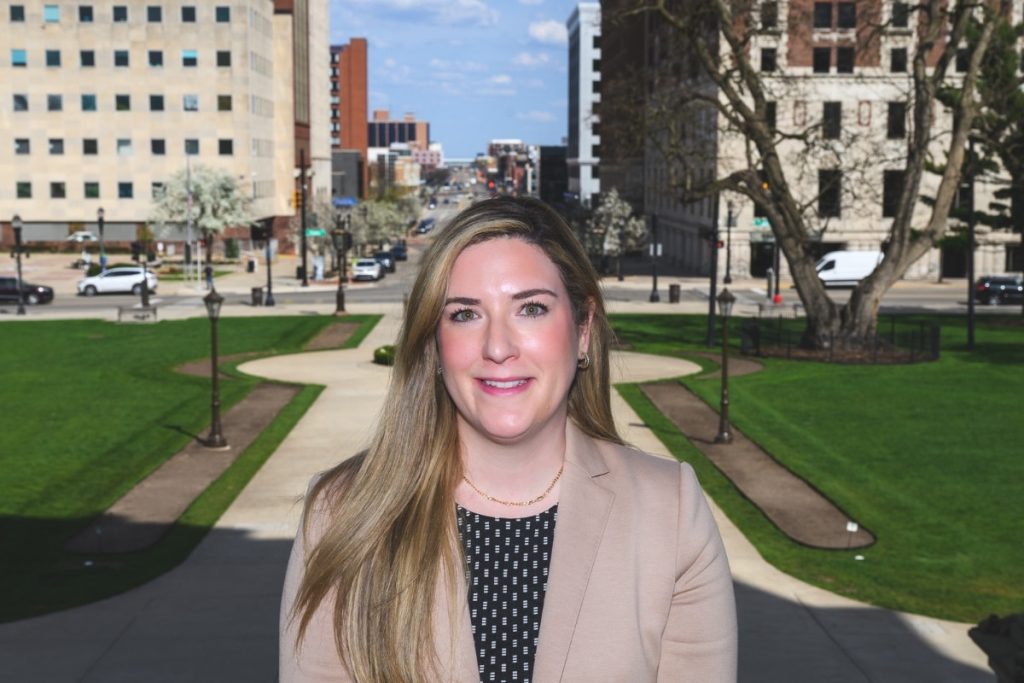
Photos by Doug Coombe.
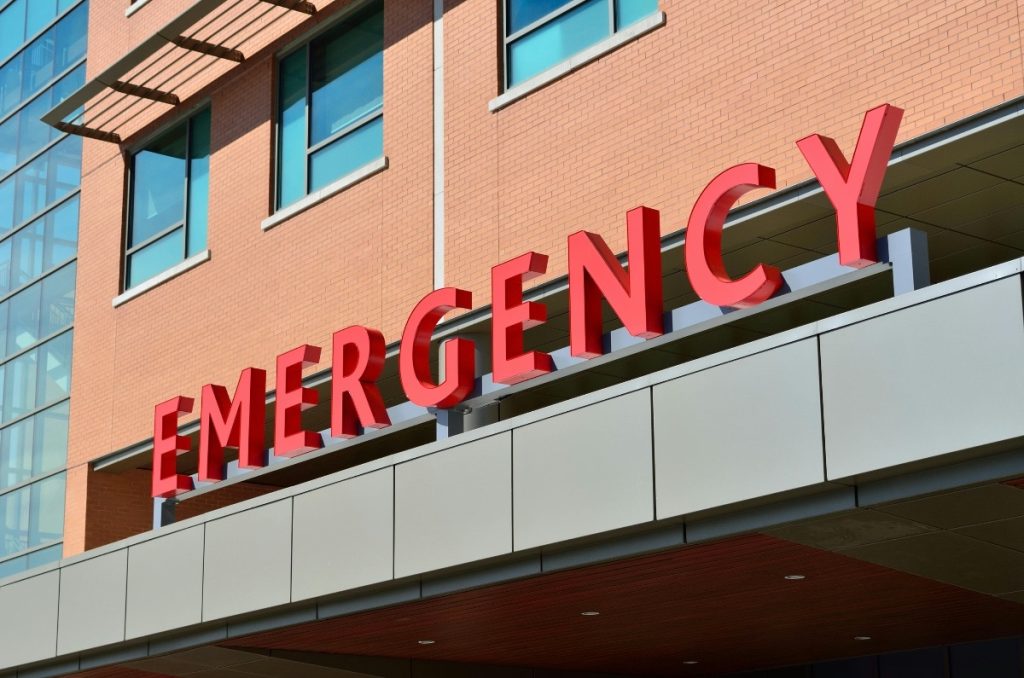
Hospital photo by Pixabay via Pexels.com.
The MI Mental Health series highlights the opportunities that Michigan’s children, teens and adults of all ages have to find the mental health help they need, when and where they need it. It is made possible with funding from the Community Mental Health Association of Michigan, Center for Health and Research Transformation, OnPoint, Sanilac County CMH, St. Clair County CMH, Summit Pointe, and Washtenaw County CMH and Public Safety Preservation Millage.
Related Articles
SDOH Hubs improve mental and physical health while reducing disparities
The goal is to improve health outcomes, achieve health equity, and remove barriers to opportunity.

Bloom where you’re pampered: Battle Creek’s first full-service salon & spa celebrates growth
After 30 years behind the chair, Angie English transformed her passion for helping others into Bloom Beauty & Wellness, creating a space where beauty, wellness, and community come together.
Kalamazoo cleaning company helps lift burdens for cancer patients
Jeannie Cleaning, a Kalamazoo-based company and partner of the nonprofit Cleaning for a Reason, provides free and discounted home cleanings to cancer patients, offering vital support and relief during treatment.