Yemeni coffee is having a moment. Kalamazoo is getting a taste.
Shibam Coffee is bringing the distinctive flavors and centuries-old traditions of Yemeni coffee to Kalamazoo while creating a welcoming, late-night gathering place for students and the wider
community.
Editor’s Note: This story is part of Momentum: The people and companies shaping what’s next, a weekly series that explores new ventures, founder support, and the resources powering entrepreneurship and small businesses across seven counties in Southwest Michigan. This project is sponsored by Southwest Michigan First.
Yemeni coffee is having a moment.
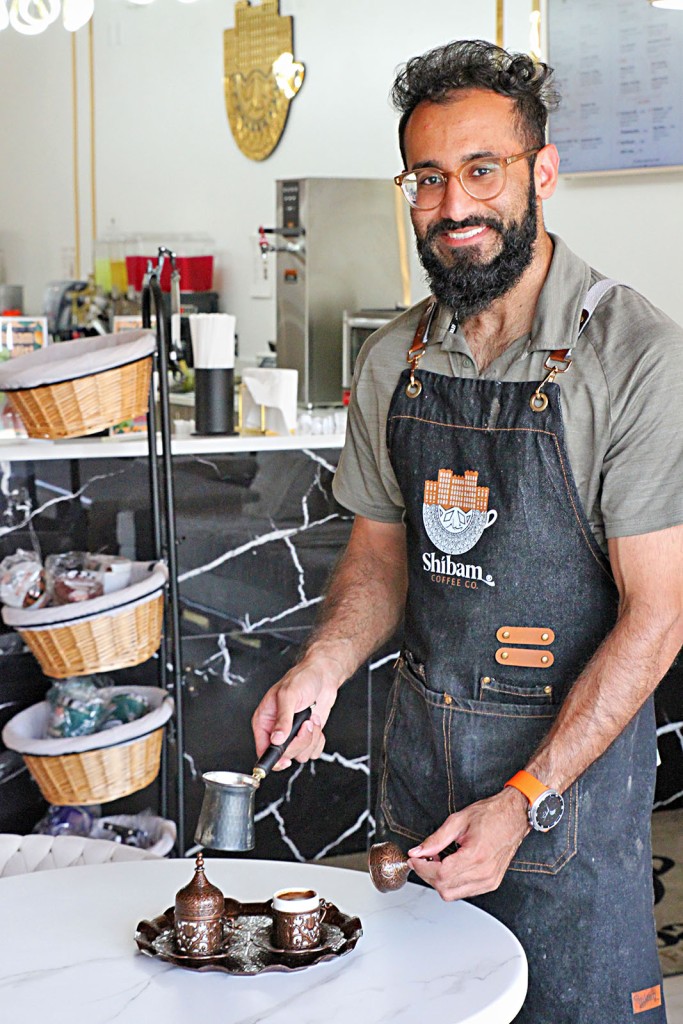
According to Food & Wine magazine, coffee from Yemen — rare, highly prized heirloom Coffea arabica grown on ancient mountain terraces — is drawing renewed attention in the United States. Cultivated using centuries-old, chemical-free dry-processing methods, the beans have a flavor profile unlike the coffee most Americans encounter every day: deep, earthy and wine-like, with rich chocolate notes.
Kalamazoo is getting a taste.
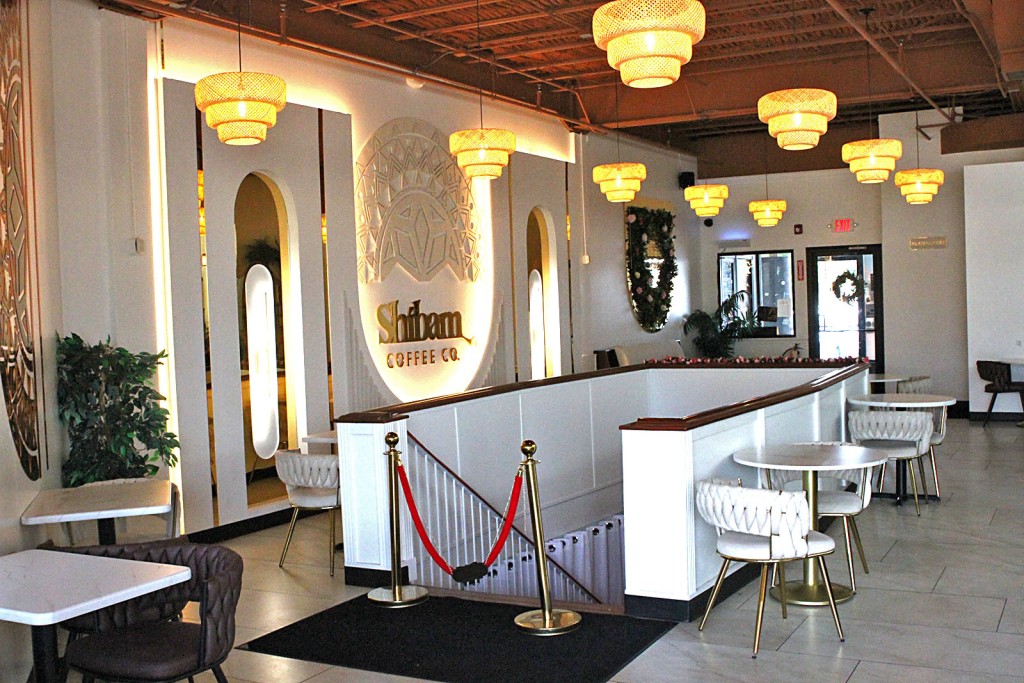
At Shibam Coffee, which opened last December at Campus Pointe Plaza, Yemeni-style coffee is served alongside cardamom-spiced teas, elaborate desserts and traditional snacks. The coffeehouse has quickly developed a following, particularly among Western Michigan University students looking for somewhere to linger long after many other cafés have closed.
Located at 2632 W. Michigan Ave., Shibam is owned by Western alumnus Talal Arshad and four partners. For Arshad, the business is about more than introducing Kalamazoo to a distinctive coffee tradition. He wants it to be a place where people can settle in, meet friends, study, talk — or simply spend time together.
That vision helps explain one of Shibam’s most noticeable features: its hours. The coffeehouse is currently open from 7 a.m. to midnight every day, with the possibility of staying open later once WMU’s full student population returns after the summer.
“I always wanted a place where students and the community could come in and get together with their friends or enjoy time by themselves or spend time studying,” Arshad says. “We didn’t have any café that would stay open for night hours for somebody to be able to come in and sit down and study.”
Once home to The Grotto, a popular hangout for students, and which included a large basement with a bar, Arshad says he hopes to eventually convert the basement into something like conference rooms and snooker tables, which are similar to pool tables but square rather than rectangular.
“I want more of a place where you can not just have your coffee, but you can spend more time with your friends, your family. That was something I was wanting even back when I was a student.”
The Kalamazoo coffeehouse is a franchise of Dearborn-based Shibam Coffee Co., founded in 2022. It is growing rapidly with nine locations in Michigan and 21 locations total, including ones in New York, Texas and Arizona.
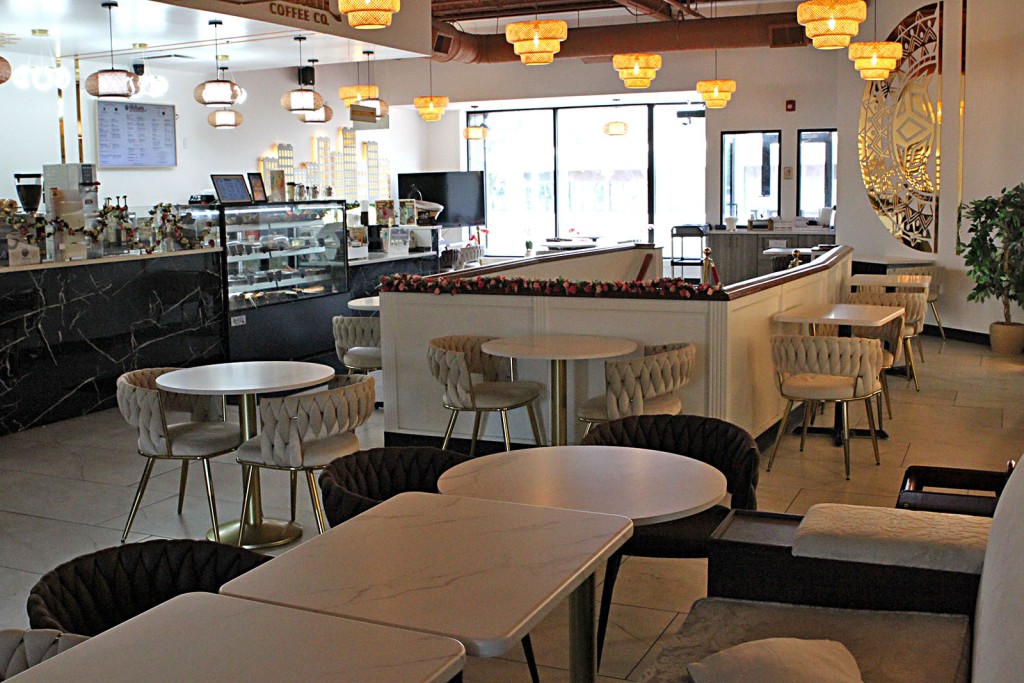
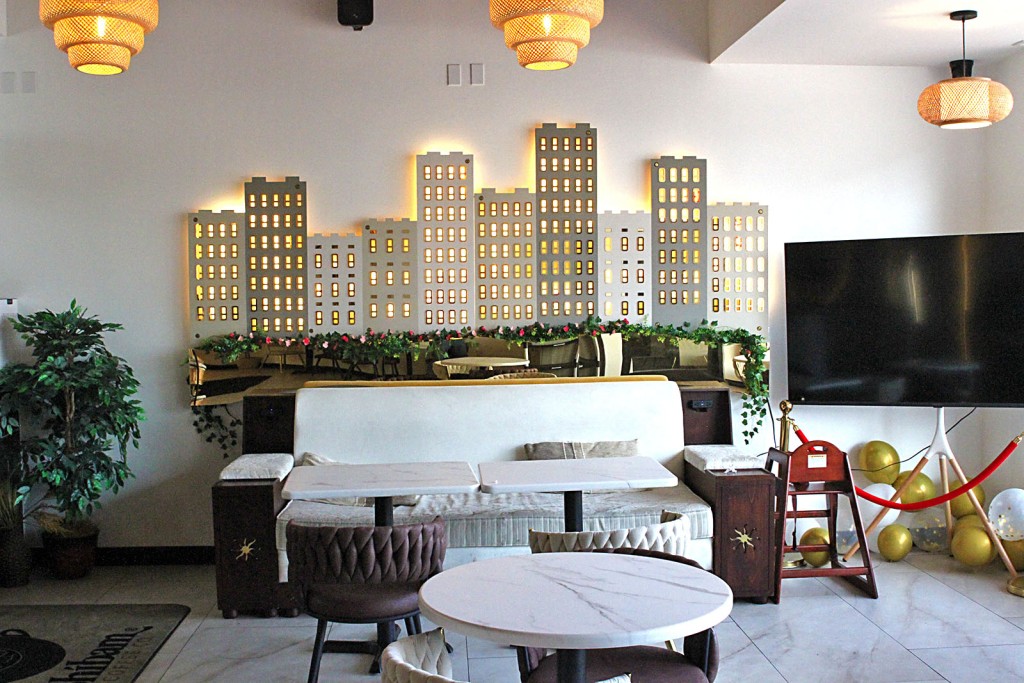
The company’s name comes from a unique, ancient city in Yemen that boasts tall buildings made from sun-dried mud bricks. It’s often called “the Manhattan of the desert,” and this image is incorporated in the decoration of Shibam coffeehouses.
This is Arshad’s first entrepreneurial venture. While a student at WMU, he studied aerospace engineering, and he has worked as an industrial engineer. His partnership with four other co-owners enabled them to arrange private financing.
“I think it’s the uniqueness in the coffee,” that draws customers, Arshad says. “Our menu is different from any other coffee place. We have the usual espressos and the refreshers, but there’re some special Yemeni refreshers. We have special Yemeni coffees and teas. They’re grown in Yemen and sent to Dearborn as coffee beans or tea mixes. We get fresher beans, and we get them organic, too. Adani chai or Shibam coffee — those are flavors you’re not going to find anywhere else. Those are unique to Yemeni coffees.”
The most popular pastry is the honeycomb, which is pull-apart bread with cream cheese inside. It’s topped with sesame seeds and drizzled with honey. “It’s a very common snack item or dessert item that you have with tea or coffee,” Arshad says.
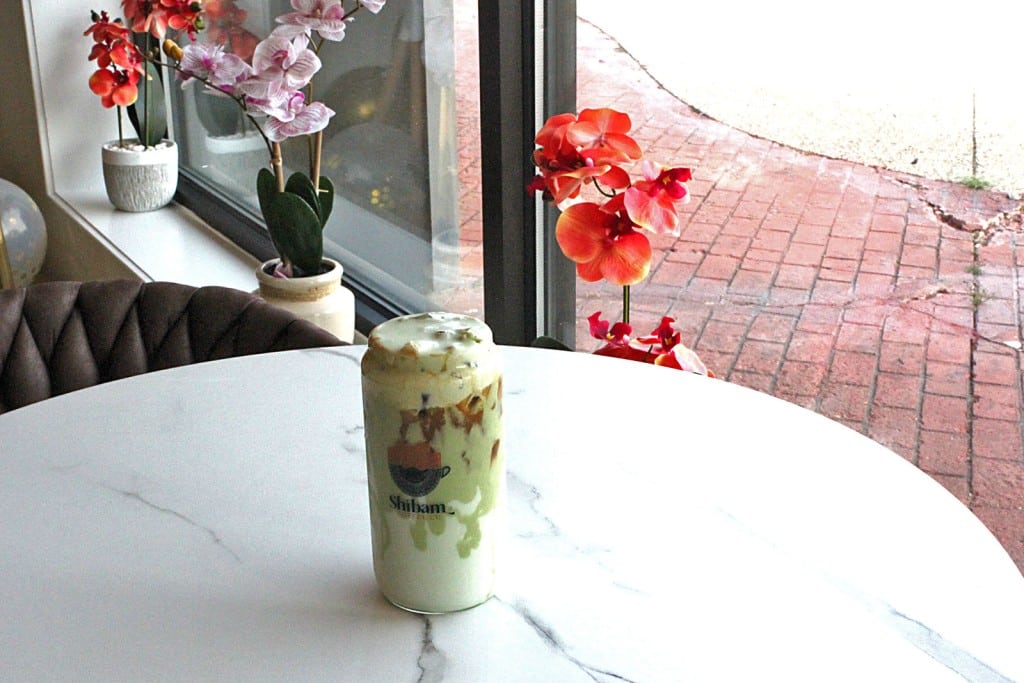
“Our top-selling drink is an iced pistachio latte. It’s very nutty, rich and creamy, and that’s a unique flavor you’re not going to find anywhere else,” says Arshad. “The milk cakes we have and the mousse cakes, too, are unique. We have special sambusas which are very Yemeni — a type of snack you could call them.”
For Arshad, honoring the Yemeni history and creating a sense of community is ultimately as important as what is in the cup.
Coffee has been brewed in Yemen for more than 500 years, and the country’s beans and brewing traditions have become prized far beyond its borders. In Michigan, where the Yemeni community has grown substantially in recent years — particularly in the Detroit, Hamtramck and Dearborn areas — those traditions are increasingly finding an audience of their own.
At Shibam, that history arrives in a cup of coffee flavored with cardamom or ginger, in a glass of Yemeni tea, or in a piece of honeycomb bread pulled apart over a table with friends.
The coffee may be what brings people through the door. But Arshad says he hopes the place itself will give them a reason to stay.
Author

Related Articles

How a Kalamazoo startup is using AI to rethink the way students take tests
A Kalamazoo startup’s AI-powered platform delivers instant test feedback, helping teachers save time and personalize learning.
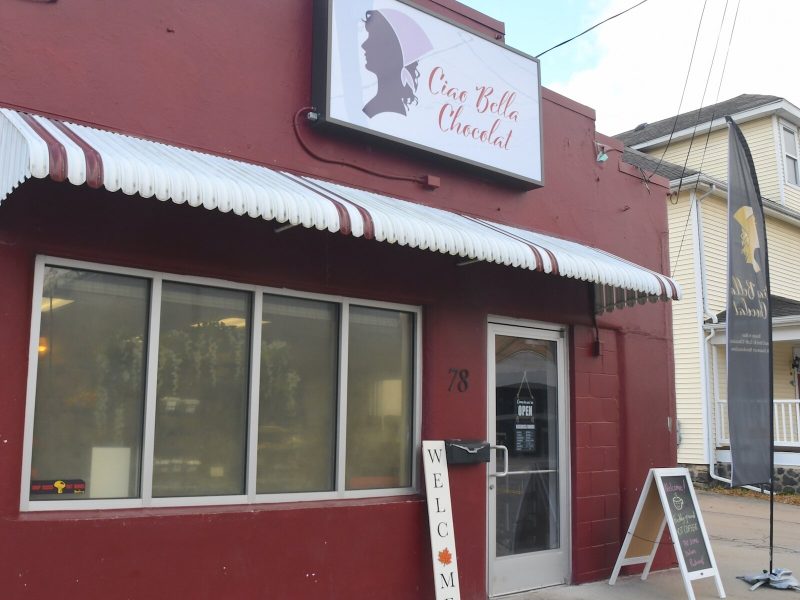
The little building that keeps launching big restaurant dreams in Battle Creek
78 Calhoun Street has become a launching pad for Battle Creek food entrepreneurs, providing an affordable space where startup restaurants can grow before moving on to larger, permanent locations.

How a pair of soggy, smelly gloves sparked a Michigan-made business
Karen Smoots of Portage turned a household problem into The EcoDryer, a Michigan-made invention now helping keep students’ winter gear dry in schools.