

Planet Z: Western Michigan University students voice concerns over Asylum Lake Preserve’s future
Many underestimate how important wild, natural places like the Asylum Lake Preserve are to nearby college students. The potential transfer of the preserve raises questions and concerns about its stewardship and transparency.
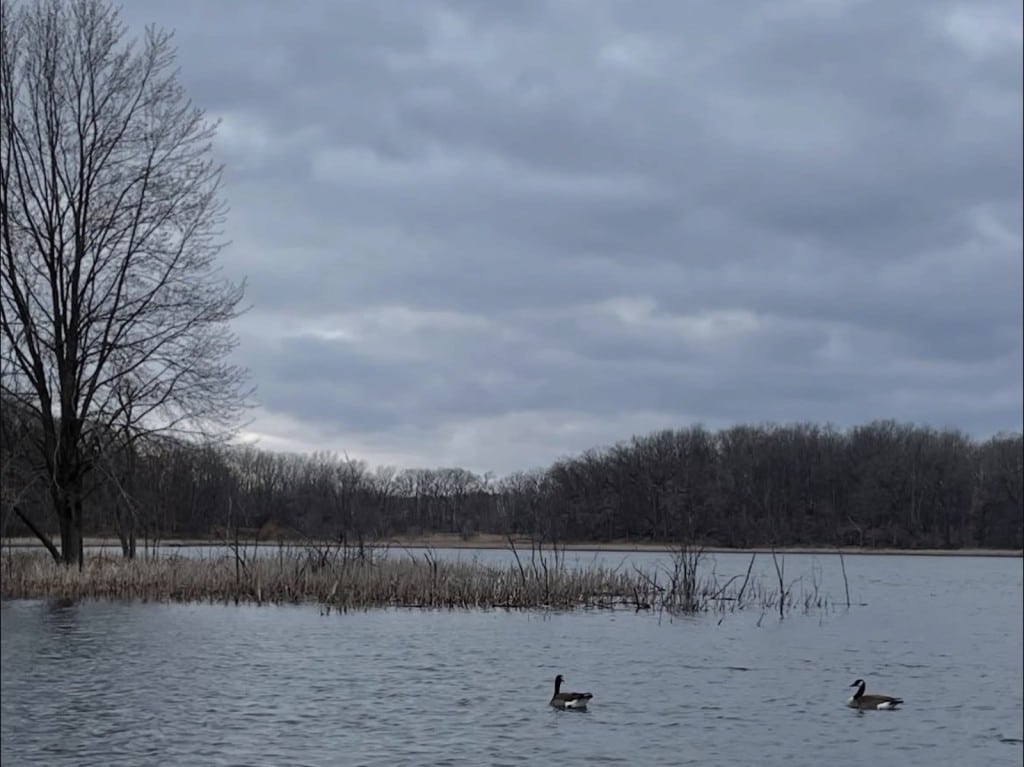
Photo: Finn Webster
Editor’s Note: Planet Z: Voices of Youth for a Sustainable Future is a Gen Z–created series sharing unfiltered perspectives on climate change — from eco-anxiety and grief to the urgency, creativity, and resolve shaping their generation. Consumers Energy provides support for this series.
KALAMAZOO, MI — The Canada goose, once endangered and now restored to stable numbers, has become a symbol of resilience. The geese also reflect something quieter: the strength of community, visible in their V-shaped formations, and the fleeting rhythms of nature shaped by migration.
That mix of resilience and uncertainty mirrors the story of Asylum Lake Preserve, where geese gather on open water just beyond the city’s edge. For decades, the preserve has endured shifting land use, development pressure, and debate — yet it remains one of Kalamazoo’s most vital natural spaces.
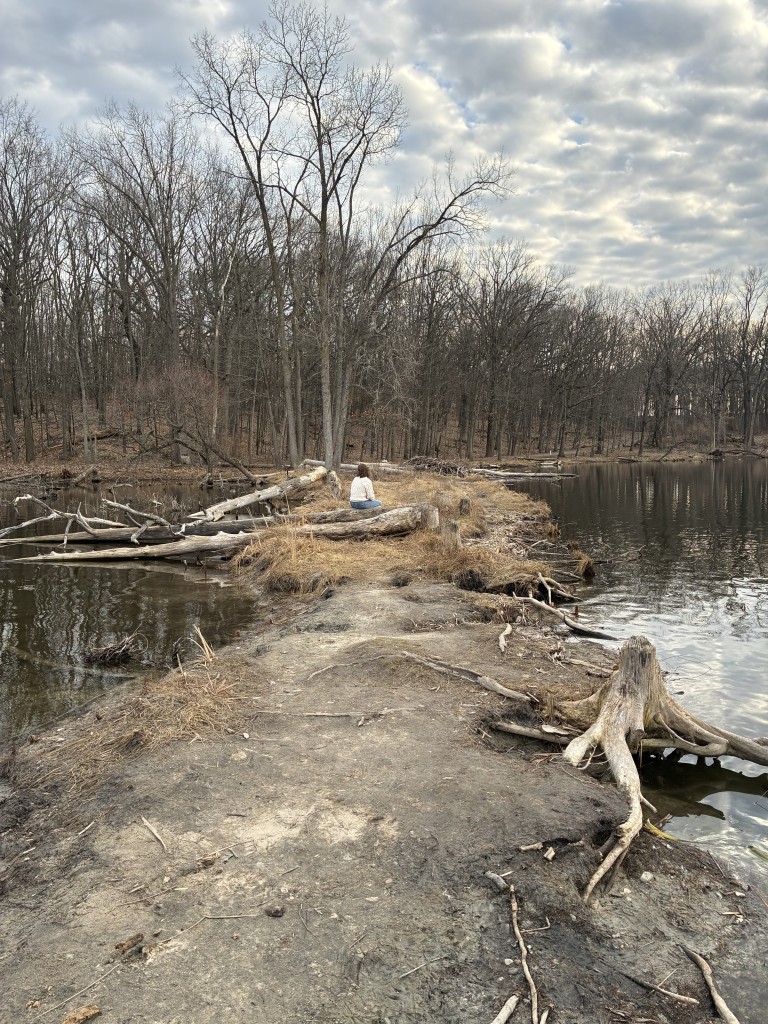
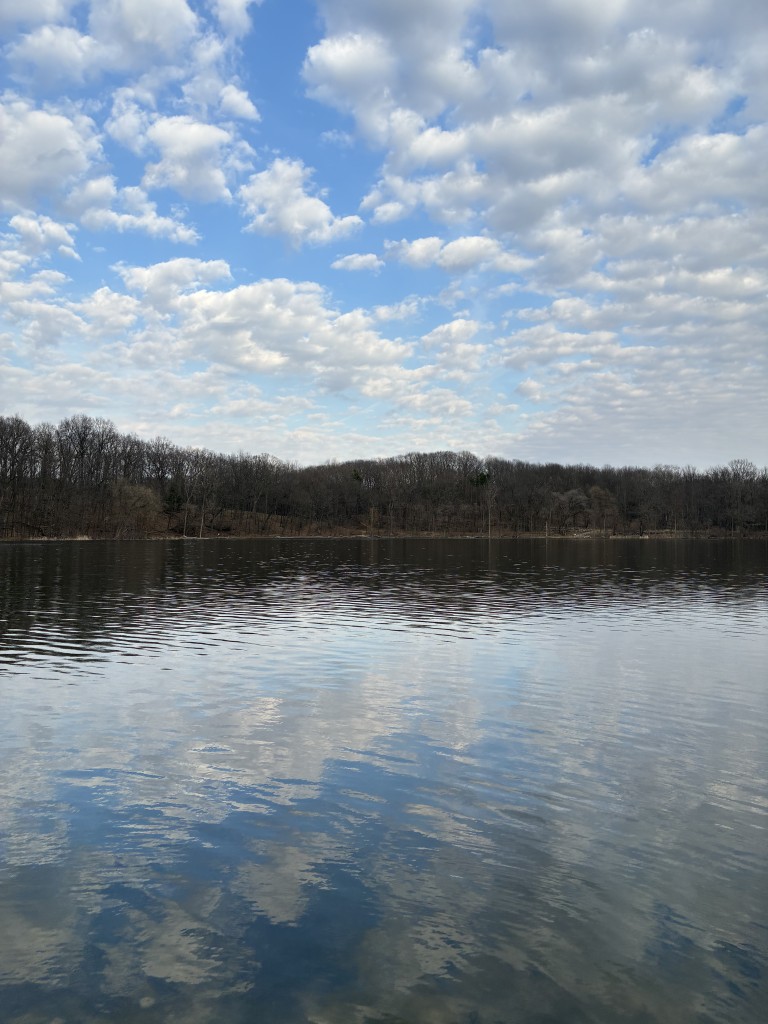
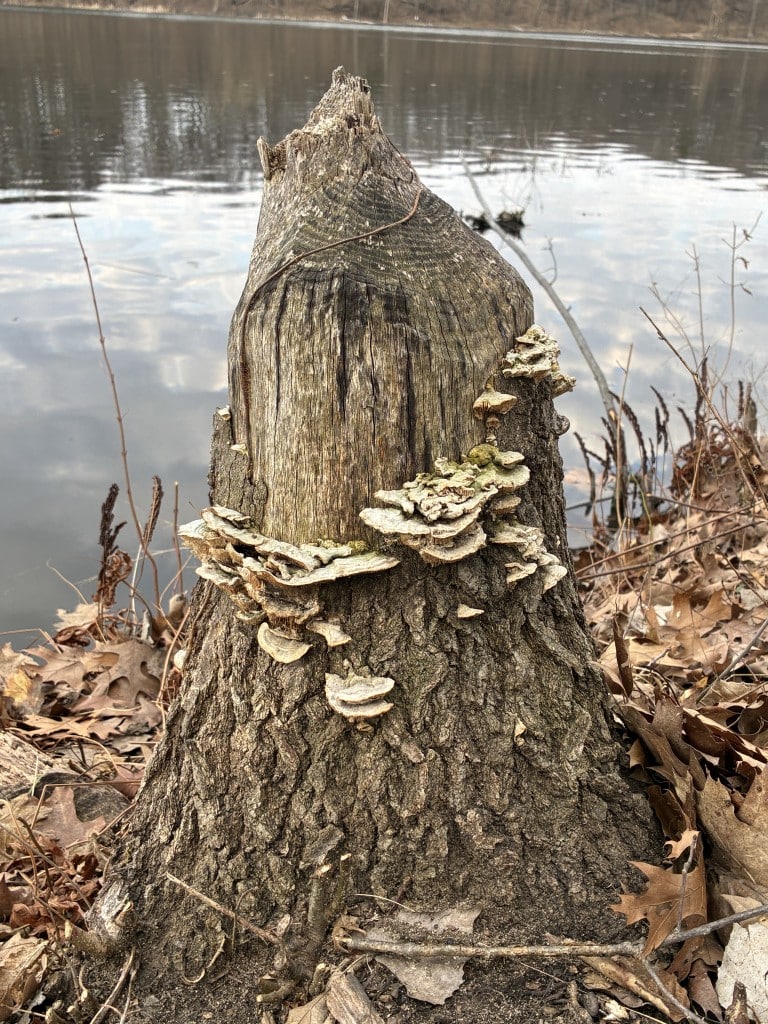
Mid-spring scenes at Asylum Lake Preserve. Photos: Finn Webster
Now, it faces a new transition.
On February 12, Western Michigan University announced plans to transfer stewardship of the 274-acre Asylum Lake Preserve to Kalamazoo County. The decision has raised questions among students and residents about transparency, long-term protection, and what the change will mean for a landscape many consider essential.

“I would say it’s positive,” says Liam Braun, a 21-year-old WMU political science student. “The (county) of Kalamazoo would be more suited to handling a property like that… They have more resources and are maybe better able to protect it from things like the car wash through legal processes.”
Still, Braun notes a potential downside: “If it’s out of Western’s hands, there might be less student involvement.”
For those who know the preserve well, the stakes feel personal.
As a WMU student who has lived in Kalamazoo for most of my life, I’ve found both solitude and connection at Asylum Lake. Walks through the woods offer a break from the city, while time spent beneath the white oaks or along the prairie brings a sense of clarity that’s hard to find elsewhere. Stress softens in the wind across the grasslands; the lake reflects something steadier.
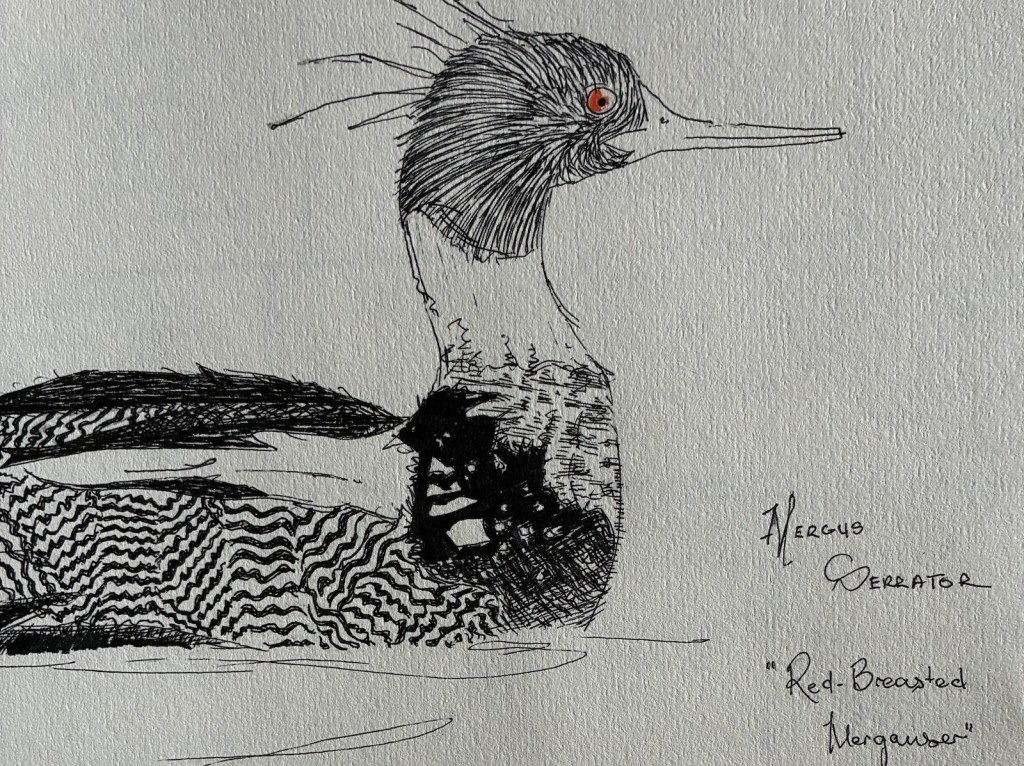
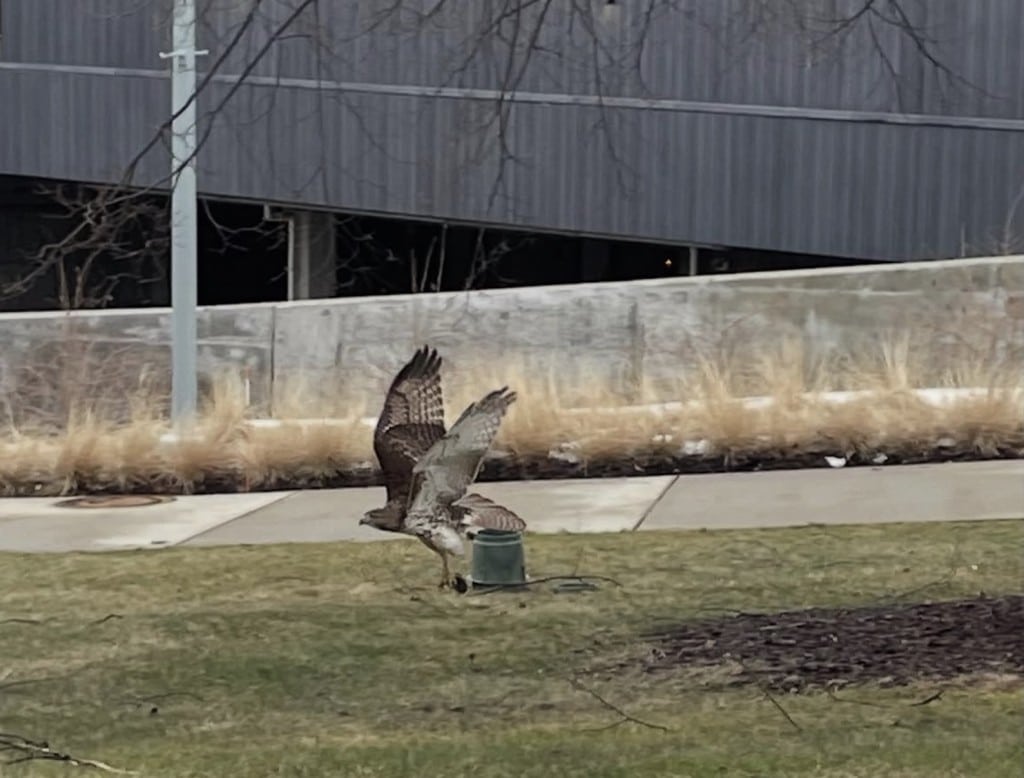
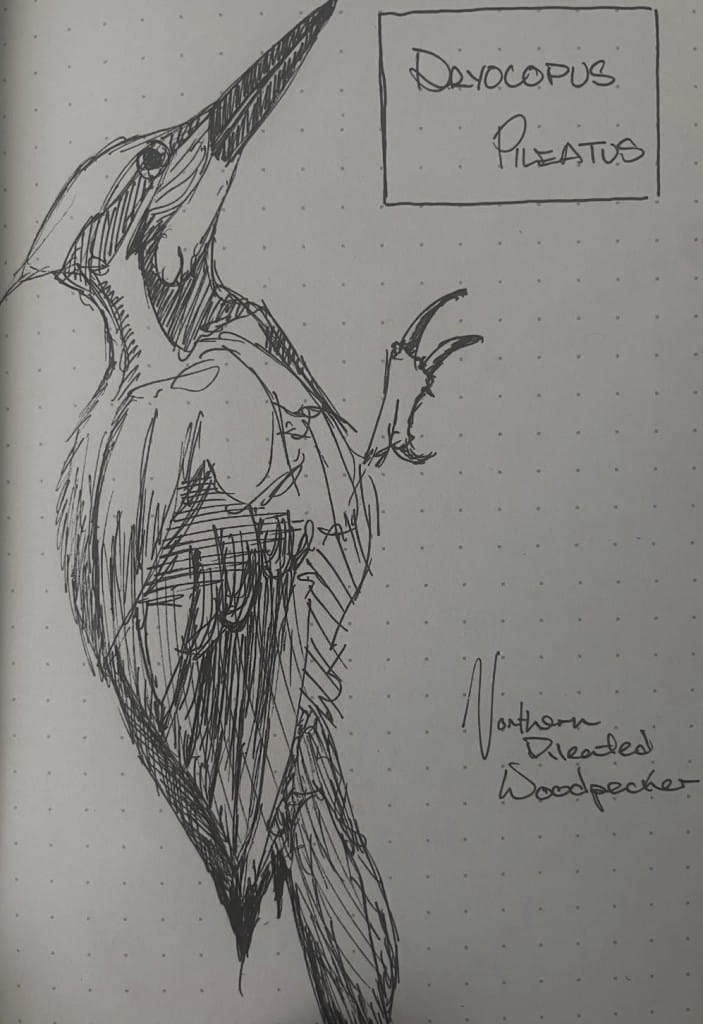
The preserve is also ecologically rare. As one of the region’s remaining oak savanna habitats, it supports a range of species increasingly pushed out by development. Downy woodpeckers tap at tree trunks, Cooper’s hawks glide above dense shrubs, and beavers reshape the shoreline. Deer move between the forest and the neighborhood, and in summer, fireflies flicker along the treeline. It is both a refuge and a reminder of what is disappearing across Southwest Michigan.
That is why uncertainty surrounding its future has drawn concern.
Even before the stewardship announcement, Asylum Lake had been at the center of repeated development proposals. Efforts to rezone nearby land for commercial use have sparked some of Kalamazoo’s largest public meetings, with residents and students pushing back against projects they believe could threaten the preserve’s integrity. In a divided political moment, protection of the area has remained a rare point of consensus.

To better understand the transition, I spoke with Dr. Cybelle Shattuck, a professor at WMU and a member of the Asylum Lake Policy and Management Council.
“The Asylum Lake Preservation Association is a group of community members… and the county does not want to make them unhappy,” Shattuck says. “They want to maintain a good relationship and make sure that they all still have access to the preserve.”
She adds that public access is expected to remain unchanged: “Admission will be free… it will still be accessible to students both for passive recreation and for research projects.”
Shattuck also notes that faculty raised concerns about continued academic use. “We had concerns about ensuring that faculty and student research projects would still be allowed,” she says, pointing to a future system that would allow students and researchers to request access for projects.
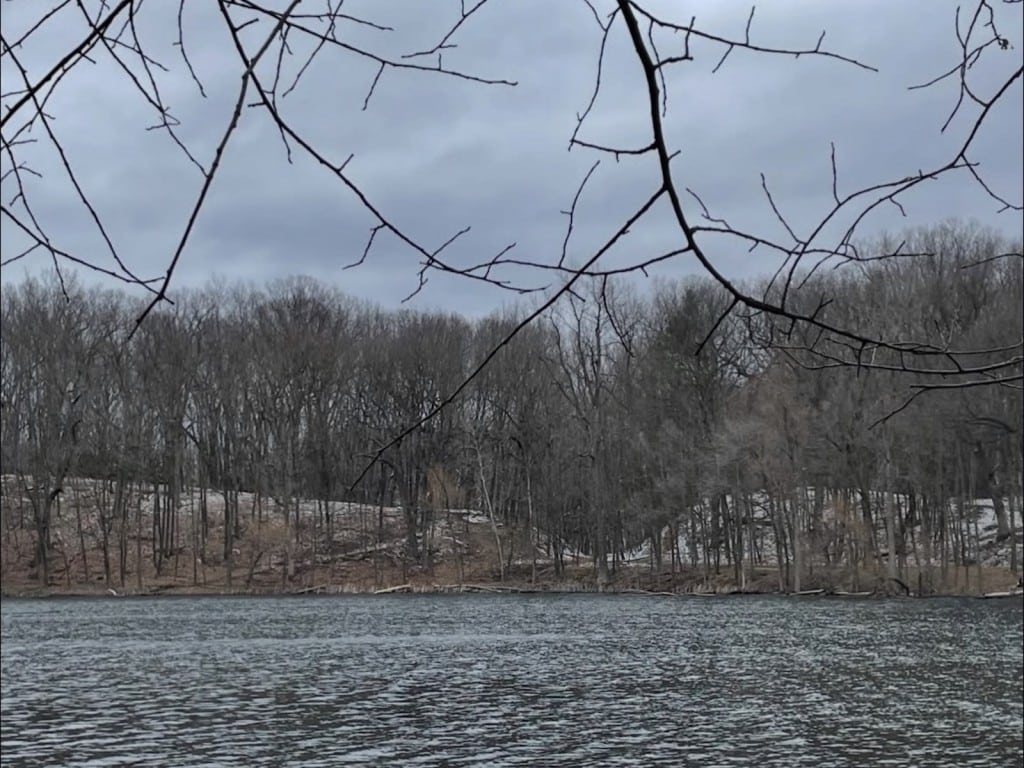
Still, many details have yet to be publicly disclosed, and that lack of clarity has left students uneasy.
“I wouldn’t say I’m against it,” says Andon Duckworth, a 20-year-old biology student. “But I’m worried and somewhat skeptical that it’ll still be protected, especially with all of the rezoning stuff.”
At the same time, he acknowledges the potential upside: “It could be beneficial if the (county) is able to commit more funding to it… If it stays as nice as it is, and still has some of the same opportunities.”
Other students connected the transition to broader frustrations with the university’s environmental decisions. English majors Lily Anderson and Lily Puckett describe a campus that has, in their view, prioritized modernization over green space and character.

“Western doesn’t honor their own history,” Anderson says. “I’m honestly glad that Asylum Lake isn’t going to be under Western’s stewardship anymore.”
“I’ve been on tours at Michigan State, and they had beautiful nature spaces and a beautiful garden on campus. Modernism doesn’t do it for me. Having the old buildings and structures feels more cultural,” says Lily Puckett.
“The modern buildings feel out of place on campus,” Anderson agrees. “I wish there were more green space. Everything is organized and neat, and there’s not much in terms of ‘wild nature’ now. You should obviously still have greenspace [like grass], but sometimes the appeal of the natural environment is when it’s not artificial”.
Their concerns reflect a larger pattern. In recent years, WMU has faced criticism for tree removal, neglected trails, and the loss of sustainability-focused spaces. These decisions have shaped how students interpret the university’s motivations, including speculation that the transfer aligns with a broader strategic plan to consolidate off-campus properties.
The “green spaces” being erected in places like the former Bernard Center or “Bronco Mall” merely offer concrete plats dotted with non-native plants and periodically separated by patches of manicured grass or shrubs. Various garden endeavors by student organizations have frequently been shot down. The former Gibbs House is now under apparent secretive occupation by Facilities Management, rather than the WMU Office for Sustainability. Is this another gesture toward the ongoing WMU “Strategic Plan” as a silent reduction of natural spaces?
At the same time, the county’s growing experience with land stewardship offers some reassurance. The Southwest Michigan Land Conservancy, which has partnered on nearby efforts like the Woollam Preserve, has helped establish conservation practices that prioritize habitat protection while maintaining public access. Its involvement signals a framework that many hope will carry over to Asylum Lake.
For my part, learning that access will likely remain unchanged brings some relief. As a student planning to conduct fieldwork at the preserve, I depend on the space not just for reflection, but for study. Yet the broader uncertainty remains: Why was this decision made, and why has so little been shared publicly?
As Kalamazoo grows and WMU evolves, the future of places like Asylum Lake carries added weight. These are not just recreational spaces; they are ecological anchors and communal ground.
For now, the geese still gather on the water. The trails remain open. The preserve continues to offer a quiet counterpoint to the city’s expansion.
But students and residents are asking for more than access. They are asking for transparency and for a clear commitment to protecting what remains.
Asylum Lake remains open and accessible. The geese still return to the water, and the preserve continues to offer a place to walk and disconnect, even as questions about its future remain.
Author

Related Articles

From cannabis to AI: Proposed Kalamazoo data center sparks questions about its future in Milwood
A proposal to convert a former Kalamazoo cannabis grow facility into an AI data center has sparked community debate over its potential impacts.

Planet Z Commentary: We are nature — it’s time we started acting like it
The greatest challenge of the 21st Century may be remembering our place in the natural world. In this commentary, Planet Z Project Editor Harper Horvath explores how our growing disconnection from nature threatens both environmental sustainability and human well-being.
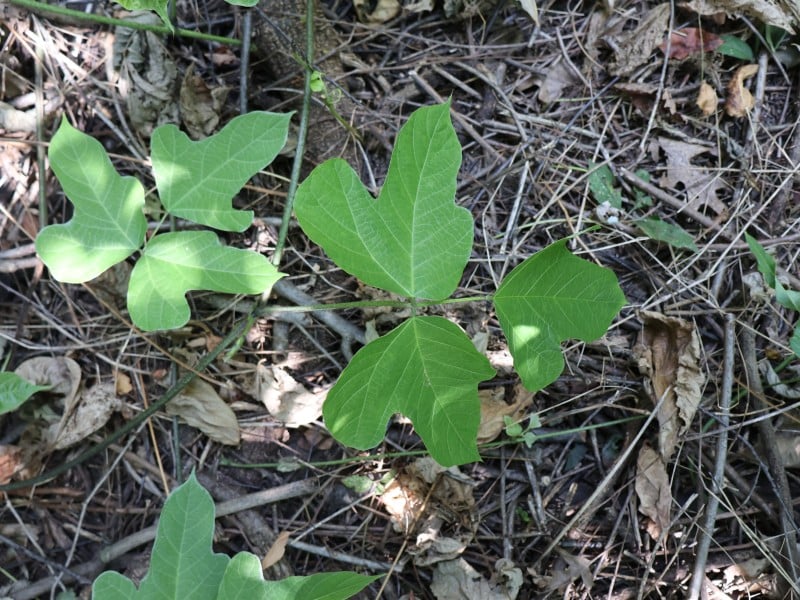
Kudzu and Japanese Knotweed: Two invasive plants, one ongoing fight
The Van Buren Conservation District is continuing efforts to eradicate Kudzu in Southwest Michigan while encouraging residents to help identify and report both Kudzu and Japanese Knotweed, two aggressive invasive plants that threaten native ecosystems and infrastructure.