Neighborhood nonprofit rehabs houses to help new homeowners and break the rent cycle
Edison Initiatives was formed to help others become homeowners and build wealth.
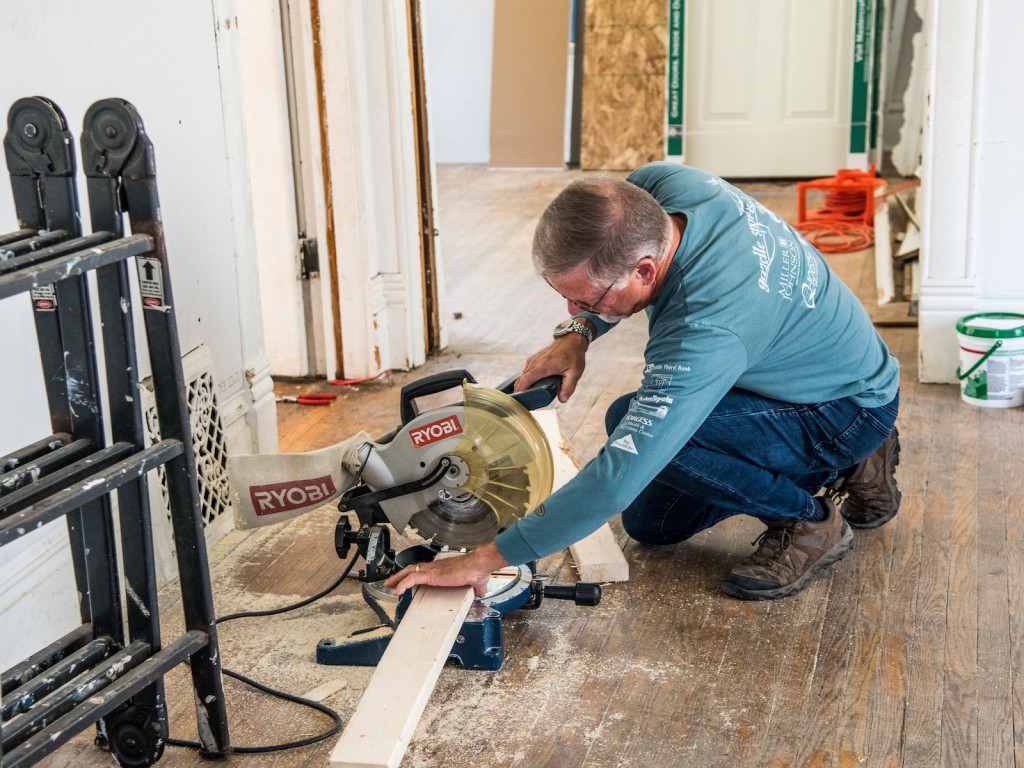
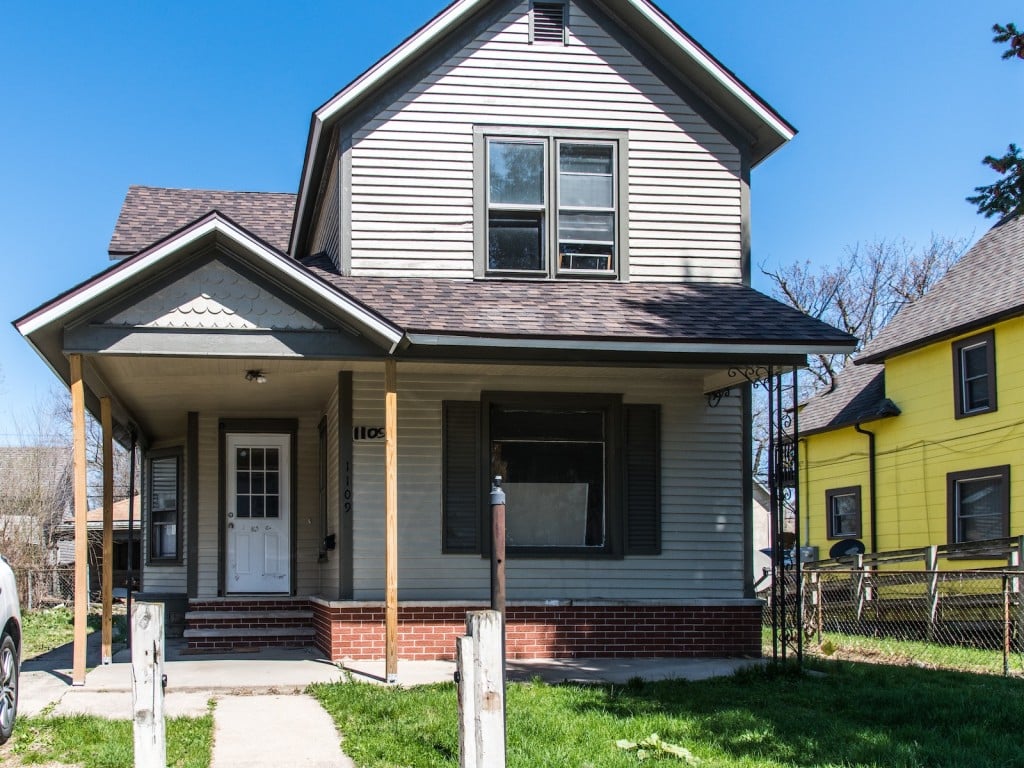
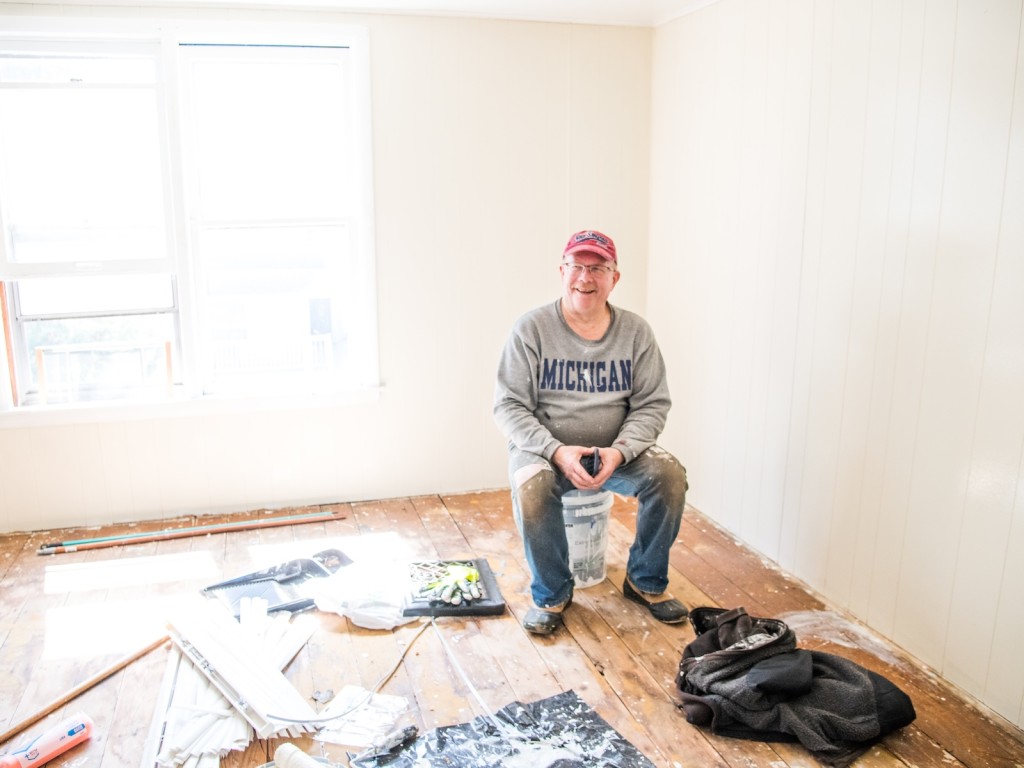
A group of volunteers was spending the first nice Saturday afternoon in April fixing up the inside of a Hays Park house that obviously needed some TLC.
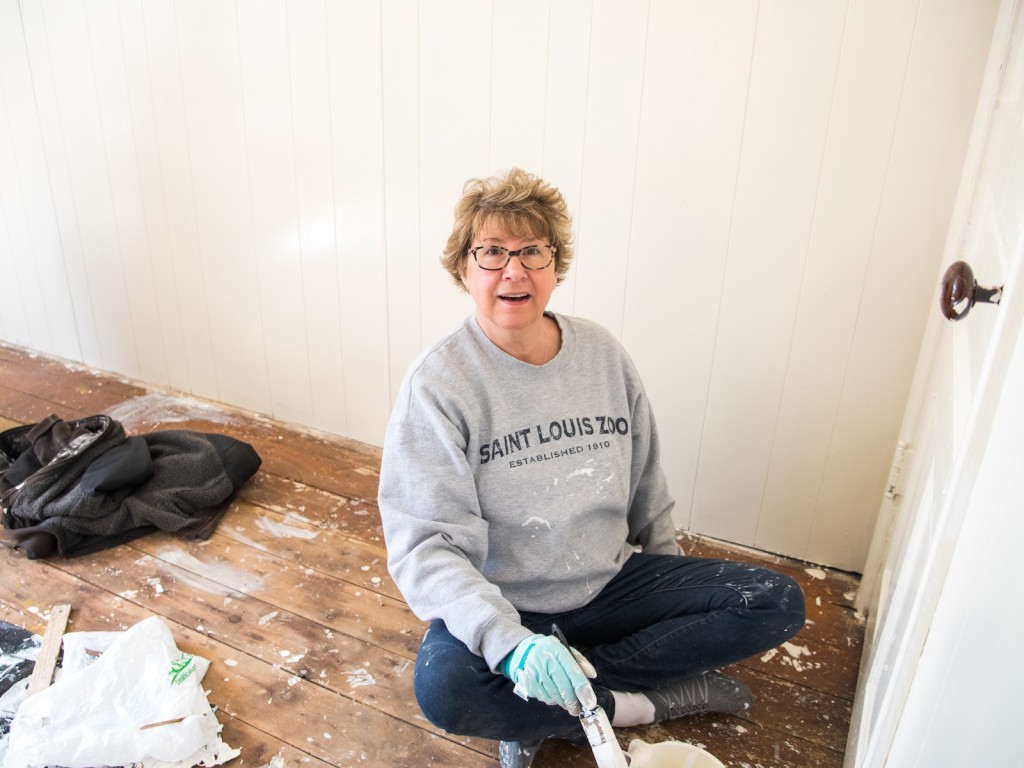
The reward is clear for Shari Davis, there with husband Dave, putting a fresh coat of paint on what could be an upstairs bedroom or playroom for kids.
She’d worked on the first house rehab for Edison Initiatives on Lay Boulevard and had been there to see a single mother and her son move in and make it their home.
“There’s nothing like it when they’ve never had a home,” she says. “She’d never had a home. And this little boy had never had a yard to run in.”
Edison Initiatives grew out of grassroots, faith-based organizing and is now a 501(c)(3). Team leader Keith Platte says the all-volunteer group spends their Saturdays rehabbing houses “because we care about others. We care about helping others become homeowners, become self-sufficient, break the rent cycle, and become wealth builders, which is all wrapped up in home ownership.
“And there’s a lot of people who do not have an opportunity to build wealth, generational wealth, for their families because they never have that opportunity.”
Clean slate
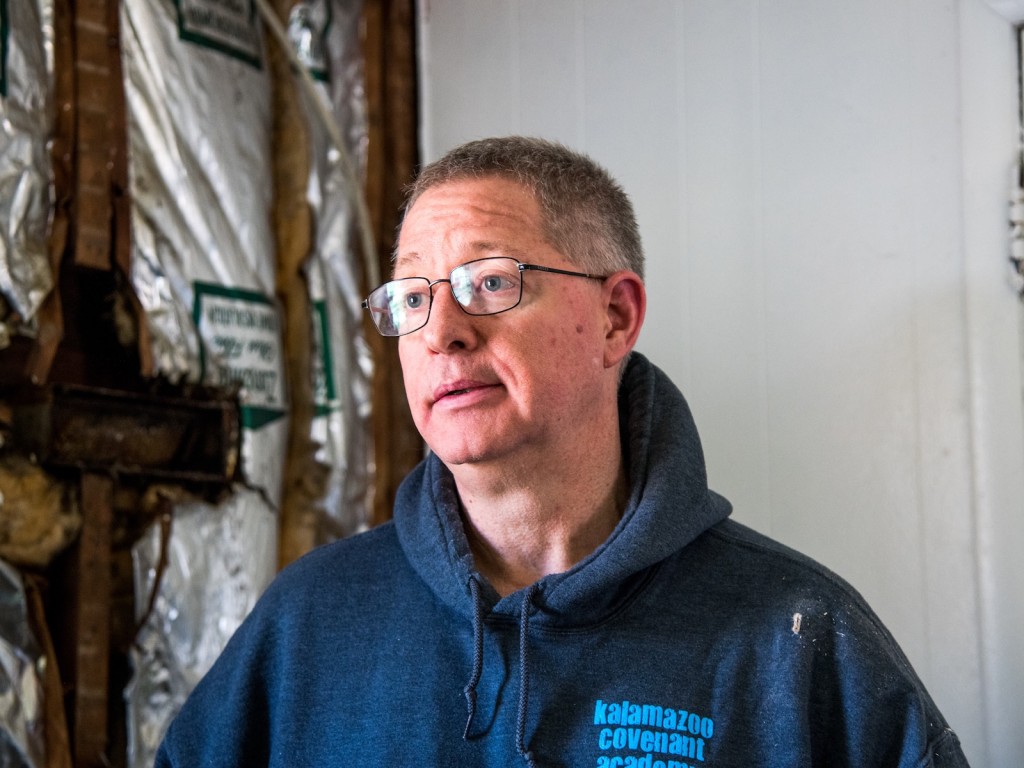
That afternoon, the downstairs was all electric saws and structural work. We went upstairs for the quiet of painting.
Many surfaces had a fresh coat of paint. Mila Herron also seemed to have a coat of paint on her clothes, hands, and hair, Platte points out.
It’s important her kids pitch in, Mila’s mom, Monica Herron, says, so “they see the work and dedication that we put in for another family.”
“Fresh, clean slate,” she says of that day’s work. “We want it to look nice. That’s what we want our house to look like when we move in somewhere new. “
Kalamazoo’s Vice Mayor and City Commissioner Drew Duncan also happened to be upstairs with a paint roller. This is his second Edison Initiative home he’s volunteered for. “This is a really important thing for me,” Duncan says.
He’s a first-generation homeowner. “I believe that housing is the foundation of every opportunity. Until you have stable housing, it’s really hard for you to do other things to stabilize your life,” Duncan says.
Once it’s rehabbed, Edison Initiative will find a family to fit the house, Platte says. It’ll likely be a fairly large family — “This house will be a four-bedroom, two and a half bath, with a dining room, with a kitchen, a living room, and a garage. It’ll help serve a good-sized family.”
‘We pray‘
Platte was Executive Director at Urban Alliance from 2012 to 2015, where he led the program His Kingdom Housing, which rehabbed houses and helped housing-insecure people become homeowners. “In fact, one of our board members for Edison Initiatives (Talanja Steele) is a homeowner who went through that program, and is currently a homeowner today on Washington Avenue because she bought her house through that program,” he says.
Edison Initiatives’ effort formed at then-UA’s Edison Chapel (now merged with Threads Church). Platte says, “We were in the middle of COVID. We were all sitting on a Zoom meeting, going, ‘What are we doing to change the world? What are we doing to help people? What are we doing to make lives better?’”
They thought they could improve Edison by starting with one house and finding one family who needed a home. Initially, “There’s just going to be a bunch of volunteers that do what we’re called to do and bless others.”
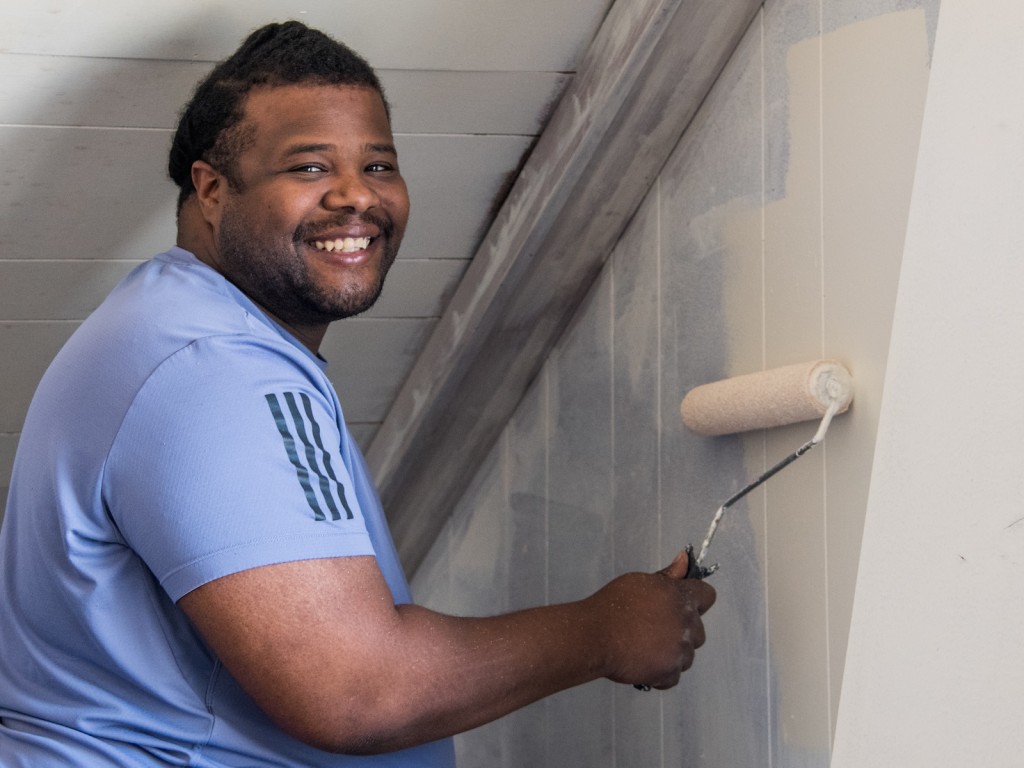
Kalamazoo Vice Mayor Drew Duncan has volunteered to work on two houses in the Edison Initiatives. “Until you have stable housing, it’s really hard for you to do other things to stabilize your life,” he says. Photo: Fran Dwight
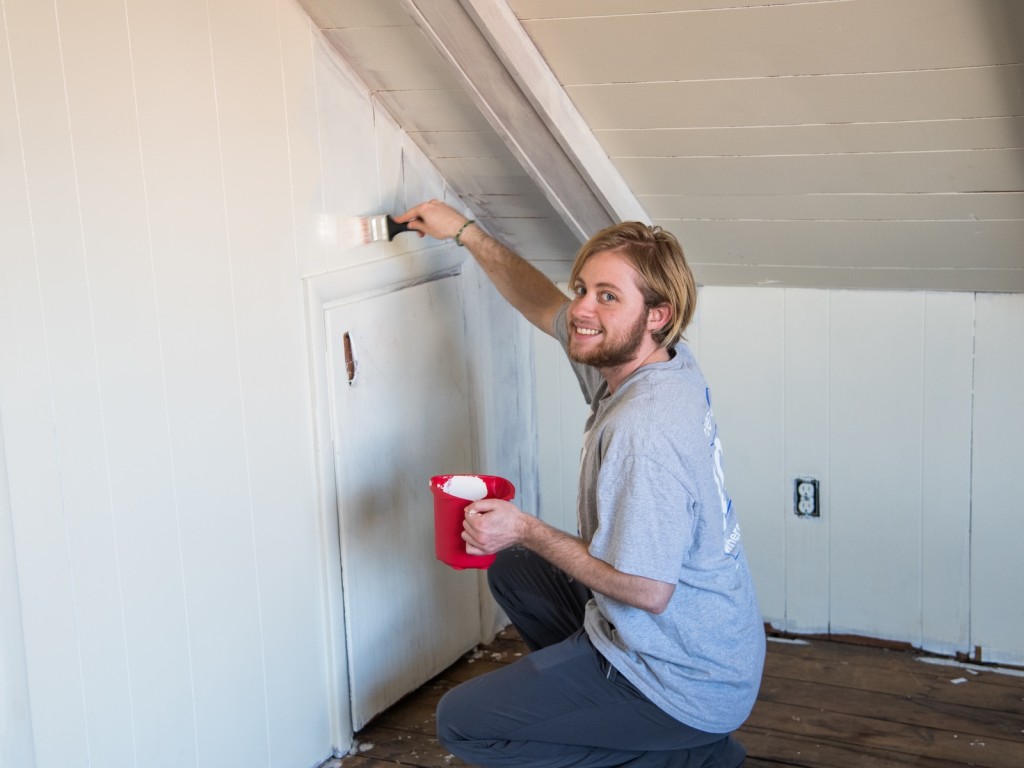
Chase Platte helps with his father’s work. “It was an empty house before. If we can put in the work to fix it up and give someone a place to live, then I want to help with that.” Photo: Fran Dwight
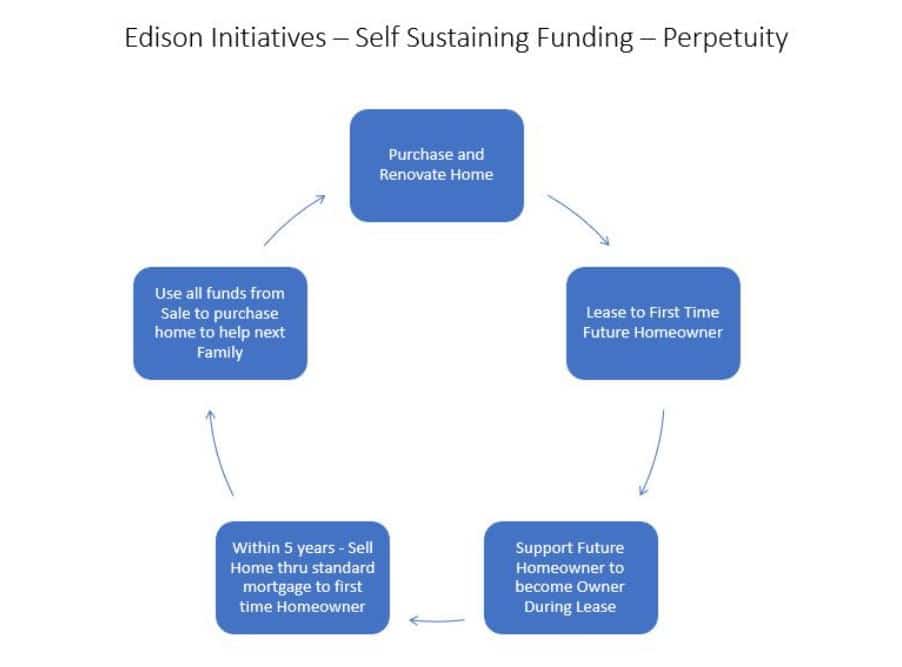
They developed what they plan to be a sustainable model: Edison Initiatives buys a house in Edison to rehab. They find candidates to fit the house. They lease the house to a family who must also attend homeownership classes at Kalamazoo Neighborhood Housing Services, and DIY classes at Community Homeworks.
In five years, the family will need to be ready to get a mortgage and buy the house from Edison Initiatives. All the money from the sale will go back into Edison Initiatives to buy and rehab more houses.
Some Edison houses need more work than others. How do they find the right houses to rehab?
“The Lord. We pray,” Platte says.
Theirs is “a cash program, so we have no loans,” he says. “We do it all based on whatever we have available in our budget because we won’t over-extend more than what we can spend. We’re all volunteers, so we’re just a bunch of people trying to help others.

“So, I don’t have a mortgage on this house. I bought it for $75,000. We’re fixing it up, and we’re selling it for $110,000, and we’ll probably have $45,000 into it. So it’s not like we’re making any money. We’re just trying to pass it on, but we don’t do debt. “
Their first potential homeowner has completed the required KNHS and Community Homeworks classes and is shopping for a mortgage, Platte says. Their second has moved into the house on Vine they completed last year, and is “working on the process, cleaning up debt, and getting ready to become homeowners.”
Now, the group just needs to sell that first house.
They have $45,000 in donations to finish the Hays house.
They plan on getting new windows, all new bathrooms, a laundry, HVAC, and all the rest to make the house a safe home.
Platte had hoped for donations for the windows from Calvary Bible Church, but learned that weekend Calvary had already spent their home rehab funds — but Calvary did offer to help install windows.
Platte shows us the kitchen, which will have all used, but nice, cabinets, coming from “a very high-end house that was redoing their kitchen.”
Workers were sawing in the downstairs living area, making structural changes. Some professional contractors volunteer their time, and Platte says they pay professionals to do electrical, plumbing, and HVAC.
They get help networking with churches and receive material and financial donations. In February, Edison Initiatives asked the City for a $36,000 grant to rehab houses in Edison.
They work to cover all options to get the job done. But what if they run out of funds before this house is ready?
“That’s when we pray. And sure, we actually ran out of funds the moment we bought this house. So, how much did we buy this house for? $75,000. How much did I have available? $75,000.”
But donations came in, he says. “Now, guess what I have in the bank? I have $45,000 in the bank to finish this house. Why? Because we prayed, the Lord provided, and the funds came in.”
The need for, and the landmines within, housing rehab
Beth McCann, KNHS Executive Director, welcomes Edison Initiatives’ efforts at rehab. “We certainly need more people doing that,” she says. “What do we have, 8,000 housing units that either need to be created or fixed before we even make a dent in the housing issue?”
KNHS has its own rehab program, which has completed 27 whole-home rehabs in the past five years. She says, “It’s definitely admirable work, but it is hard work, and it is expensive work many times, and it’s full of surprises.”
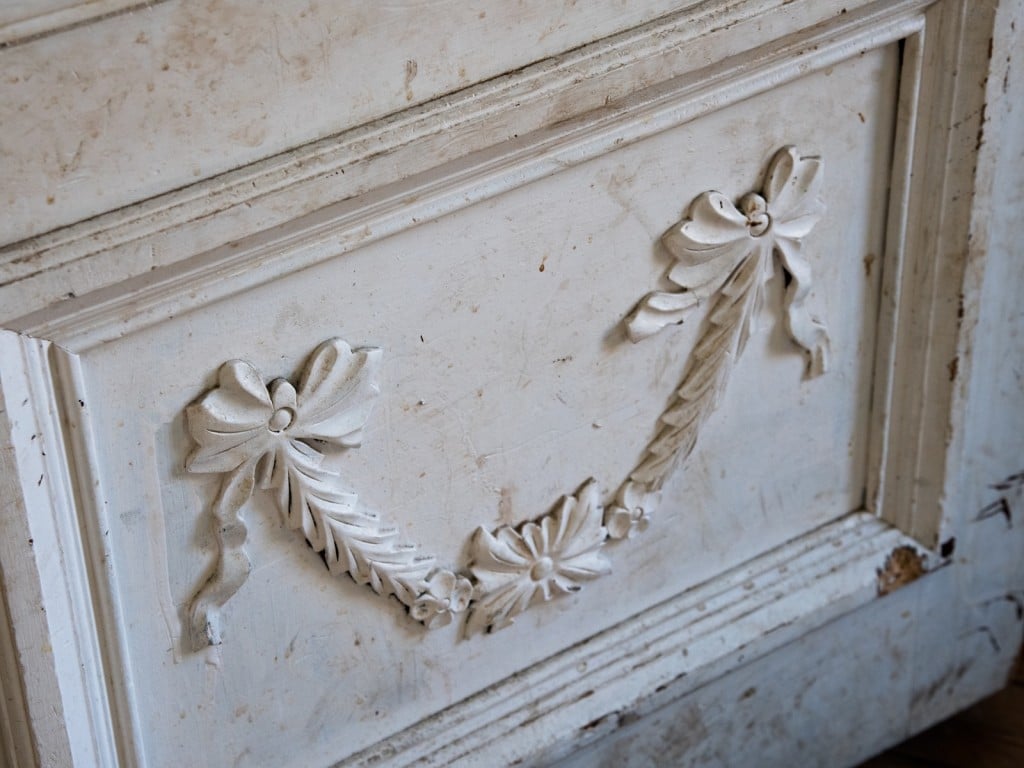
Rehabs can be “full of rabbit holes and landmines,” she warns. There can be hidden disasters-in-waiting, degraded plumbing, termites, lead paint, and asbestos, and dangerous electrical issues. “A lot of times, they can turn into really large projects when you don’t anticipate them. And we certainly have had that happen to us.”
McCann says, “At KNHS, we’ve trained a lot of contractors to work in the rehab arena with the homes we’ve done on the Northside. We are always looking to mentor people as well. We’d be happy to share our knowledge with (Edison Initiatives) and share our experiences and the lessons that we’ve learned along the way.”
“And absolutely,” McCann says, “we are happy to have anybody come into our home buyer education program.”
KNHS classes on homebuyer education and achieving financial readiness are requirements for Edison Initiatives’ potential homeowners. McCann also says she’s glad EI is requiring Community Homeworks classes in home maintenance and repair.
Such education is needed, Platte says, because homeownership is a long-term investment and key to an improved Edison Neighborhood.
“We’re interested in having people take ownership of their homes and take responsibility for them, and value their surroundings. That comes with homeownership. The rental rate in Edison is way too high, and the home ownership rate is way too low. So we’re trying to do something about that,” Platte says.
“Besides just helping an individual family,” he adds, we want to help a neighborhood.”
Author

Related Articles
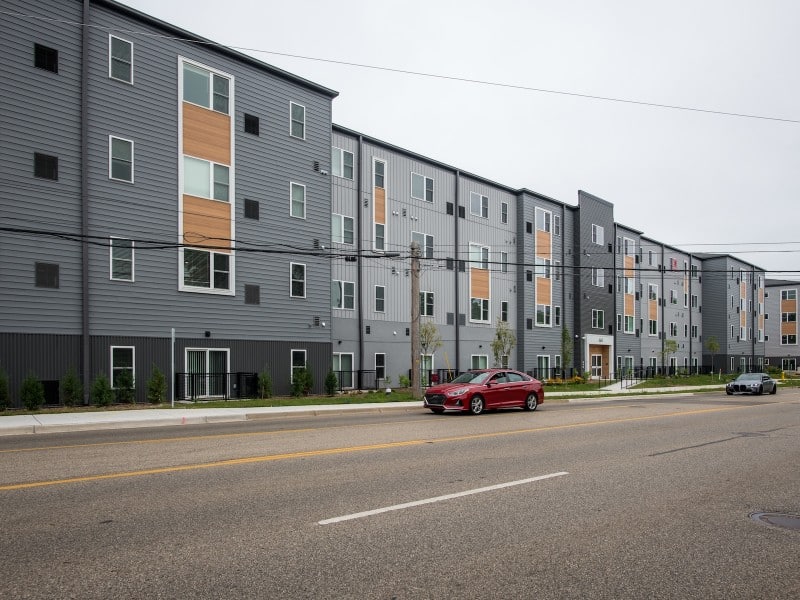
River’s Edge Apartments expected to help relieve demand for housing
This is one of the largest projects to date that Kalamazoo County has contributed to.
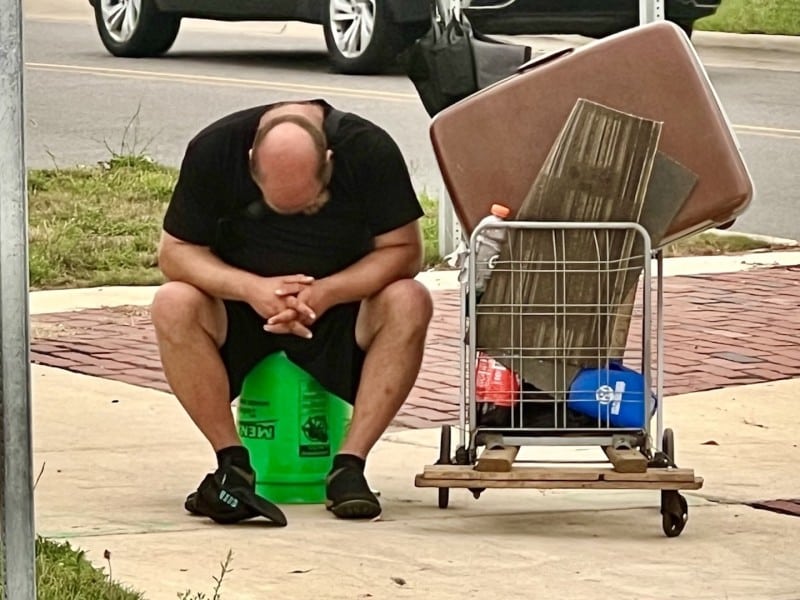
Homeless encampment forces Kalamazoo to once again ask: What can be done?
Citing concerns for sanitation and safety the City took action on Thursday, ordering the removal of all the tents and for sidewalks to be cleared.
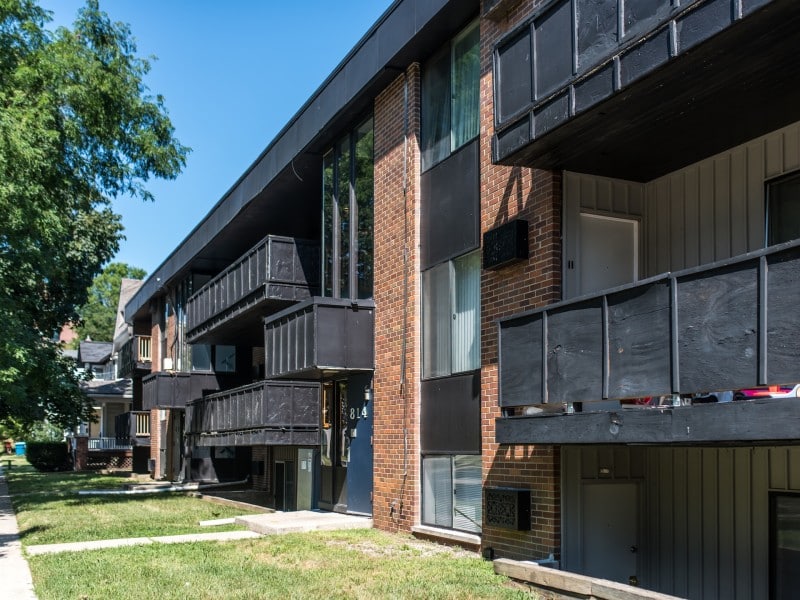
With a new apartment building in the Vine Neighborhood, Open Doors now serves about 100 households
Vine is a perfect neighborhood for Open Doors, with local shopping, culture, and services nearby.