Murder Mystery Dinner helps solve the need for senior day care services in Battle Creek
Join the Marian E. Burch Adult Day Care & Rehabilitation Center for a thrilling night of mystery and masquerade, all to support compassionate care and vital services for aging adults and their caregivers in Calhoun County.
Editor’s note: This story is part of Southwest Michigan Second Wave’s On the Ground Battle Creek series.
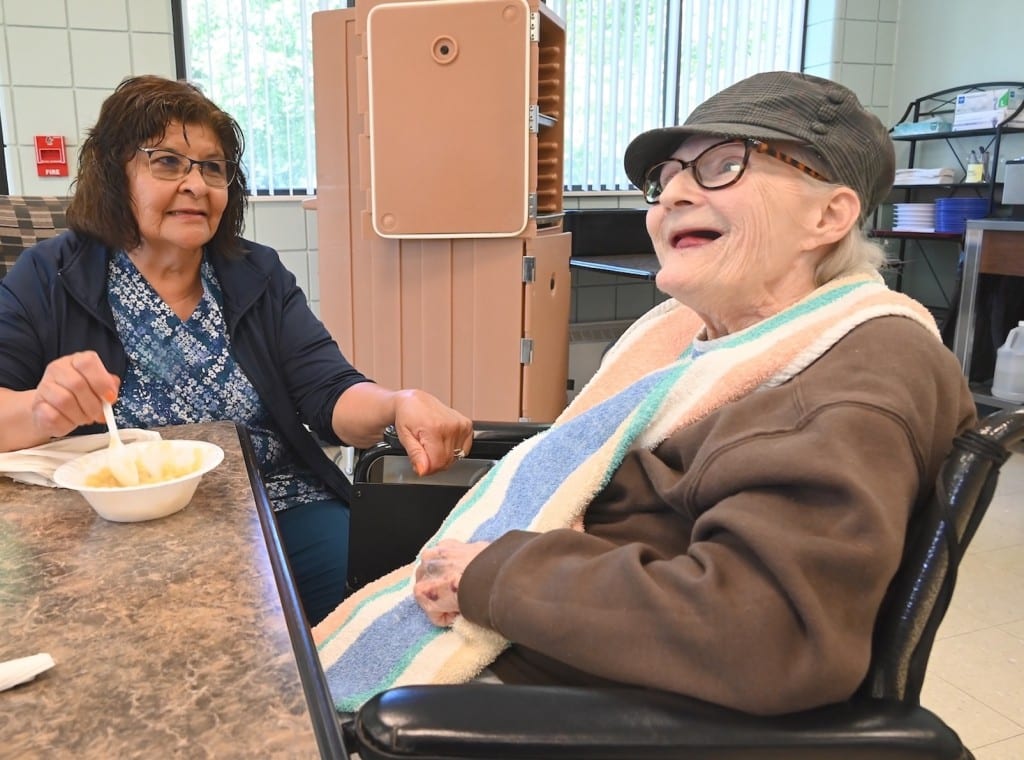
BATTLE CREEK, MI — Preserving the dignity and quality of life for older adults in Calhoun County is the focus of care provided at the Marian E. Burch Adult Day Care & Rehabilitation Center, says Alicia Davis, Director of the facility.
On September 21, the Center plans to celebrate Adult Day Care Services Week, which culminates on September 27 with a Murder Mystery Dinner Theatre called “Midnight at the Masquerade”. The event begins at 5 p.m. at Squirrel Hollow Golf Course in Battle Creek. Tickets are $65 each and may be purchased through Eventbrite no later than September 12.
Proceeds from the fundraiser will benefit an Adult Day Care Scholarship Fund managed by the Center, Davis says.
“We offer scholarships for those who qualify,” she says. “If someone is paying out-of-pocket it costs $120 for a full day and $60 for a half day.”
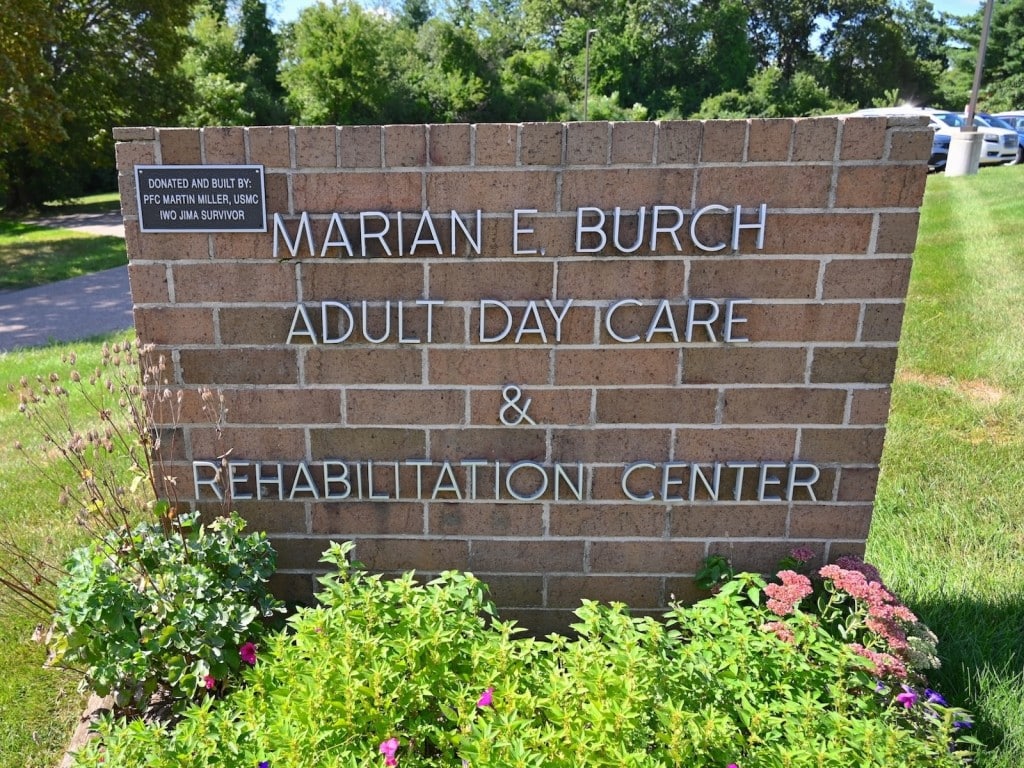
The Center currently provides services to about 42 participants each day and can accommodate up to 65. The majority are from Calhoun County, but they also have participants from neighboring counties, including Kalamazoo.
“Three-quarters of our clientele is receiving funding support through the scholarship or other supports,” Davis says.
Most people who visit adult day care facilities will spend four to 12 hours per day there, up to five days per week, according to an article in Senior Living. Families often use adult day care facilities as a respite care option, giving caregivers time to work, focus on their families, or relax. This break from caregiving can help caregivers avoid burnout.
“For many families, adult day care is the most affordable type of care,” according to the article. “With an estimated median daily rate of $103, adult day care is far cheaper than the equivalent for homemaker services ($213), in-home health aide care ($220), assisted living ($200), or residential nursing homes, which start at $314 for a semiprivate room and go up to $361 for a private room.”
The Calhoun County facility has contracts with Battle Creek’s Veterans Administration Medical Center and CareWell Services which provide federal and state respite dollars.
Davis says funding also comes from Kalamazoo County through its Milestone Senior Services program, the Calhoun County Senior Millage, Miles for Memories, and larger businesses, which have benefits for retirees that encompass services offered at the Center. While these funding streams aren’t in question, the levels of state and federal funding are.
In May, Michigan’s Department of Health and Human Services (MDHHS) released a report that highlighted the impact of $325 million in potential cuts to Medicaid on the 168,000 older adults who are covered by it. The impact would be felt most acutely by nursing homes and Home and Community-Based Services (HCBS) providers that care for the state’s most vulnerable seniors.
“Medicaid covers 168,000 seniors, ensuring they have access to the critical care, prescription drugs, and medical procedures they need to stay safe and healthy,” says a press release from Gov. Gretchen Whitmer’s office.
“Michigan’s nursing homes receive over $3 billion in Medicaid funding per year, and three in five nursing home residents are on Medicaid. Proposed cuts would gut at least $325 million in funding directly from Michigan nursing homes.”
“Home and Community Based Services (HCBS) providers — who support vulnerable seniors and persons with disabilities living in the community — receive more than $1.5 billion in Medicaid dollars each year,” according to the press release. “The services they provide range from personal care and counseling to elder abuse prevention, energy assistance, and transportation.”
Davis says she and the Center’s funders are closely monitoring these funding unknowns.
“We’re in tune with what’s happening with the federal budget. It’s definitely on our radar, and we know what’s been proposed,” she says. “We’re operating in the unknown right now.”
Never knowing what the day’s going to bring
The majority of participants at the Center are 65 plus. Their health issues include strokes, Parkinson’s Disease, dementia, and Alzheimer’s.
A team of registered nurses and certified nursing assistants (CNAs) is available at the facility to care for the medical and personal care needs of individual participants, Davis says.
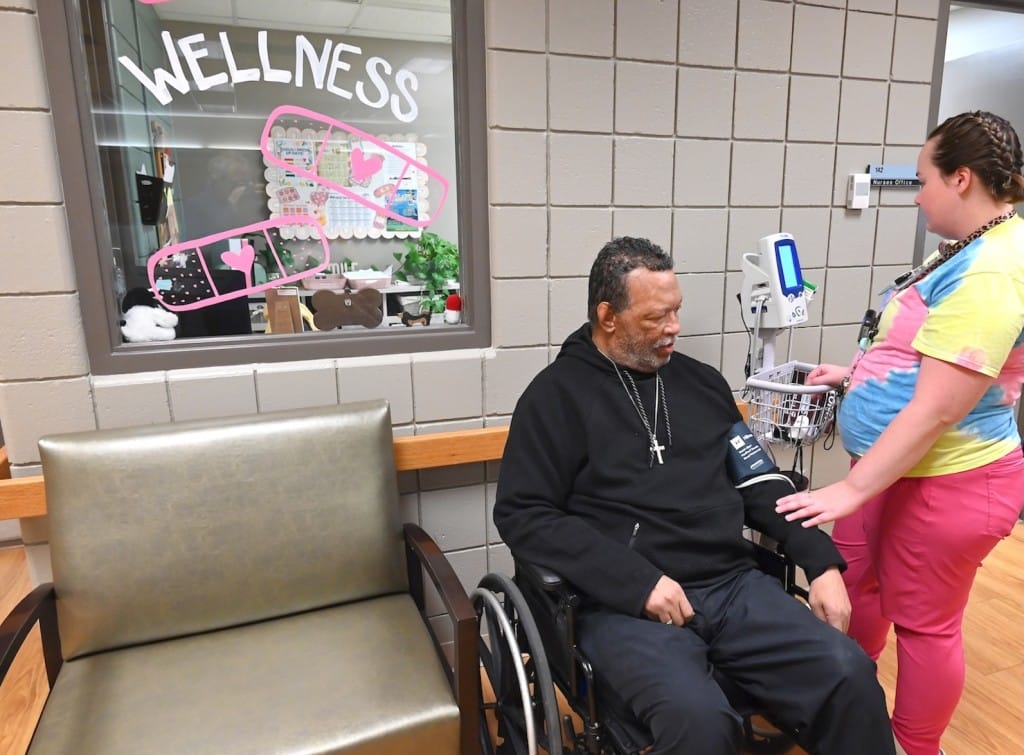
“Our CNAs are definitely busy throughout the day with personal care and daily living needs of our participants,” says Keely Goff, a Registered Nurse at the Center who leads the nursing care team. “We have a lot of clients with dementia, and that can come with many challenging behaviors. We just never know from day to day what kind of care someone’s going to need mentally.”
The CNA team dresses and undresses participants, assists with their bathing and toileting needs, takes care of any dietary needs, and handles behavioral needs.
“Their caregivers can rest assured that we’re able to provide medical care. We’re able to administer medications,” Goff says. “Each client has their own medical and care plan. I work closely with each of their primary care physicians.”
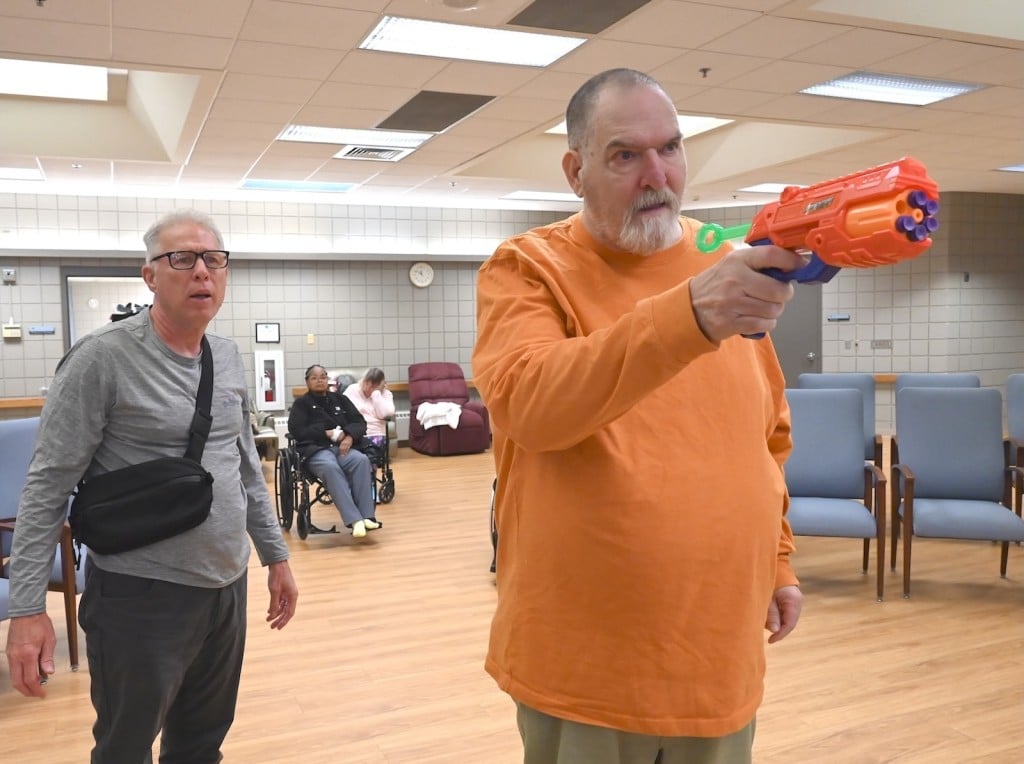
Breakfast, lunch, and an afternoon snack are provided as well as therapeutic activities, exercise, and mental activities. Davis says the Center also offers outings throughout Calhoun County providing transportation for this in addition to picking them up at their homes and delivering them back.

“Most of them don’t drive or are dependent on a loved one or caregiver,” she says. “The premise of our services is that we’re not only providing service for participants who may not be able to stay home safely by themselves, but we’re also providing respite for their caregiver.”
“Our program is similar to in-home care, but that can’t provide socialization, which our participants need. It gives their caregivers peace of mind knowing that they’re in a clean, safe environment for the day. The goal is to keep people in their homes for as long as they can. Our program allows them to do that.”
As average life expectancy continues to increase, more and more people are finding themselves taking on the role of caregiver for elderly relatives, says the American Association of Retired Persons (AARP).
There are more than 48 million adult family caregivers in the United States. In a 2023 study conducted by AARP titled “A Look at U.S. Caregivers’ Mental Health,” 1,001 adults 18 and older were surveyed.
Half of caregivers (50%) said caregiving increased their level of emotional stress, while more than one-third (37%) said it impacted their physical feelings of stress. Female caregivers experience more stress and anxiety than their male counterparts, and younger caregivers (under 35) have more emotional challenges than older caregivers, with higher levels of anxiety. A whopping 4 in 10 caregivers (39%) report they rarely or never feel relaxed.
“You don’t think you have time for your own medical needs and mental health support when you’re spending so much time taking care of others,” says Charlotte Yeh, chief medical officer for AARP, for a story about the study. “That is wrong.”
“Caregiver burnout is a real thing,” Davis says. “We have aging spouses looking after their spouses. We have a couple right now in their 90s. The wife has dementia, and her spouse needs respite time.”
Preserving a sense of dignity for both participants and their caregivers is key, she says.
“When people reach out to us, it’s usually at a time of crisis for them and the caregiver,” Davis says. “They are focused on the need for socialization and personal care.”
Author
Related Articles
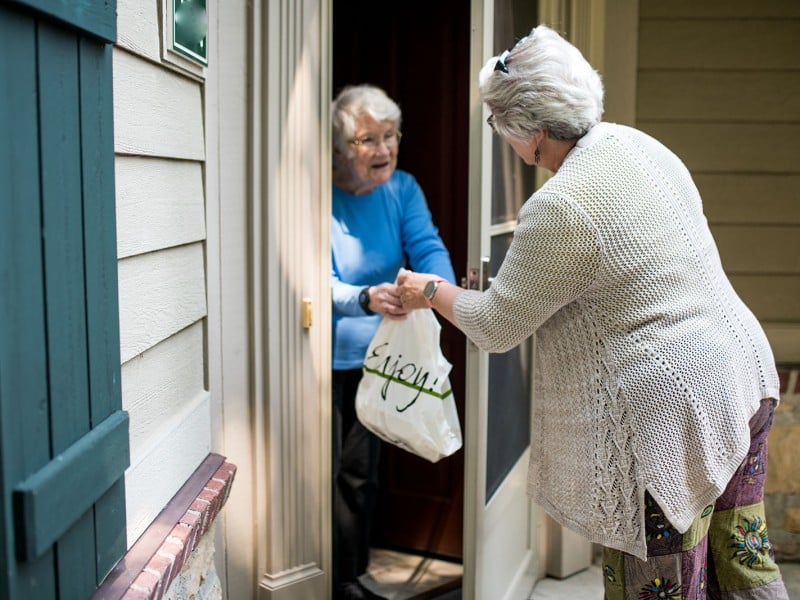
Do good, feel good — Milestone volunteer programs meet growing need across Southwest Michigan
Volunteers for Milestone Senior Services do more than deliver meals; they provide companionship, pet support, home repairs, and more. And most report their service has unexpected benefits
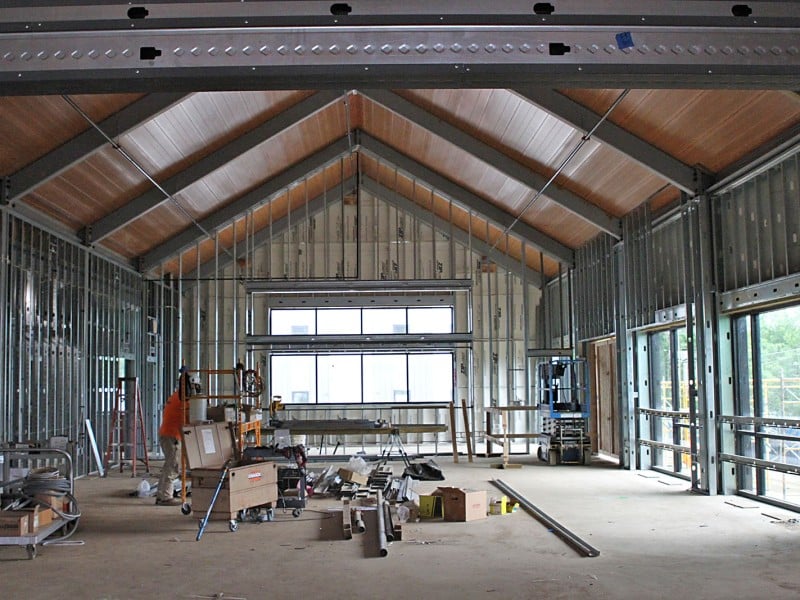
From one room to endless possibilities: Kalamazoo’s new Ecumenical Senior Center is taking shape
A new, expanded Ecumenical Senior Center is set to open next spring, providing more space, services, and opportunities for older adults while helping drive the ongoing revitalization of Kalamazoo’s Northside.
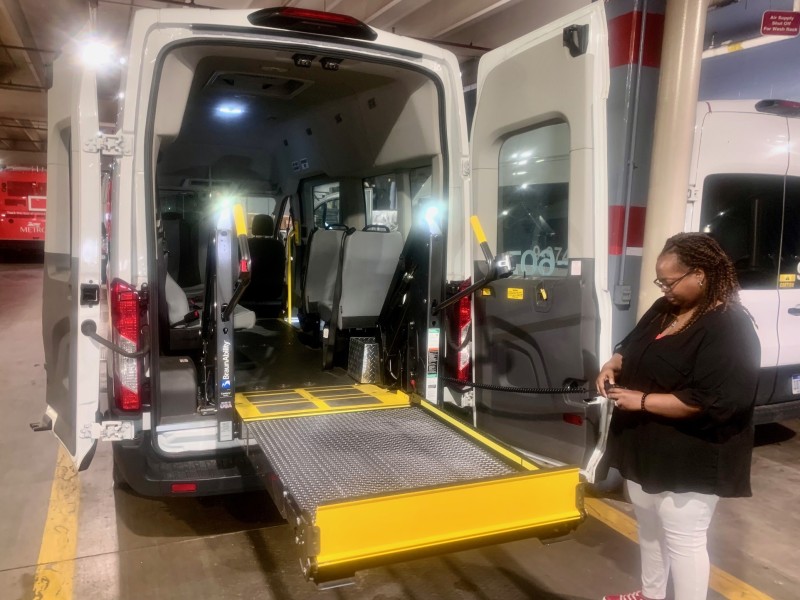
Combating isolation one ride at a time: Metro Share helps Kalamazoo seniors stay connected
As the transit millage nears, Metro Share highlights the need for senior transportation, providing free rides that help older adults access essential services and social activities throughout Kalamazoo County.